Biopsy-Tract Planning Before Definitive Tumor Surgery
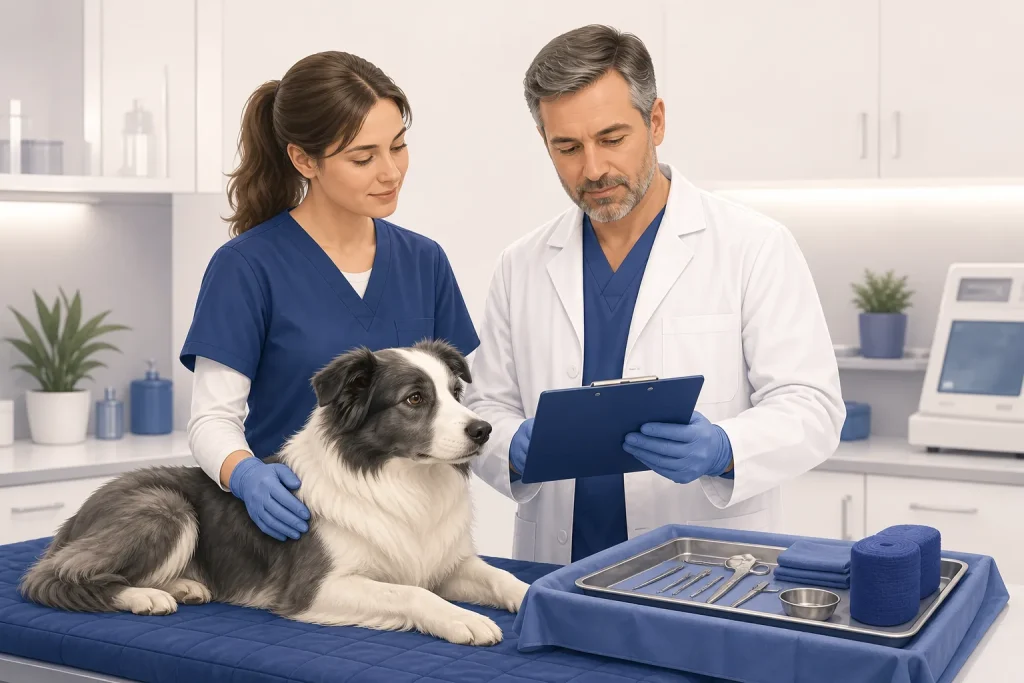
Quick summary
The route used to sample a suspicious mass can affect later surgery or radiation, so the diagnostic and definitive teams should plan it together when anatomy is complex.
What it is
Biopsy-tract planning chooses the safest route, sample method, depth, orientation, and closure while anticipating that the tract may need to be removed with a later tumor operation. The plan also protects uninvolved compartments, vessels, nerves, and reconstructive options.
How it is discussed in tumor care
A well-placed biopsy can obtain diagnosis while preserving future margins and function. A poorly placed incision or needle path may contaminate additional tissue planes, complicate reconstruction, or make a later definitive field larger.
Potential role
A well-defined procedural goal may be diagnosis, local control, restoration of function, prevention of a predictable complication, or comfort. The likely benefit must be weighed against anesthesia, hospitalization, recovery, anatomy, stage, comorbidities, and the family’s goals.
Typical use context
Discuss before the first incision whenever procedure choice, biopsy tract, margins, reconstruction, specialist equipment, staging, pathology handling, or postoperative support could affect later options. Build pain, nutrition, mobility, wound, and emergency plans before discharge.
Evidence snapshot
Oncologic surgery guidance treats diagnosis and first-operation planning as linked decisions. The importance and technique vary by suspected tumor, location, imaging, and whether cytology could answer the question less invasively.
Safety notes
Biopsy can cause pain, bleeding, infection, swelling, wound problems, anesthesia complications, or an unhelpful sample. Some masses are vascular, fragile, or near critical structures and require specialist planning.
Interactions / cautions
Do not change fasting, prescription medicines, anticoagulants, steroids, NSAIDs, supplements, wound care, activity, or feeding instructions without the procedural team. New bleeding, breathing difficulty, collapse, severe pain, repeated vomiting, wound opening, or loss of function needs prompt assessment.
Questions to ask your veterinarian
- If this is malignant, can the proposed biopsy tract be removed within the definitive surgical or radiation field?
- Would imaging, sampling, staging, or specialist referral change the procedure?
- What complications and functional changes are most relevant for this anatomy?
- What pathology, recovery, recheck, and emergency plan will follow?