Raw Food During Cancer Care: Protect the Dog and the Household From Added Risk
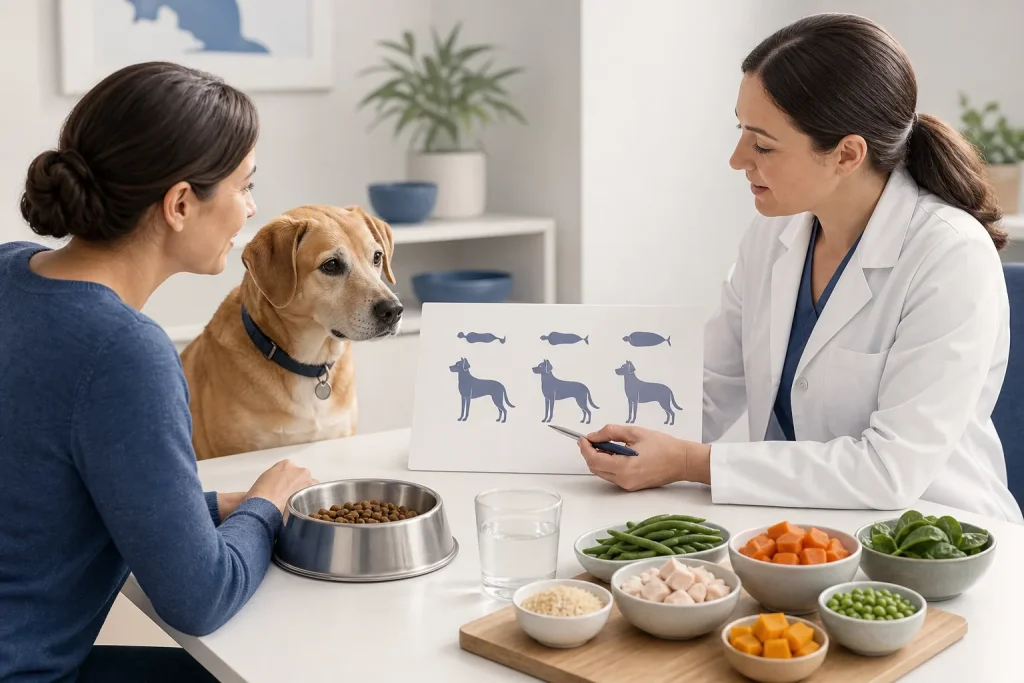
Cancer treatment can change infection risk, and raw meat, bones, eggs, or unpasteurized products can carry bacteria that affect the dog, contaminate bowls and surfaces, or spread through saliva and stool. Freezing, sourcing claims, or a healthy appearance cannot guarantee that a batch is pathogen-free.
Why this deserves a plan
AAHA oncology guidance advises against raw diets for oncology patients, and FDA materials describe patient and household hazards. The concern is not a claim that every exposed dog becomes ill. It is an avoidable risk without established evidence that raw feeding improves tumor outcome.
Prepare before the stressful moment
Photograph the complete label of every food, topper, treat, chew, and supplement. Identify who prepares meals, who is pregnant, very young, elderly, or immunocompromised in the home, and how bowls and waste are handled. Ask whether the current diet has a nutritional adequacy statement.
What to observe and record
If changing food, request a gradual, patient-specific transition unless urgency or the veterinarian dictates otherwise. Record actual intake, stool, vomiting, weight, and muscle condition. Use clean utensils and surfaces, wash hands, store food safely, and follow recall or lot information for commercial products.
When to call or escalate
Vomiting, diarrhea, blood in stool, fever concern, marked weakness, dehydration, or illness in a vulnerable household member deserves prompt professional advice. A neutropenic or systemically ill dog may need earlier veterinary assessment. Keep food packaging and lot details if illness is suspected.
What not to improvise
Do not assume raw is more natural, immune boosting, or anticancer. Do not feed bones as dental or enrichment treatment during thrombocytopenia, oral disease, gastrointestinal risk, or after surgery. Avoid replacing a complete diet with unbalanced meat and supplement mixtures.
Trace the contamination route through the home
Risk does not end when the meal reaches the bowl. Raw juices can move from packaging to hands, counters, utensils, refrigerator shelves, floors, toys, and waste. The dog may then spread organisms while licking people or surfaces or through stool, even without obvious illness. Map who handles food and cleanup and where vulnerable household members could encounter those routes.
If the care team recommends changing the diet, choose a complete, balanced alternative the dog can eat and the household can handle consistently. Keep raw products and their utensils away from human food while they remain in the home, clean preparation areas promptly, and prevent other pets from reaching leftovers or waste. Do not treat freezing, freeze-drying, a boutique label, or claims about sourcing as proof that handling precautions are unnecessary. Save labels and lot information for any commercial product so a recall or suspected foodborne illness can be traced, and tell both veterinary and human health professionals about relevant exposures.
Take these questions to the care team
- Is this dog immunocompromised now?
- Is the diet complete and balanced?
- What safer palatable alternatives exist?
- Who in the household is vulnerable?
- How should food hygiene and lot tracking work?
Medical disclaimer: This article is educational and cannot diagnose, treat, or determine prognosis for an individual dog. It does not replace an examination or an individualized plan from a licensed veterinarian.
Sources and further reading
- AAHA: Supportive and Symptomatic Care
- FDA: Raw Pet Food Risks
- WSAVA: Global Nutrition Guidelines
- FDA: Animal Food Labeling and Pet Food Claims
