Chemotherapy at Home: A Practical Waste and Tablet Safety Setup
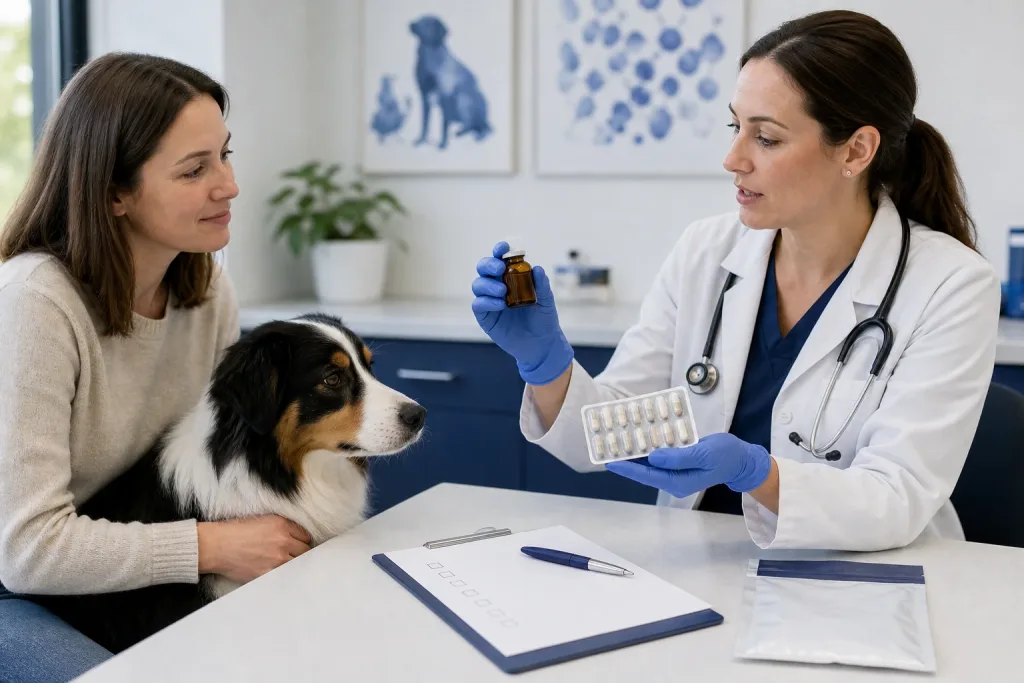
Educational medical disclaimer: This guide does not replace the written handling instructions for a specific chemotherapy drug. Requirements vary by medicine, formulation, patient, and clinic; confirm every step with the prescribing veterinary team.
Some antineoplastic medicines can expose people or other animals through direct contact with a tablet, contaminated material, vomit, urine, feces, or other body fluids. The goal of home precautions is not to make the dog untouchable. It is to create a simple, repeatable system that reduces avoidable contact while preserving normal companionship.
Get drug-specific instructions before the first dose
Ask the oncology team which medicine is considered hazardous, who should administer it, what personal protective equipment is recommended, how long waste precautions apply after each dose, and what to do after a spill, vomited dose, missed dose, or accidental exposure. Do not borrow a fixed time window from another dog’s protocol. AAHA chemotherapy guidance notes that excreted drug or metabolites can create exposure risk, but the relevant period and precautions must come from the treatment team.
Clarify whether the tablet or capsule must remain intact. Unless the pharmacy or prescriber explicitly directs otherwise, do not crush, split, dissolve, or open it. Altering a dosage form can release powder, change exposure, or make the delivered amount uncertain. If the dog cannot swallow it reliably, call for another plan rather than hiding a damaged drug in food.
Create one controlled medication station
- Store the medicine in its original child-resistant, labeled container as directed.
- Keep it separate from human medicines, food, treats, and ordinary pet supplies.
- Place disposable gloves and any clinic-recommended spill materials nearby but out of reach.
- Use a washable, uncluttered surface away from food preparation.
- Post the oncology clinic and emergency numbers with the drug name and strength.
Children, pregnant people, people trying to conceive, and anyone who is breastfeeding or immunocompromised should discuss participation with their own clinician and the veterinary team. A household should designate an informed adult handler rather than assuming every family member can perform the task safely.
Administer without improvising
Read the label each time. Verify the dog, drug, planned amount, and date before opening the container. Follow the instructed glove and handwashing procedure. Avoid touching the medicine with bare hands and keep other pets away during administration. Record that the dose was actually swallowed. If it is dropped, partially chewed, spit out, or vomited, isolate the area and call the veterinary team; do not automatically give another dose.
Never use the same cutting board, utensil, or pill crusher for a hazardous drug and household food. Do not place loose doses into a shared pill organizer unless the oncology pharmacy specifically approves the method and handling.
Plan for urine, stool, vomit, and laundry
Follow the clinic’s specified precaution period. During that time, wear recommended gloves for cleanup, prevent children and other animals from contacting the area, and use the disposal method the clinic provides. Outdoors, choose a low-traffic elimination area when practical and pick up stool promptly according to instructions. Indoors, block access until cleanup is complete. Wash hands after glove removal.
Contaminated bedding or towels should be handled as directed, separated from ordinary items if the team advises, and washed using their instructions. Do not shake soiled fabric. For a large spill, a leaking container, or contact with eyes or broken skin, follow the provided exposure plan and seek human medical advice when appropriate.
Disposal and leftovers
Do not flush unused medicine or place it loose in household trash unless the dispensing pharmacy specifically directs that method. Ask about return to the veterinary clinic, pharmacy, or an authorized take-back option. Keep expired or discontinued chemotherapy secured until it can be transferred safely.
Protect the dog too
Home handling is only one safety layer. Keep the monitoring schedule for examinations and laboratory work. Contact the team about fever, marked lethargy, repeated vomiting or diarrhea, refusal of food or water, breathing change, unusual bruising or bleeding, or any sign listed in the discharge instructions. Do not use human antidiarrheals, pain relievers, supplements, or dose changes without approval.
The most useful written plan fits on one page: exact handling steps, waste interval, spill procedure, missed-dose rule, emergency signs, and contact numbers. Review it whenever the prescription changes.
Sources and further reading
- AAHA oncology guidance on chemotherapy and hazardous-drug handling
- FDA: properly store medications to keep your pet safe
- FDA: questions to ask about medications for your pet
