Medicinal Mushroom Extracts: Product-Specific Oncology Evidence
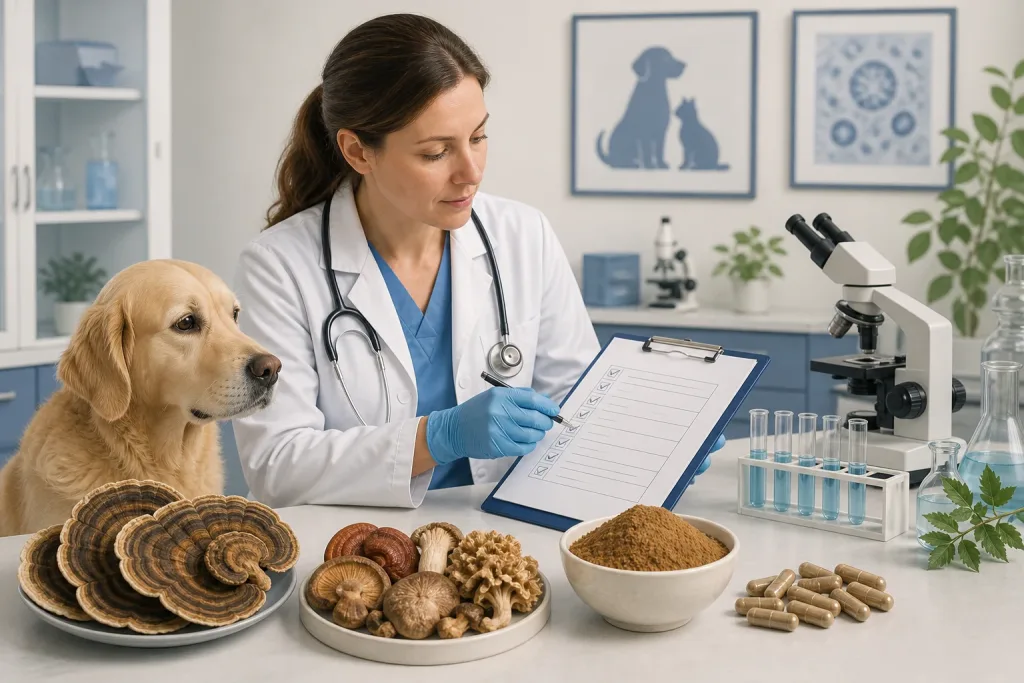
Quick summary
Mushroom products differ by species, extracted fraction, standardization, contaminants, and evidence; the word mushroom does not identify a tested intervention.
What it is
Commercial products may contain whole powder, mycelium, fruiting body, beta-glucans, polysaccharopeptides, blends, or undisclosed concentrations. Studies of one standardized fraction cannot validate another bottle.
How it is discussed in tumor care
Families may ask about immune or quality-of-life support during cancer care. A veterinarian can review the exact product, evidence, interactions, organ status, treatment timing, cost, and a measurable supportive goal.
Potential role
If the veterinary team agrees that a product or modality is reasonable, define a modest supportive goal, exact product or practitioner, review interval, adverse-effect plan, and stopping rule. It must not delay diagnosis, staging, surgery, prescribed symptom control, or other evidence-based care.
Typical use context
Bring the current label, complete ingredient list, lot and expiration details, proposed use, seller information, and every medicine and supplement to the veterinarian. Recheck the plan before anesthesia, surgery, chemotherapy, targeted therapy, radiation, or a major health change.
Evidence snapshot
A controlled canine splenic hemangiosarcoma study found that adding the studied polysaccharopeptide to doxorubicin did not improve survival, and single-agent use had important limitations. Earlier pilot findings should not be marketed without the larger follow-up context; evidence for other mushrooms and cancers remains limited.
Safety notes
Gastrointestinal effects, allergy, contamination, species misidentification, variable active content, liver effects, and interactions are possible. Immune-stimulating language is not a measurable clinical outcome and may conflict with some conditions or therapies.
Interactions / cautions
Natural does not mean interaction-free or quality-assured. Formulation, contamination, concentration, substitution, species toxicity, liver or kidney effects, bleeding, sedation, gastrointestinal effects, and regulatory status may be uncertain or product-specific.
Questions to ask your veterinarian
- Does evidence involve this exact standardized extract, tumor, treatment combination, and clinically meaningful outcome?
- What veterinary evidence applies to this species, product, diagnosis, and outcome?
- Could it affect anesthesia, clotting, organ monitoring, or prescribed treatment?
- What product-quality checks, adverse signs, review date, and stopping rule will we use?