Rehabilitation After Limb Amputation
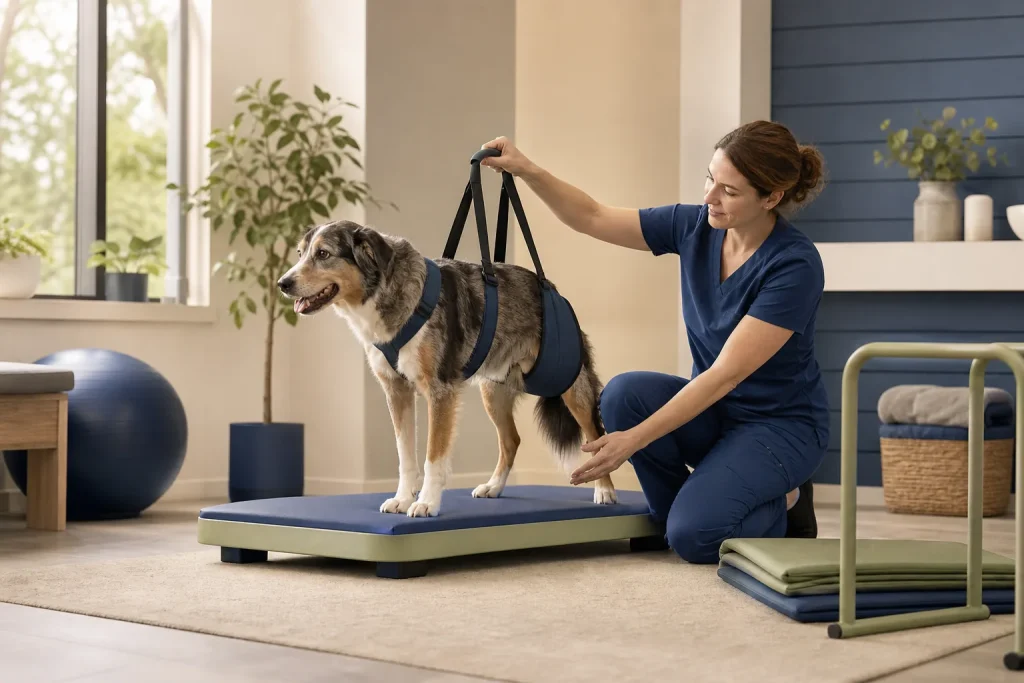
Quick summary
Post-amputation rehabilitation supports safe transfers, balance, remaining-limb loading, endurance, home access, and confidence after surgical clearance.
What it is
The plan begins with pain, incision, neurologic and orthopedic status, remaining-limb function, body condition, flooring, stairs, toileting, and caregiver handling. Progression may use controlled walking, balance and strength work, and mobility aids.
How it is discussed in tumor care
Targeted support can address falls, deconditioning, compensatory strain, fear, or caregiver difficulty and can preserve function during chemotherapy or other ongoing cancer care.
Potential role
A rehabilitation plan can support safe transfers, walking, toileting, strength, endurance, joint motion, home access, and valued activities. Goals and progression are individualized and coordinated with oncology, surgery, pain management, wound status, and bone integrity.
Typical use context
Medical clearance and a hands-on functional assessment should come before exercise or therapeutic modalities. The plan should name protected structures, measurable goals, caregiver technique, fatigue limits, home modifications, reassessment timing, and stop signals.
Evidence snapshot
Amputation is established and many animals adapt, while rehabilitation standards support individualized functional assessment. The amount of added benefit from a specific exercise program is less well quantified and patient factors remain decisive.
Safety notes
Falls, incision strain, pain, overload of remaining limbs, fatigue, skin injury from devices, and missed tumor or neurologic progression are concerns. Activity advances only after surgical and oncology clearance.
Interactions / cautions
Do not massage, heat, stretch, load, or exercise an undiagnosed mass, unstable or tumor-weakened bone, fresh incision, painful limb, or neurologically declining patient without clearance. New swelling, marked pain, breathing change, collapse, wound change, or loss of function requires reassessment.
Questions to ask your veterinarian
- Which remaining limb, joint, spine, surface, or transfer task creates the greatest immediate risk?
- Which tissue, bone, wound, device, or blood-count concern changes the plan?
- What measurable function is the first goal?
- What fatigue, pain, gait, swelling, or wound change means stop and call?