When Appetite Drops: Turn “Not Eating” Into a Useful Veterinary Update
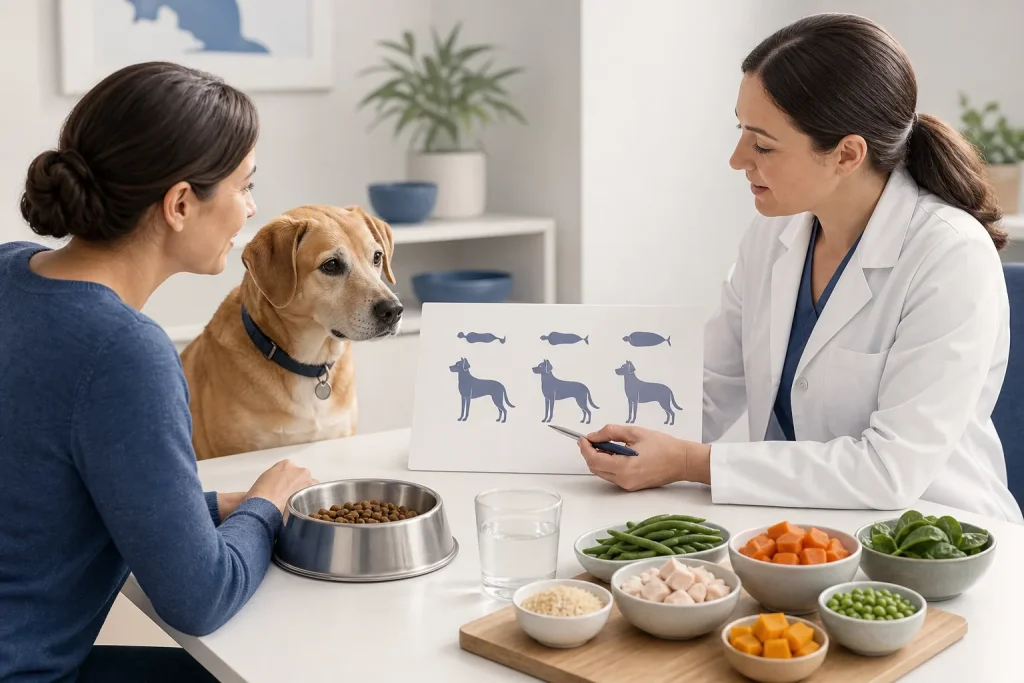
Reduced appetite during cancer care can come from the tumor, nausea, pain, constipation, oral disease, swallowing difficulty, fever, treatment effects, medication interactions, or another illness. The response should begin with cause and severity, not automatically with a richer food or appetite stimulant.
Why this deserves a plan
Care teams make better decisions when they know what the dog consumed rather than what was offered. A dog eating treats but refusing a complete diet is different from a dog unable to swallow water. Timing relative to treatment and the dog’s baseline pattern also helps separate a transient change from a worsening problem.
Prepare before the stressful moment
Choose one simple unit for each food and record the amount served and remaining. Keep photos of labels and a complete supplement list. Know the dog’s recent weight and whether collar, harness, spine, hips, or head muscles look different. Ask the clinic in advance when reduced intake becomes a same-day concern.
What to observe and record
Report the last normal meal, estimated intake since then, water, vomiting, nausea behavior, stool, urination, oral pain, abdominal discomfort, energy, and every medicine actually given. Mention food approach then retreat, chewing on one side, dropping food, coughing, regurgitation, or difficulty swallowing because those change the risk.
When to call or escalate
Inability to swallow, repeated vomiting, abdominal distension, marked weakness, dehydration, breathing change, collapse, or prolonged near-zero intake requires prompt veterinary assessment. Puppies, very small dogs, diabetic dogs, and dogs with metabolic disease may have different urgency; follow the treating team’s instructions.
What not to improvise
Do not force feed, suddenly create an unbalanced long-term diet, use raw meat for an immunocompromised dog, or add multiple supplements. Never change prescribed treatment because the dog skipped a meal unless the clinic has given a medication-specific rule. Call for clarification instead of guessing.
Report the eating sequence, not only the total
Describe what happens from bowl presentation to swallowing. A dog that never approaches food, one that sniffs and retreats, one that grasps food but drops it, and one that eats briefly before stopping present different clues. Note whether posture, bowl height, texture, smell, location, or the presence of other animals changes the attempt. This sequence can direct attention toward nausea, oral discomfort, swallowing difficulty, pain, or environmental stress.
Pair that description with a short intake timeline showing the usual diet, what was offered, what was actually consumed, and medicines given before or after the attempt. Include treats and hand-fed bites rather than counting them as incidental. The veterinary team can then judge whether the immediate priority is examination, symptom control, nutrition support, or revision of the treatment plan without relying on the vague phrase “barely ate.”
Take these questions to the care team
- How much did the dog actually eat?
- Is nausea, pain, swallowing, or constipation suspected?
- What is the first cause-based step?
- When should assisted feeding be discussed?
- Which diet and medicine changes are safe?
Medical disclaimer: This article is educational and cannot diagnose, treat, or determine prognosis for an individual dog. It does not replace an examination or an individualized plan from a licensed veterinarian.
Sources and further reading
- AAHA: Supportive and Symptomatic Care
- WSAVA: Global Nutrition Guidelines
- Merck Veterinary Manual: Drugs That Affect Appetite
- FDA: Medications for Your Pet—Questions for Your Vet
