Cancer-Related Fatigue: Use Activity Pacing Instead of “Push Through”
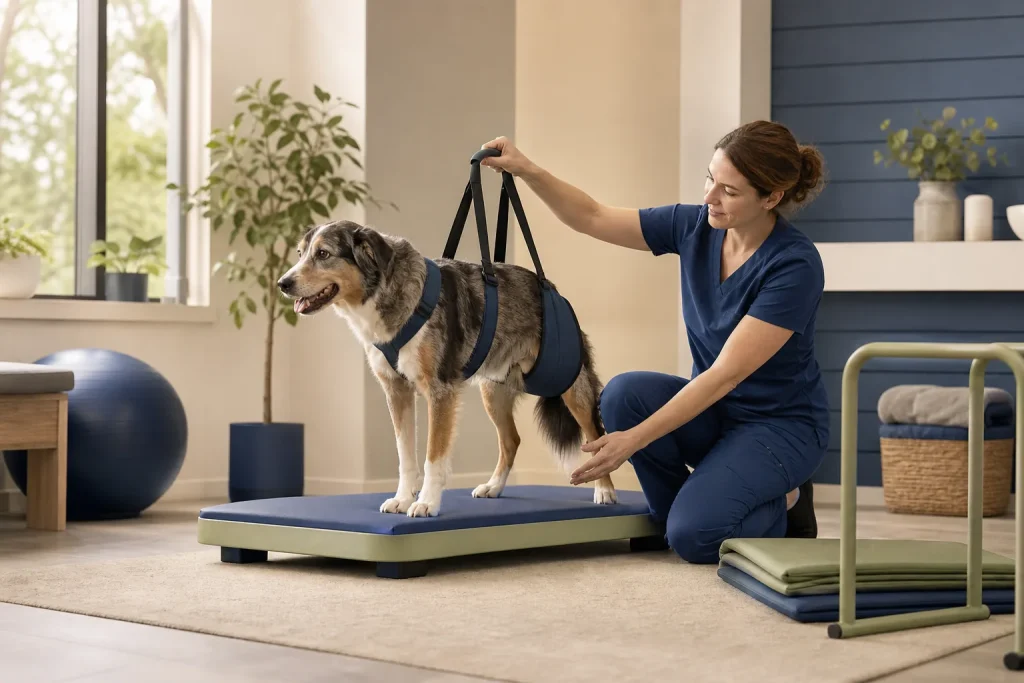
A dog in cancer care may have one active morning followed by a day of exhaustion. Families can mistake this for laziness or assume more exercise will rebuild stamina. Fatigue is a symptom with many possible causes, and safe pacing begins after the veterinary team assesses what may be limiting energy.
Why this deserves a plan
Pain, anemia, infection, poor intake, dehydration, sleep disruption, heart or lung disease, medication effects, deconditioning, and tumor burden can look similar at home. A consistent function log helps separate a predictable treatment pattern from a new decline that needs examination.
Prepare before the stressful moment
Choose two or three activities the dog values, such as toileting independently, a brief sniff walk, eating in a preferred place, or greeting family. Ask which activities are medically cleared and whether bone, wound, blood-count, breathing, or neurologic risks impose restrictions. Add traction and easy resting places.
What to observe and record
Record activity type, duration, pace, gait, breathing, enthusiasm, and recovery time rather than only distance. Stop while the dog is still comfortable. Compare function at the same time of day and relative to treatment. Share videos of gait or transfers when safe and useful.
When to call or escalate
Collapse, fainting, breathing difficulty, pale gums, sudden weakness, severe pain, new neurologic change, or inability to rise needs prompt assessment. A steadily longer recovery, falling, refusal of previously valued activity, or major day-to-day decline also warrants earlier review.
What not to improvise
Do not use forced stairs, treadmill work, swimming, resistance, or heat without clearance. Do not increase activity simply because analgesia masks pain. Rest alone is not always the answer either; prolonged inactivity can worsen function. The plan should be adjusted with veterinary and rehabilitation guidance.
Use recovery as the pacing signal
Choose one familiar activity and record the dog before, during, and after it. Note willingness to begin, gait and breathing while moving, and how long it takes to settle comfortably and return to the prior level of interaction. When recovery becomes slower or the next valued activity is lost, the same workload may no longer be appropriate even if the dog completed it.
Plan small opportunities around the dog’s more alert periods rather than saving all activity for one ambitious outing. A sniffing break, supported trip outside, or change of resting location may provide engagement without demanding sustained exertion. On treatment and recheck days, expect the schedule to need revision. The log should help the veterinarian or rehabilitation professional connect fatigue with pain, intake, medication, blood counts, or cardiopulmonary signs and adjust the plan accordingly. Keep rest quality in the same entry; pacing should support recovery, not merely reduce the recorded distance.
Take these questions to the care team
- Which medical cause of fatigue is most likely?
- What activity is safely cleared?
- How long should recovery take?
- What trend means the plan is too hard?
- When should rehabilitation reassess function?
Medical disclaimer: This article is educational and cannot diagnose, treat, or determine prognosis for an individual dog. It does not replace an examination or an individualized plan from a licensed veterinarian.
Sources and further reading
- American Association of Rehabilitation Veterinarians: Model Standards
- AAHA: 2022 Pain Management Guidelines
- AAHA: Supportive and Symptomatic Care
- AAHA: Post-Treatment Monitoring and Follow-Up
