Mouth Pain During Cancer Care: Spot Mucositis Before Intake Collapses
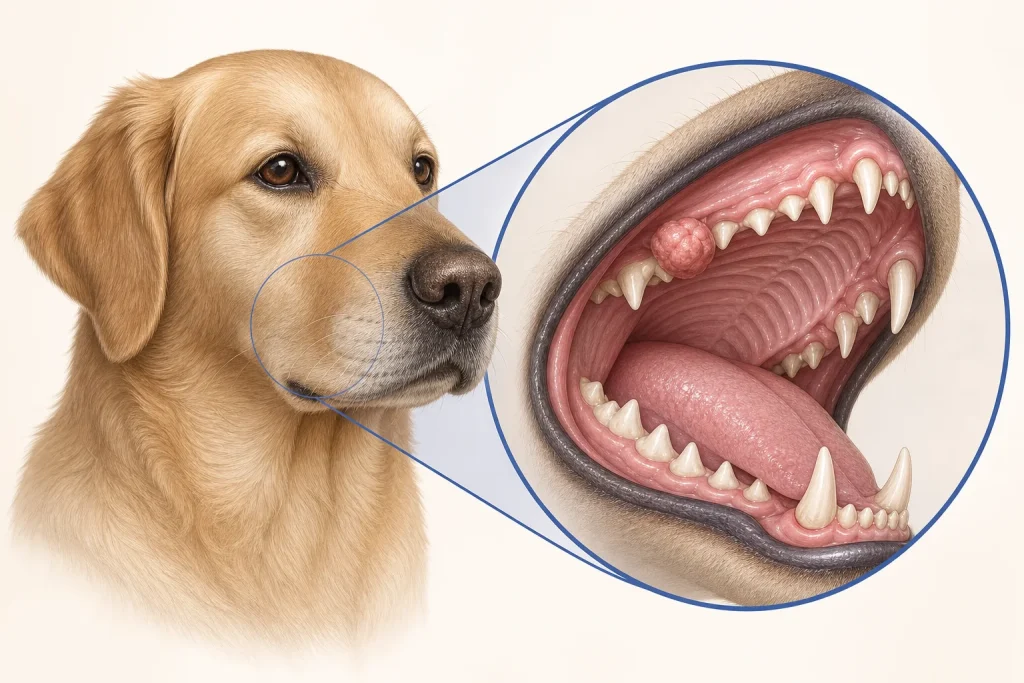
A dog may still approach food despite a painful mouth, then chew slowly, drop pieces, retreat, or swallow without chewing. Treatment-related mucosal injury is one possibility, but an oral tumor, dental disease, foreign material, infection, jaw pain, or nausea may look similar from across the room.
Why this deserves a plan
Oral pain can reduce nutrition and hydration and can become a portal for infection when tissue or blood counts are compromised. Early examination allows the team to adjust analgesia, oral care, diet texture, treatment timing, or diagnostics. Odor alone is not enough to choose an antibiotic.
Prepare before the stressful moment
Ask what oral changes are possible with the planned therapy and whether routine dental products should be paused. Keep a baseline note on breath, chewing side, food texture, drooling, and visible lesions only if the dog safely permits inspection. Never risk a bite or force the mouth open.
What to observe and record
Record interest in food, ability to grasp and swallow, preference for soft versus hard texture, drooling, repeated swallowing, lip licking, blood, odor, pawing, facial swelling, and pain when the head is touched. Report recent radiation field, chemotherapy date, platelet or neutrophil concern, and every oral product used.
When to call or escalate
Inability to swallow water, breathing or facial swelling, uncontrolled oral bleeding, severe pain, marked weakness, fever concern, or rapid decline requires urgent assessment. A dog that stops eating or drinking because of mouth pain should not wait until the next routine oncology appointment.
What not to improvise
Do not use human mouthwash, peroxide, essential oils, numbing gel, aspirin-containing products, or sharp cleaning tools. Do not scrub fragile tissue or apply a product directly to a tumor. Diet texture and prescribed rinses must match the lesion and aspiration risk.
Map function around the painful area
Observe the dog using the mouth without forcing an inspection. Note whether discomfort appears when grasping food, chewing, swallowing, drinking, yawning, or picking up a toy, and whether one side is favored. Report the texture and temperature of foods accepted or refused, but do not use those observations to select a treatment. They help the clinician locate the problem and decide whether an oral examination can be performed safely.
If the dog allows it, a consistent photograph of the lips or visible front of the mouth may show change over time; stop if handling causes pain or resistance. Ask the care team how prescribed oral products should be applied and whether eating, drinking, blood counts, or a recent radiation field alters the plan. The aim is to preserve comfort and intake while protecting fragile tissue, not to make a lesion look cleaner at home.
Take these questions to the care team
- Is this mucositis, tumor, dental disease, or another cause?
- How will pain and intake be supported?
- Which oral care is safe for this tissue?
- Do blood counts change infection or bleeding risk?
- When must treatment be reassessed?
Medical disclaimer: This article is educational and cannot diagnose, treat, or determine prognosis for an individual dog. It does not replace an examination or an individualized plan from a licensed veterinarian.
Sources and further reading
- AAHA: Supportive and Symptomatic Care
- AAHA: 2022 Pain Management Guidelines
- AAHA: Therapeutic Modalities—Chemotherapy
- FDA: Medications for Your Pet—Questions for Your Vet
