Going Home With a Feeding Tube: The Handoff Checklist That Prevents Guessing
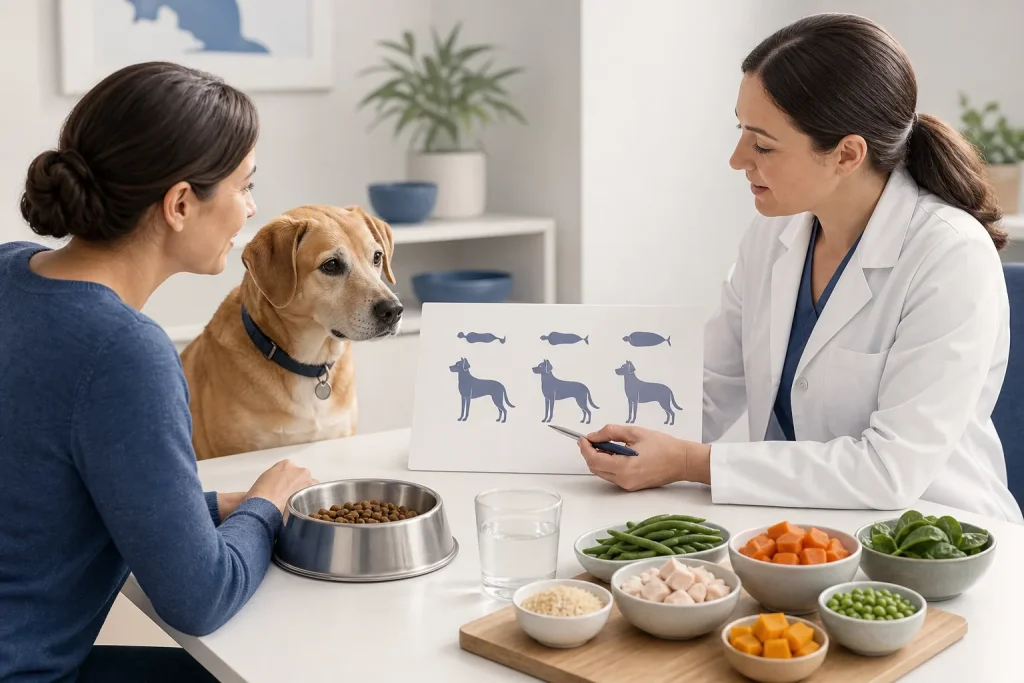
A feeding tube can make home support more predictable, but only when the caregiver has practiced the exact routine and knows when to stop. A verbal demonstration during a stressful pickup is not enough. Request written steps and perform a return demonstration before leaving.
Why this deserves a plan
Tube routes have different placement, feeding, and complication profiles. Coughing, resistance, leakage, swelling, pain, vomiting, and displacement can have different meanings. The clinic must confirm which tube is present and how position, site, diet, water, and medicines are managed for this dog.
Prepare before the stressful moment
Set up a clean, well-lit workspace away from children and other animals. Gather only clinic-approved syringes, connectors, food, water, dressings, protective collar, and medication tools. Label enteral supplies clearly and keep them separate from any vascular or injection equipment to prevent a catastrophic connection error.
What to observe and record
Write down diet product, preparation, storage time, amount and schedule, delivery speed, water instructions, flush steps, medication sequence, site cleaning, bandage changes, and expected stool. Before each use, check the external tube length or marker exactly as taught, the site, the dog’s breathing, comfort, and alertness.
When to call or escalate
Stop and call for coughing, breathing change, repeated vomiting, marked discomfort, inability to flush, new leakage, swelling, discharge, bleeding, tube damage, or a changed external position. A fully displaced tube, severe distress, collapse, or rapidly worsening signs requires urgent veterinary assessment.
What not to improvise
Do not force a blockage, cut the tube, push it back, replace it, or use an unapproved unclogging product. Do not crush a medicine unless the prescriber and tube team approve it; extended-release, hazardous, or incompatible products can create serious risk. Never improvise a formula.
Create a route map for food, water, and medicines
Ask the tube team to place every prescribed item into one of three categories: given through the tube, given by another route, or not compatible with the current setup. The written map should include the order of approved items, any separation the clinic requires, and what to do when a scheduled item cannot be delivered. This prevents a familiar tablet or liquid from being added to the tube simply because it appears easy to administer.
Keep a baseline photograph of the external marker and skin site as demonstrated at discharge, then compare without rotating, advancing, or pulling the tube. Log each feed, flush, medicine, and site check together with the dog’s comfort and breathing. If resistance, leakage, coughing, a changed marker, or a missed delivery occurs, stop at the point directed by the clinic and call; do not “catch up” by combining later feeds or medicines. Keep the after-hours number on that same page.
Take these questions to the care team
- What exact tube is present?
- Can I demonstrate every step before discharge?
- Which medicines can use the tube?
- How do I recognize displacement?
- Who can help after hours?
Medical disclaimer: This article is educational and cannot diagnose, treat, or determine prognosis for an individual dog. It does not replace an examination or an individualized plan from a licensed veterinarian.
Sources and further reading
- AAHA: Supportive and Symptomatic Care
- AAHA: Feeding Plans for Hospitalized Patients
- AAHA: Fluids for Replacement and Maintenance
- WSAVA: Global Nutrition Guidelines
