Canine Multicentric Lymphoma: Enlarged Nodes, Diagnosis, and Treatment Conversations
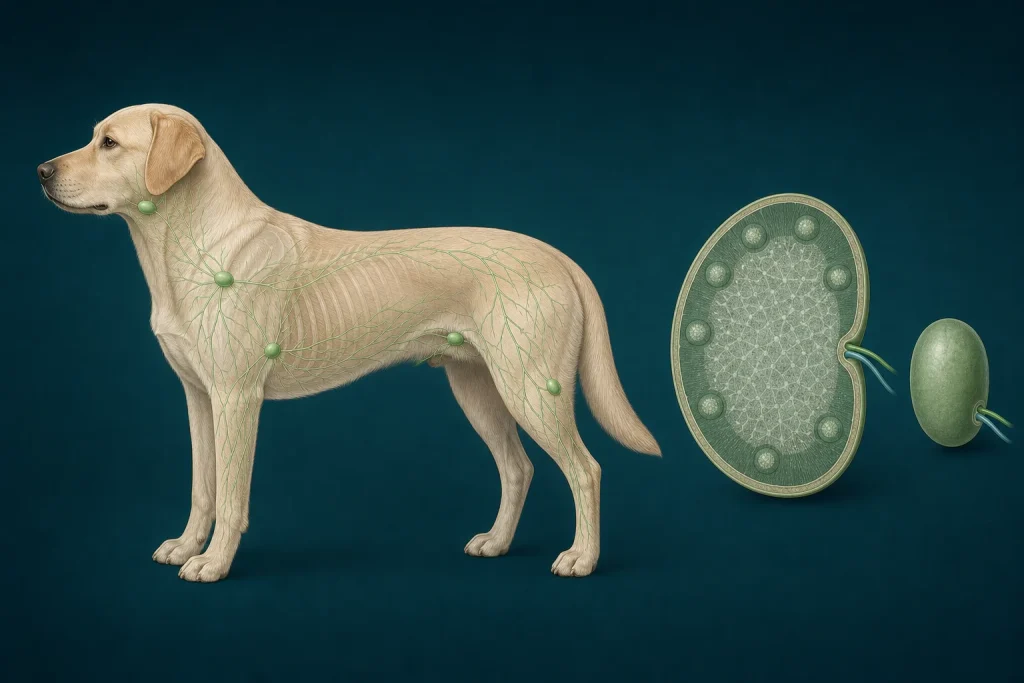
Overview
Lymphoma is a systemic cancer of lymphocytes. In the common multicentric form, multiple peripheral lymph nodes enlarge; other forms can involve the gastrointestinal tract, skin, chest or other organs.
Common signs
Usually painless enlarged lymph nodes under the jaw, in front of the shoulders or behind the knees. Some dogs have reduced appetite or energy, weight loss, vomiting, diarrhea, increased thirst or urination, fever or breathing changes depending on affected sites.
Common locations
Peripheral and internal lymph nodes, spleen, liver and bone marrow; extranodal disease may occur in the gastrointestinal tract, skin, chest, nervous system or other tissues.
Diagnosis discussion
A fine-needle aspirate of an enlarged node often provides a diagnosis. Flow cytometry, PARR, immunohistochemistry or biopsy may help establish cell lineage and subtype. Bloodwork, urinalysis and selected imaging or sampling establish health status and disease extent.
Urgency and when to contact a veterinarian
Arrange a prompt appointment for unexplained enlargement of multiple nodes. Seek urgent care for labored breathing, collapse, severe weakness, repeated vomiting, inability to eat or drink, or rapidly worsening illness.
Treatment discussion
Because lymphoma is systemic, treatment discussions usually center on systemic therapy. Multi-agent chemotherapy such as CHOP is a common reference approach; other drug protocols, FDA-approved options for canine lymphoma, clinical trials, corticosteroid-only palliation or comfort care may be considered. Starting prednisone before diagnostic sampling can complicate later decisions, so discuss timing first.
Home monitoring
Track appetite, water intake, weight, stool, vomiting, temperature only if trained, activity and any visible node changes. During treatment follow the clinic's hazardous-drug and body-waste precautions and call thresholds rather than changing doses at home.
Questions to ask your veterinarian
- Is the diagnosis secure, and should immunophenotyping be performed before treatment?
- Which staging tests could change the recommended plan or expected outlook?
- What are the goals, visit schedule, likely adverse effects and stopping rules for each protocol?
- Should prednisone be delayed until sampling and oncology options are discussed?