Canine Gastric Adenocarcinoma: Ongoing Vomiting and Weight Loss Deserve Imaging
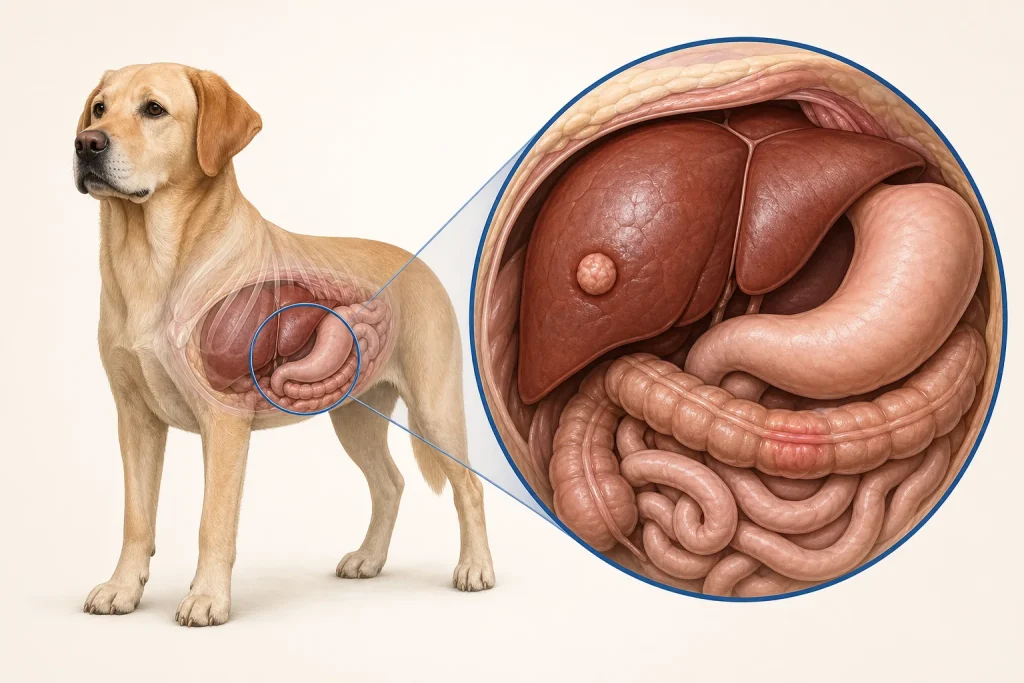
Overview
Gastric adenocarcinoma is a malignant epithelial tumor of the stomach. It is uncommon but important when vomiting, appetite loss and weight loss persist, especially when routine treatment has not produced a durable response.
Common signs
Chronic or worsening vomiting, reduced appetite, weight loss, abdominal discomfort, blood in vomit, black stool, anemia, weakness or early fullness after eating.
Common locations
Stomach wall, often with local infiltration and possible spread to regional lymph nodes, liver, abdominal lining or other sites.
Diagnosis discussion
Bloodwork assesses dehydration, anemia and organ function. Ultrasound may detect wall thickening; endoscopy allows mucosal biopsies, though deeper samples or surgery may be needed when superficial biopsies are nondiagnostic. CT can assist staging and surgery planning.
Urgency and when to contact a veterinarian
Promptly evaluate ongoing vomiting or unexplained weight loss. Emergency care is needed for repeated vomiting with inability to keep water down, collapse, pale gums, black stool, severe abdominal pain or marked distension.
Treatment discussion
Surgical removal may be discussed when a localized tumor can be resected, but location and extent often limit complete surgery. Pathology and staging guide systemic or palliative options, anti-nausea care and nutrition support.
Home monitoring
Record each vomiting episode, food and water retained, stool color, weight, pain and energy. Do not force-feed a nauseated or obstructed dog; follow the clinic's hydration and feeding plan.
Questions to ask your veterinarian
- Could a noncancerous gastric disease explain these findings?
- Are endoscopic biopsies likely to be deep and representative enough?
- What does imaging show about resectability and spread?
- What is the home threshold for dehydration or gastrointestinal bleeding?