Canine Primary Renal Lymphoma: Bilateral Kidney Changes Can Signal Systemic Disease
Overview
Primary Renal Lymphoma is lymphoid cancer with prominent kidney involvement and no clearer primary site at presentation. The term primary is used cautiously because lymphoma is a systemic disease and can involve kidneys alongside marrow, nodes, spleen, liver, or other organs.
Common signs
Owners may notice increased thirst and urination, reduced appetite, vomiting, weight loss, lethargy, enlarged kidneys, abdominal discomfort, or worsening kidney laboratory values. None of these signs is specific to primary renal lymphoma, so a veterinary examination and appropriate testing are needed before naming the problem.
Common locations
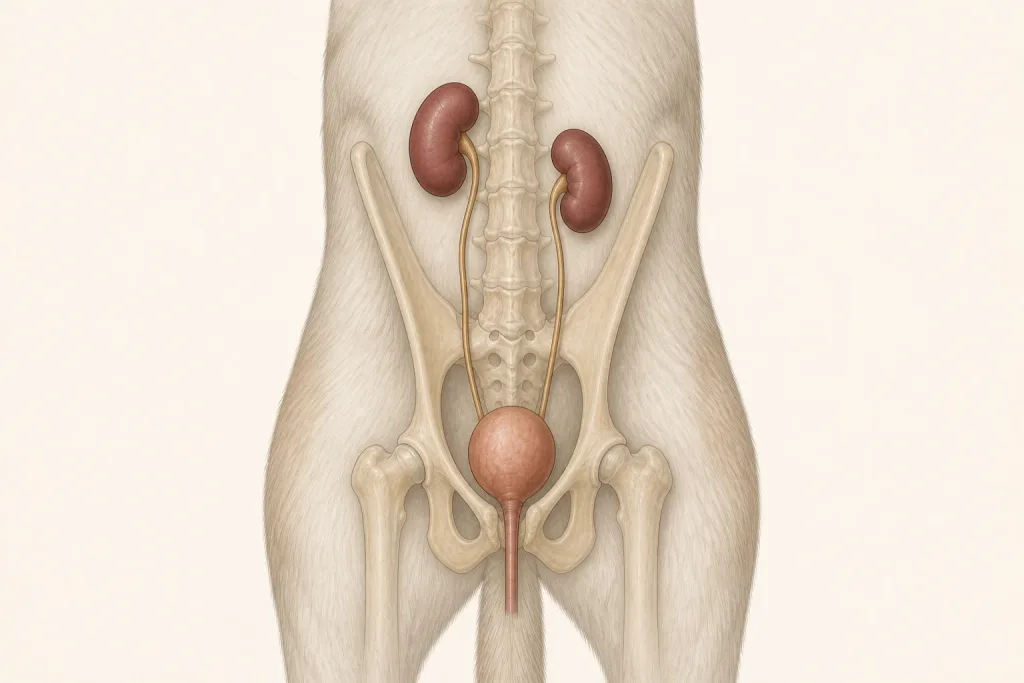
One or both kidneys may be infiltrated; bilateral enlargement or diffuse imaging change can occur without a discrete removable mass. Anatomy affects what can be sampled safely, whether a complete first surgery is realistic, and which nearby function needs protection.
Diagnosis discussion
Bloodwork, urinalysis, blood pressure, abdominal imaging, careful kidney or other-site sampling, flow cytometry or immunophenotyping, and systemic staging may be recommended. Infection and nonneoplastic kidney disease remain important differentials. The diagnostic plan should answer a decision: whether tissue type, local extent, stage, or patient health will change the next option. An imaging impression is not the same as a histologic diagnosis.
Urgency and when to contact a veterinarian
Arrange a prompt veterinary appointment for persistent or progressive signs. Seek urgent veterinary care for any of these signs: inability to urinate, repeated vomiting with dehydration, collapse, severe weakness, seizures, breathing difficulty, or a sudden decline. Call ahead when possible so the receiving team can prepare; do not delay emergency transport to take photographs or complete a log.
Treatment discussion
Systemic therapy rather than kidney removal is usually the central oncology discussion when lymphoma is confirmed. Hydration, nausea management, renal support, and monitoring are tailored to kidney function and treatment effects. The team should explain the goal of each option—diagnosis, local control, systemic control, symptom relief, or emergency stabilization—along with likely burdens, costs, travel, rechecks, and alternatives.
Home monitoring
Keep one dated home record of water intake, urine volume, appetite, vomiting, weight, hydration, energy, medication effects, and serial kidney values and blood pressure. Use the same measurement or observation method each time and share trends with the veterinary team. Home tracking supports planned rechecks; it cannot determine grade, margins, or metastasis.
Questions to ask your veterinarian
- Which accessible site offers the safest representative sample?
- Have infection and other infiltrative kidney diseases been evaluated?
- Which classification test will guide the systemic treatment discussion?
- How will renal function change drug and fluid planning?