Treatment, Medication & Supplement Directory
A comprehensive encyclopedia of medicines, chemotherapy protocols, targeted and immune therapies, supplements, Chinese herbal formulas, Traditional Chinese Veterinary Medicine (TCVM) approaches, and supportive-care options used or discussed in canine and feline tumor care. Directory entries explain what each option is, where it may fit, its evidence and safety boundaries, and what to discuss with a veterinarian; they are references, not individualized prescriptions or rankings.

Circulating Tumor DNA and Multi-Cancer Blood Tests: Evidence Boundary
Emerging blood-based cancer assays may be discussed for selected questions, but validation, false results, follow-up pathways, and device oversight require careful review.
Read more
Sentinel Lymph Node Mapping Before Node Biopsy or Removal
Sentinel-node mapping aims to identify the first draining node, which may not be the nearest or largest node, before sampling or surgery.
Read moreImage-Guided Tumor Ablation and Embolization: Emerging Veterinary Options
Image-guided local procedures may be discussed at specialist centers for selected tumors, but indications, access, evidence, and follow-up remain technique- and diagnosis-specific.
Read more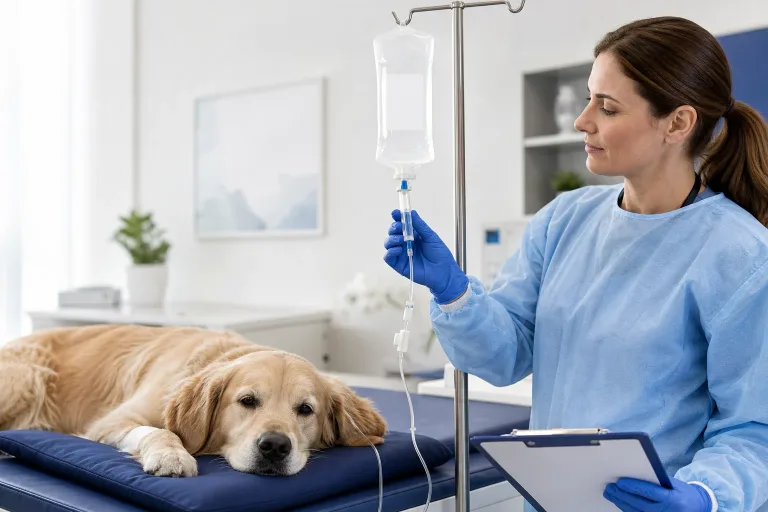
Gemcitabine in Veterinary Oncology: Limited and Protocol-Specific Evidence
Gemcitabine is an intravenous antimetabolite considered in selected veterinary protocols, where evidence and toxicity must be reviewed for the exact diagnosis.
Read moreTaxane Chemotherapy: Formulation, Infusion, and Evidence Questions
Taxanes disrupt microtubule dynamics, but formulation, infusion reactions, species experience, and veterinary evidence differ enough that product names are not interchangeable.
Read moreElectrochemotherapy: Local Treatment With an Emerging Evidence Base
Electrochemotherapy combines electric pulses with a selected antineoplastic agent to increase local drug uptake and is available only in some veterinary settings.
Read more
Prehabilitation Before Major Cancer Surgery
Prehabilitation prepares selected patients and households for surgery through safe conditioning, pain control, nutrition, equipment, and recovery planning without delaying urgent treatment.
Read moreLimb Swelling and Lymphedema: Measurement and Gentle Management
New swelling after tumor, node surgery, radiation, thrombosis, infection, or immobility needs diagnosis before compression, massage, or exercise is attempted.
Read more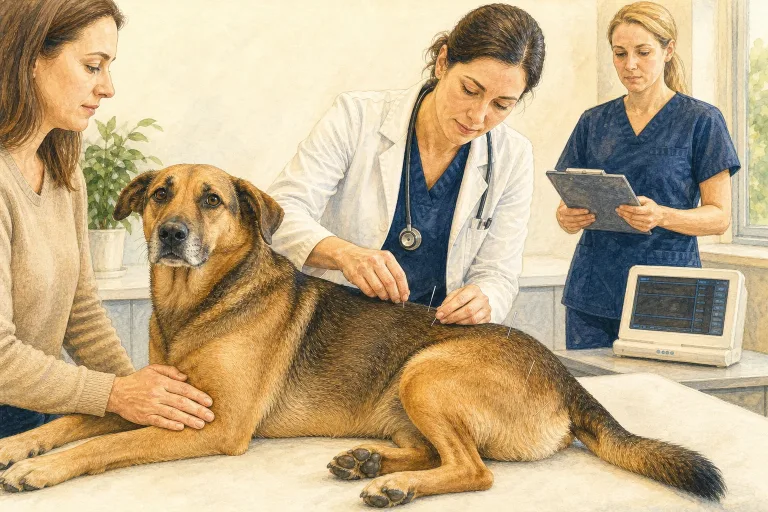
Veterinary Acupuncture in Cancer Support: Symptom-Focused Evidence Boundary
Acupuncture may be discussed as an adjunct for selected pain, nausea, mobility, or wellbeing goals, but veterinary oncology-specific clinical evidence is limited.
Read more
Veterinary Cancer Clinical Trials: Eligibility, Consent, and Alternatives
A clinical trial may offer structured access to an investigational strategy or answer an important research question, but listing, enrollment, or novelty does not mean the study is…
Read moreNamed profile Ifosfamide in Veterinary Oncology: Uroprotection and Organ-Safety ProfileRepresentative category illustration – no product packaging is shown.Ifosfamide in Veterinary Oncology: Uroprotection and Organ-Safety Profile
ifosfamide is covered as oxazaphosphorine alkylating agents; hazardous antineoplastic medicine, with species, evidence, regulatory, safety, interaction and monitoring boundaries for a veterinarian-led decision.
Read moreNamed profile Streptozotocin for Canine Insulinoma: Narrow-Indication Chemotherapy ProfileRepresentative category illustration – no product packaging is shown.Streptozotocin for Canine Insulinoma: Narrow-Indication Chemotherapy Profile
streptozotocin is covered as nitrosourea antineoplastic agents; hazardous antineoplastic medicine, with species, evidence, regulatory, safety, interaction and monitoring boundaries for a veterinarian-led decision.
Read more