Treatment, Medication & Supplement Directory
A comprehensive encyclopedia of medicines, chemotherapy protocols, targeted and immune therapies, supplements, Chinese herbal formulas, Traditional Chinese Veterinary Medicine (TCVM) approaches, and supportive-care options used or discussed in canine and feline tumor care. Directory entries explain what each option is, where it may fit, its evidence and safety boundaries, and what to discuss with a veterinarian; they are references, not individualized prescriptions or rankings.
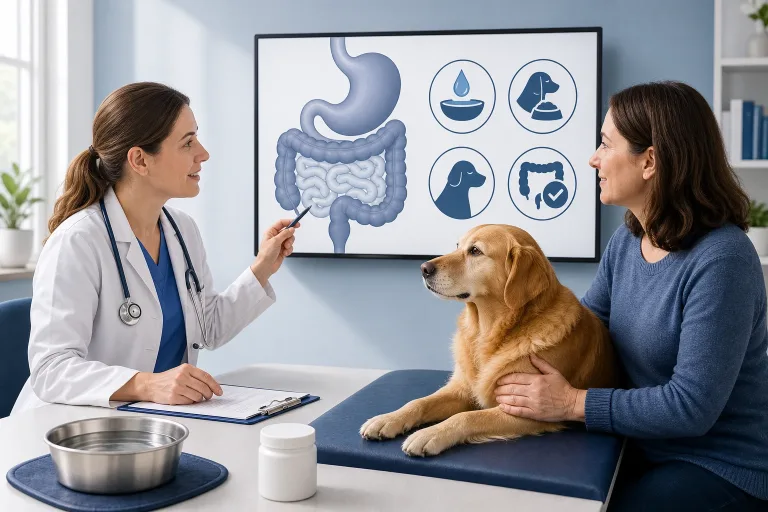
Antiemetic Support During Canine Cancer Treatment
Antiemetic therapy aims to prevent or control nausea and vomiting from chemotherapy, radiation fields, anesthesia, medications, the tumor, or another disease. Drug choice and timing depend on the…
Read more
Appetite Support: Find and Treat the Reason a Dog Is Not Eating
Reduced appetite can result from nausea, pain, fever, constipation, oral disease, swallowing difficulty, medication effects, tumor location, stress, or metabolic illness. Appetite support starts by investigating and treating…
Read moreMaropitant for Nausea and Vomiting Support in Cancer Care
Maropitant is a prescription antiemetic used for selected dogs and cats, but controlling vomiting does not identify or resolve every cause of nausea or gastrointestinal disease.
Read moreOndansetron for Persistent Nausea: Role and Interaction Review
Ondansetron is a serotonin-receptor antiemetic used by veterinarians for selected nausea and vomiting, often when one pathway or medicine is not enough.
Read moreMetoclopramide: Antiemetic and Motility Questions in Oncology
Metoclopramide has antiemetic and upper-gastrointestinal motility effects, making obstruction, neurologic history, cause, route, and interactions central to safe selection.
Read moreCapromorelin for Appetite Support: Cause, Species, and Monitoring
Capromorelin is a ghrelin-receptor agonist used in species- and product-specific veterinary appetite settings; it does not replace evaluation of why intake fell.
Read moreChemotherapy-Associated Diarrhea: Support Without Automatic Antibiotics
Diarrhea after cancer treatment needs severity, hydration, blood-count, infection, diet, medicine, and obstruction review rather than a one-size-fits-all remedy.
Read moreConstipation and Difficult Defecation in Cancer Care
Difficult defecation can reflect dehydration, pain, immobility, medication effects, pelvic or intestinal obstruction, neurologic disease, or inadequate intake and needs cause-based care.
Read more
Oral Mucositis and Mouth-Pain Support During Cancer Treatment
Painful oral inflammation or ulceration can interfere with eating, drinking, grooming, and medication and requires examination of treatment effects, infection, tumor, dental disease, and trauma.
Read moreHydration Planning During Cancer Treatment
Hydration support is guided by losses, intake, kidney and heart function, electrolytes, medicines, and clinical examination rather than a universal fluid amount.
Read moreNamed profile Acid-Suppression Medicines in Veterinary Oncology: Rational-Use ProfileRepresentative category illustration – no product packaging is shown.Acid-Suppression Medicines in Veterinary Oncology: Rational-Use Profile
proton-pump inhibitors and histamine-2 receptor antagonists is covered as gastrointestinal supportive-medicine class, with species, evidence, regulatory, safety, interaction and monitoring boundaries for a veterinarian-led decision.
Read moreNamed profile Cobalamin (Vitamin B12) in Canine and Feline Oncology SupportRepresentative category illustration – no product packaging is shown.Cobalamin (Vitamin B12) in Canine and Feline Oncology Support
cobalamin (vitamin B12) is covered as nutrient replacement for documented or strongly suspected deficiency; not a universal cancer supplement, with species, evidence, regulatory, safety, interaction and monitoring boundaries…
Read more