Treatment, Medication & Supplement Directory
A comprehensive encyclopedia of medicines, chemotherapy protocols, targeted and immune therapies, supplements, Chinese herbal formulas, Traditional Chinese Veterinary Medicine (TCVM) approaches, and supportive-care options used or discussed in canine and feline tumor care. Directory entries explain what each option is, where it may fit, its evidence and safety boundaries, and what to discuss with a veterinarian; they are references, not individualized prescriptions or rankings.

Bisphosphonates for Tumor-Associated Bone Pain
Intravenous bisphosphonates may be considered for selected tumor-associated bone pain or skeletal complications, with kidney, mineral, dental, and infusion review.
Read more
Antibiotic Use in Immunocompromised Oncology Patients
Cancer or chemotherapy can increase infection concern, but fever, low cell counts, wounds, diarrhea, and urinary signs do not justify automatic or leftover antibiotic use.
Read more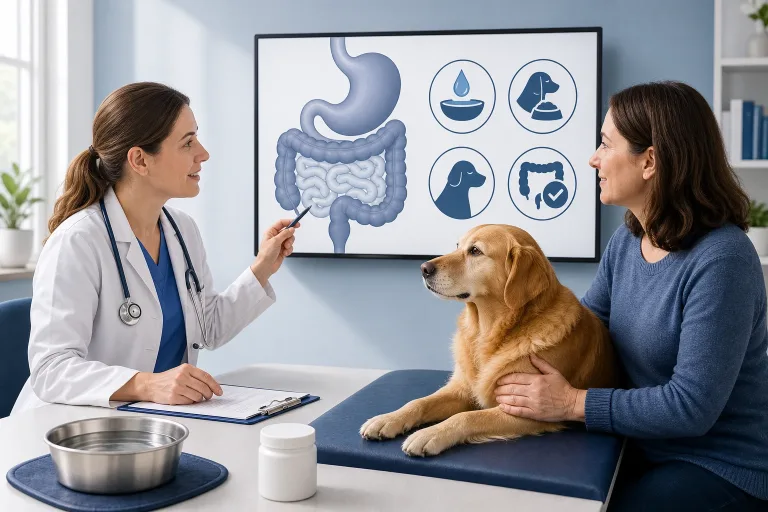
Chemotherapy-Associated Diarrhea: Support Without Automatic Antibiotics
Diarrhea after cancer treatment needs severity, hydration, blood-count, infection, diet, medicine, and obstruction review rather than a one-size-fits-all remedy.
Read moreConstipation and Difficult Defecation in Cancer Care
Difficult defecation can reflect dehydration, pain, immobility, medication effects, pelvic or intestinal obstruction, neurologic disease, or inadequate intake and needs cause-based care.
Read moreOral Mucositis and Mouth-Pain Support During Cancer Treatment
Painful oral inflammation or ulceration can interfere with eating, drinking, grooming, and medication and requires examination of treatment effects, infection, tumor, dental disease, and trauma.
Read moreUlcerated Cancer Wounds: Odor, Exudate, Bleeding, and Comfort
An ulcerated or draining tumor needs a veterinary plan for pain, bleeding, infection, odor, moisture, self-trauma, dressings, and caregiver safety.
Read more
Nutrition Screening From Cancer Diagnosis Through Follow-Up
Routine nutrition screening identifies intake, weight, muscle, diet, gastrointestinal, and feeding barriers early enough to act before severe loss develops.
Read moreComplete-and-Balanced Diets: Reading the Nutritional Adequacy Statement
A nutritional adequacy statement helps distinguish a sole diet from a treat, topper, or supplement, but palatability and patient-specific suitability still matter.
Read moreThe “Cancer Diet” Question: Evidence Without Universal Rules
There is no single diet proven appropriate for every dog or cat with cancer; intake, balance, tumor, treatment, comorbidities, and patient preference lead the decision.
Read moreHome-Prepared Diets: Veterinary Nutrition Formulation and Follow-Through
A home-prepared diet can meet selected patient needs only when a veterinary nutrition specialist formulates it and the household follows and updates the recipe accurately.
Read moreRaw Diets During Oncology Care: Patient and Household Infection Risk
Raw diets add microbial risk to an oncology household and are not recommended by current AAHA oncology guidance for immunocompromised patients.
Read moreFood Storage, Lot Tracking, and Hygiene for Vulnerable Pets
Safe storage, clean equipment, lot records, and prompt response to recalls matter when cancer, treatment, or frailty may reduce resilience to foodborne illness.
Read more