Treatment, Medication & Supplement Directory
A comprehensive encyclopedia of medicines, chemotherapy protocols, targeted and immune therapies, supplements, Chinese herbal formulas, Traditional Chinese Veterinary Medicine (TCVM) approaches, and supportive-care options used or discussed in canine and feline tumor care. Directory entries explain what each option is, where it may fit, its evidence and safety boundaries, and what to discuss with a veterinarian; they are references, not individualized prescriptions or rankings.

CHOP-Style Chemotherapy for Canine Lymphoma: Protocol Discussion Profile
CHOP is a family of veterinary lymphoma protocols built around cyclophosphamide, hydroxydaunorubicin (doxorubicin), vincristine and prednisone. Exact sequence, dose and duration vary by oncology service and patient.
Read more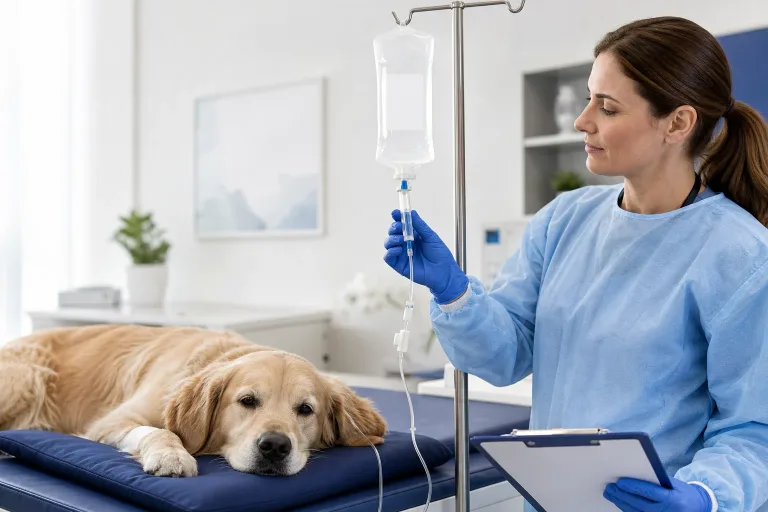
Carboplatin in Veterinary Oncology: Infusion, Monitoring, and Safety Profile
Carboplatin is a platinum-based cytotoxic chemotherapy drug used by veterinary oncologists for selected canine and feline cancers. Its use in companion animals is veterinarian-directed and generally extra-label; it…
Read moreDoxorubicin in Veterinary Oncology: Infusion and Cumulative-Risk Profile
Doxorubicin is an anthracycline cytotoxic chemotherapy drug used by veterinary oncologists for lymphoma and several sarcomas and carcinomas. Companion-animal use is veterinarian-directed and generally extra-label, with drug-specific infusion…
Read more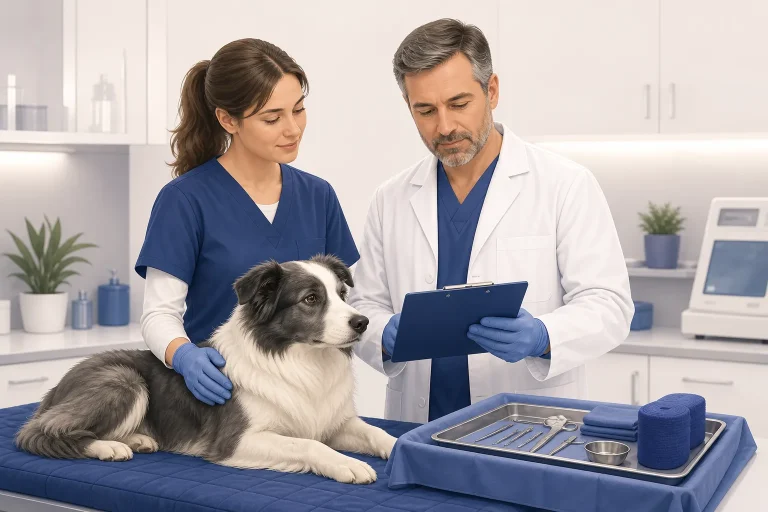
Cancer Surgery: Biopsy, Excision, and Margin Planning
Surgery may obtain a diagnosis, remove a localized tumor, relieve obstruction or pain, or reduce complications. The first operation can determine later options, so biopsy route, intended margins,…
Read more
Veterinary Rehabilitation During and After Cancer Care
Veterinary rehabilitation uses a medically supervised assessment and individualized plan to address pain, weakness, mobility limits, deconditioning, and functional goals. In oncology it must be coordinated with the…
Read moreBiopsy-Tract Planning Before Definitive Tumor Surgery
The route used to sample a suspicious mass can affect later surgery or radiation, so the diagnostic and definitive teams should plan it together when anatomy is complex.
Read moreTumor Specimen Orientation, Margin Inking, and Pathology Handoff
Clear communication between surgeon and pathologist helps connect microscopic margin findings to the exact patient anatomy and next decision.
Read moreSentinel Lymph Node Mapping Before Node Biopsy or Removal
Sentinel-node mapping aims to identify the first draining node, which may not be the nearest or largest node, before sampling or surgery.
Read moreSurgical Drains, Incision Protection, and Cancer Wound Follow-Up
A written postoperative plan explains what the incision or drain should look like, how to prevent self-trauma, and which changes need rapid review.
Read moreLimb Amputation for Tumor Control or Pain Relief
Amputation may be discussed for selected limb tumors or uncontrollable limb pain after staging, mobility, comorbidity, and family goals are reviewed.
Read moreLimb-Sparing Surgery: Eligibility and Tradeoffs
Limb-sparing procedures preserve some limb function in selected cases but require careful imaging, staging, reconstruction, complication planning, and comparison with amputation.
Read moreSplenectomy for a Splenic Mass: Diagnosis, Stabilization, and Next Steps
Removing the spleen may be diagnostic and therapeutic for selected splenic masses, but imaging cannot reliably determine benign versus malignant disease before pathology.
Read more