Treatment, Medication & Supplement Directory
A comprehensive encyclopedia of medicines, chemotherapy protocols, targeted and immune therapies, supplements, Chinese herbal formulas, Traditional Chinese Veterinary Medicine (TCVM) approaches, and supportive-care options used or discussed in canine and feline tumor care. Directory entries explain what each option is, where it may fit, its evidence and safety boundaries, and what to discuss with a veterinarian; they are references, not individualized prescriptions or rankings.
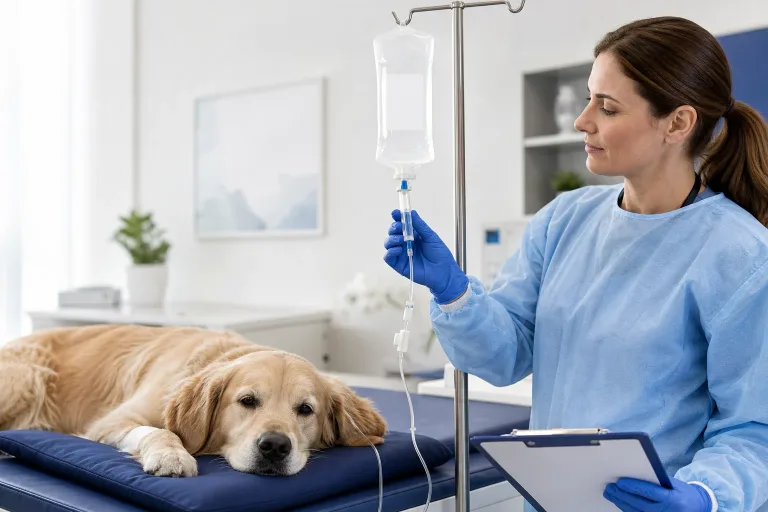
Cytarabine in Veterinary Cancer Care: Route and Marrow Monitoring
Cytarabine is an antimetabolite used in selected veterinary hematologic or central nervous system protocols, with route- and schedule-specific monitoring.
Read moreTaxane Chemotherapy: Formulation, Infusion, and Evidence Questions
Taxanes disrupt microtubule dynamics, but formulation, infusion reactions, species experience, and veterinary evidence differ enough that product names are not interchangeable.
Read more
Metronomic Chemotherapy: Goal, Evidence, and Handling Boundary
Metronomic therapy uses regularly scheduled cytotoxic medication in selected plans; it remains prescription hazardous-drug treatment and is not simply gentle chemotherapy.
Read moreL-Asparaginase in Lymphoid Cancer Protocols
L-asparaginase is an enzyme-based antineoplastic used in selected lymphoma or leukemia protocols, with hypersensitivity and protocol-timing considerations.
Read moreNamed profile Tanovea (Rabacfosadine): FDA-Approved Injectable Canine Lymphoma TherapyRepresentative category illustration – no product packaging is shown.Tanovea (Rabacfosadine): FDA-Approved Injectable Canine Lymphoma Therapy
Rabacfosadine is a canine lymphoma drug whose current official label, patient selection, cumulative risks, and availability must be verified before use.
Read moreCisplatin in Dogs: Species-Specific and Kidney-Safety Boundary
Cisplatin is a platinum chemotherapy used only in carefully selected veterinary settings; it has major kidney, gastrointestinal, infusion, and species-specific hazards.
Read moreHome Handling of Oral Chemotherapy and Patient Waste
Families need drug-specific written instructions for receiving, storing, administering, cleaning, laundering, and disposing of chemotherapy and contaminated patient waste.
Read more
Electrochemotherapy: Local Treatment With an Emerging Evidence Base
Electrochemotherapy combines electric pulses with a selected antineoplastic agent to increase local drug uptake and is available only in some veterinary settings.
Read more Named profile Prednisolone in Feline and Canine Oncology: Uses and Safety BoundariesRepresentative category illustration – no product packaging is shown.
Prednisolone in Feline and Canine Oncology: Uses and Safety Boundaries
prednisolone is covered as glucocorticoid with lympholytic, anti-inflammatory and supportive-care roles, with species, evidence, regulatory, safety, interaction and monitoring boundaries for a veterinarian-led decision.
Read moreNamed profile Ifosfamide in Veterinary Oncology: Uroprotection and Organ-Safety ProfileRepresentative category illustration – no product packaging is shown.Ifosfamide in Veterinary Oncology: Uroprotection and Organ-Safety Profile
ifosfamide is covered as oxazaphosphorine alkylating agents; hazardous antineoplastic medicine, with species, evidence, regulatory, safety, interaction and monitoring boundaries for a veterinarian-led decision.
Read moreNamed profile Streptozotocin for Canine Insulinoma: Narrow-Indication Chemotherapy ProfileRepresentative category illustration – no product packaging is shown.Streptozotocin for Canine Insulinoma: Narrow-Indication Chemotherapy Profile
streptozotocin is covered as nitrosourea antineoplastic agents; hazardous antineoplastic medicine, with species, evidence, regulatory, safety, interaction and monitoring boundaries for a veterinarian-led decision.
Read moreNamed profile Dacarbazine in Veterinary Oncology: Infusion and Gastrointestinal-Risk ProfileRepresentative category illustration – no product packaging is shown.Dacarbazine in Veterinary Oncology: Infusion and Gastrointestinal-Risk Profile
dacarbazine is covered as triazene antineoplastic agents; hazardous antineoplastic medicine, with species, evidence, regulatory, safety, interaction and monitoring boundaries for a veterinarian-led decision.
Read more