Food Safety During Immunosuppressive Cancer Treatment
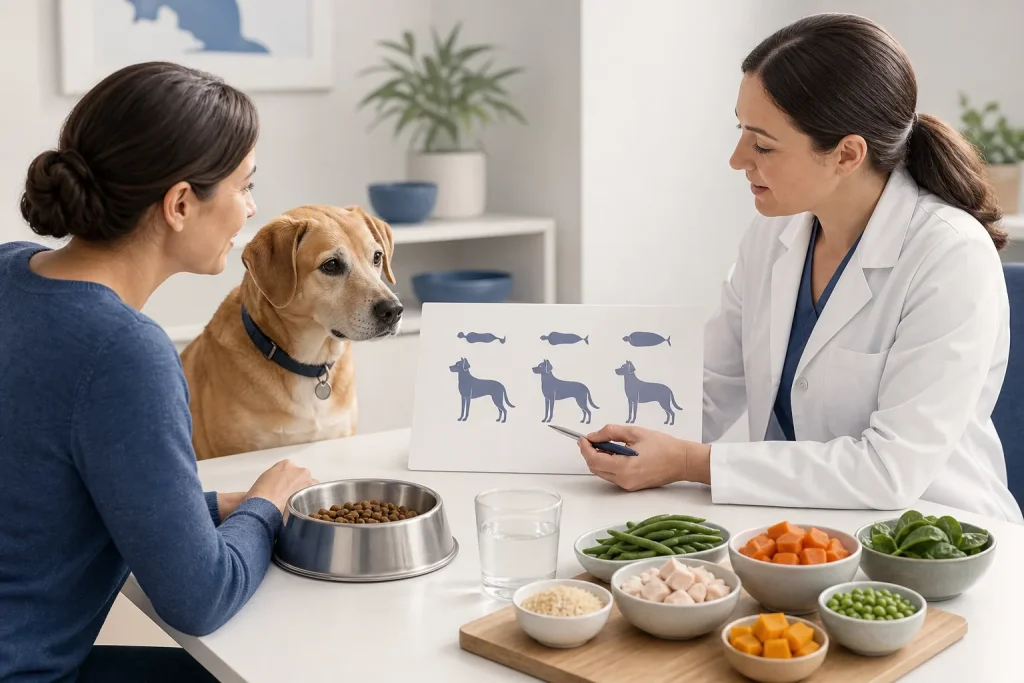
Who this guide is for
Caregivers whose dog may have reduced immune defenses from cancer, marrow disease, corticosteroids, chemotherapy, or another treatment and who need a practical food-hygiene discussion.
Guide summary
Review diet and handling with the veterinary team, reduce preventable pathogen exposure, separate raw-animal-product claims from nutrition goals, and act early when fever or gastrointestinal illness occurs.
Before you start
Tell the team about the full diet, treats, chews, supplements, raw or undercooked animal products, scavenging, hunting, other pets’ food, and household members at higher infection risk. Do not make an abrupt diet change if the dog is already eating poorly without veterinary guidance. If instructions conflict, pause and ask the treating clinic to reconcile them; do not choose the instruction that seems easiest.
Step-by-step guidance
- Ask whether this dog’s diagnosis, blood counts, medicines, and household justify added food precautions.
- Use a nutritionally appropriate diet selected with the veterinarian and store it according to the manufacturer.
- Wash hands and food-contact surfaces; use clean bowls and discard spoiled or long-standing food.
- Avoid cross-contamination between pet food, human food, utensils, and refrigerator surfaces.
- Prevent access to garbage, feces, carrion, prey, stagnant water, and unapproved raw animal products.
- Record appetite and gastrointestinal signs and contact the team at its fever or illness threshold.
What to monitor
Appetite, vomiting, diarrhea, stool blood, fever if instructed, energy, hydration, weight, mouth pain, food tolerance, and current blood-count results. Not every gastrointestinal sign is foodborne, but immunosuppressed patients deserve early assessment. Write observations in neutral terms with date and time. A home log supports clinical decisions but does not authorize a medication change or replace examination, laboratory testing, imaging, or emergency triage.
When to call a veterinarian
Call for fever at the clinic-defined threshold, marked lethargy, repeated vomiting or diarrhea, poor intake, or suspected contaminated-food exposure. Collapse, inability to keep water down, severe weakness, breathing difficulty, or very pale gums requires emergency care. When urgent transport is advised, bring the current medication list and call ahead if that does not delay departure.
Checklist
- Full diet and treat inventory
- Immune-risk review
- Safe storage and bowl routine
- Cross-contamination controls
- Scavenging and raw-product prevention
- Fever and GI escalation plan