Product, Therapy & Care Guides
Step-by-step guides for product use, therapy planning, veterinary conversations, monitoring, surgery recovery, chemotherapy support, comfort care, and long-term observation. Guides answer what to do next; Directory entries explain what each product, drug, herb, or therapy is.

New Lump Appointment: A Calm, Tissue-First Checklist
Document the mass, bring the dog's complete clinical context, ask for an appropriate cell or tissue plan, and leave with written next steps and emergency thresholds.
Read more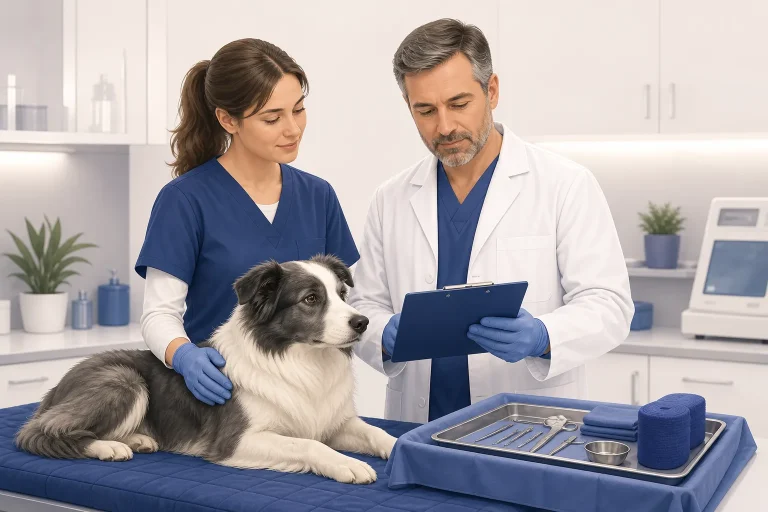
Before Tumor Surgery: Questions That Protect the First Operation
Define the operation's goal, complete decision-changing diagnostics, agree on pathology handling and prepare a realistic anesthesia and recovery plan before consent.
Read more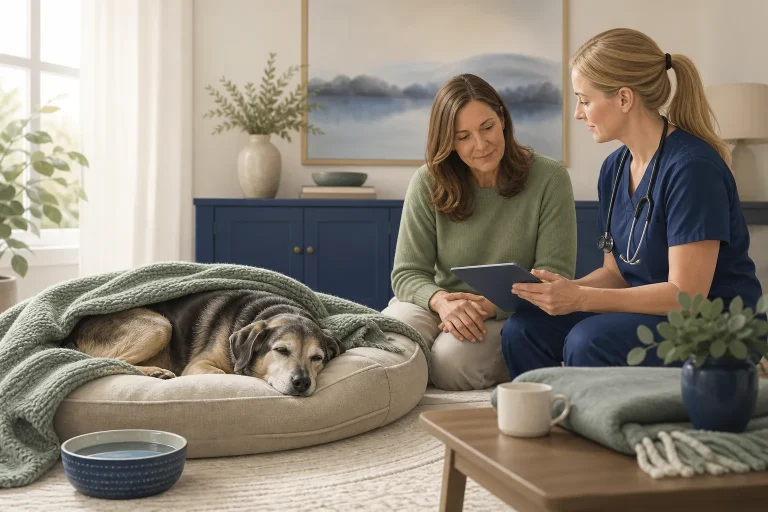
Quality-of-Life Log for Dogs With Cancer
Track the same comfort and function domains daily, review trends with the care team, adjust the plan early and create a crisis plan before an emergency.
Read moreThe First 7 Days After Tumor Surgery: A Recovery Planner
Turn the discharge sheet into a seven-day household plan: one medication owner, protected rest, twice-daily incision observations, an eating and toileting record, and a scheduled pathology follow-up. The…
Read more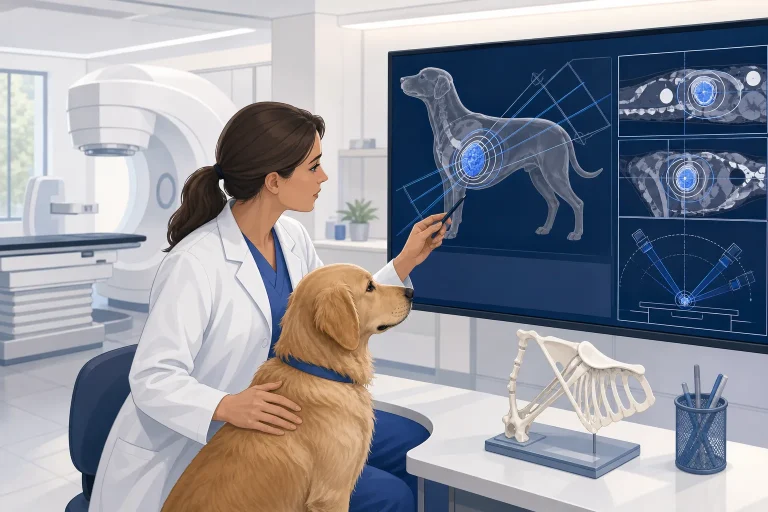
Daily Radiation Visit Planner for Dogs
Radiation plans differ in intent, dose, number of visits, and anesthesia needs. A daily planner reduces missed instructions and helps the team recognize evolving skin, mouth, eye, appetite,…
Read more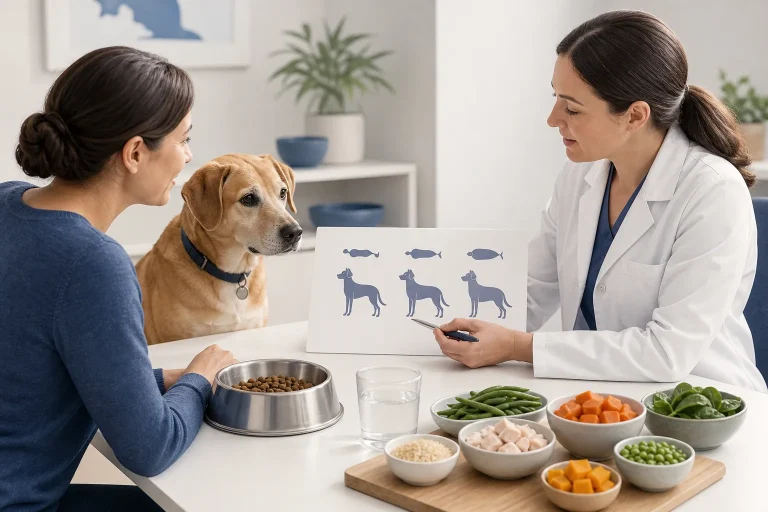
Veterinary Nutrition Consultation Prep for a Dog With Cancer
There is no single cancer diet for every dog. A useful veterinary nutrition consultation starts with accurate intake, body-weight and muscle trends, treatment plan, laboratory findings, symptoms, and…
Read more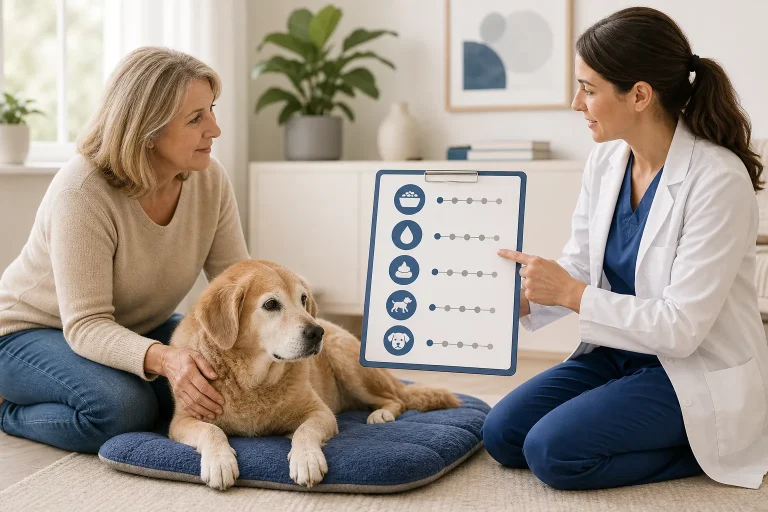
Canine Cancer Emergency Readiness: Build the Plan Before a Crisis
Emergency readiness does not predict that a crisis will occur. It puts the treating clinic’s dog-specific thresholds, safe first actions, transport route, records, payment and decision contacts in…
Read moreMedication and Side-Effect Log for Canine Cancer Care
A medication log prevents double dosing and turns side effects into a usable timeline. It should record what was actually given, not merely the intended schedule, while all…
Read more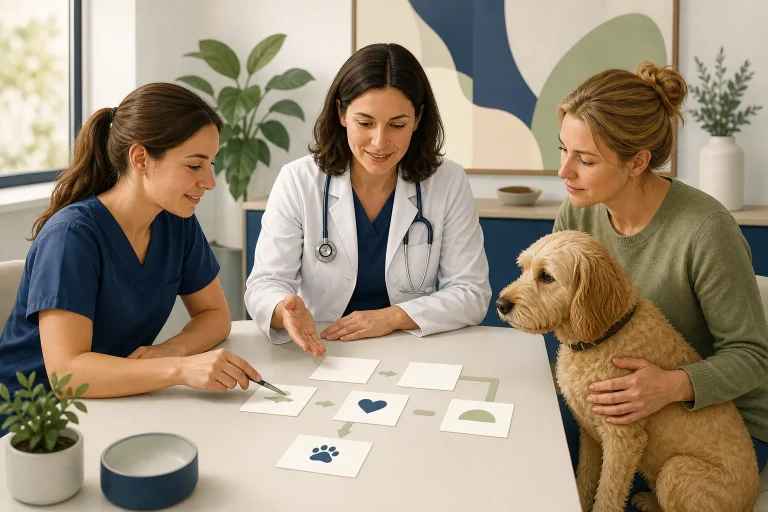
Long-Distance Veterinary Oncology Referral: Records, Travel, and Handoff
A successful referral is more than an appointment. The receiving team needs readable records, original imaging in usable format, pathology reports and sometimes slides or blocks, a current…
Read moreMeasure and Photograph an External Mass: A Repeatable Home Protocol
Use the same landmarks, ruler position, lighting, angles, and schedule so a veterinary team can compare changes without mistaking camera distance or body position for growth.
Read moreWhen a Fine-Needle Aspirate Is Inconclusive: Plan the Next Test
Translate an inconclusive aspirate into a specific question: repeat the sample differently, ask a clinical pathologist to review it, image first, or move to a planned biopsy that…
Read moreBiopsy Day: Preparation, Sample Questions, and Aftercare
Confirm the diagnostic question, anesthesia instructions, sample handling, biopsy-track plan, result pathway, wound care, and emergency thresholds before the dog goes home.
Read more