Canine Gastrointestinal Lymphoma: Chronic Digestive Signs Need Tissue Context
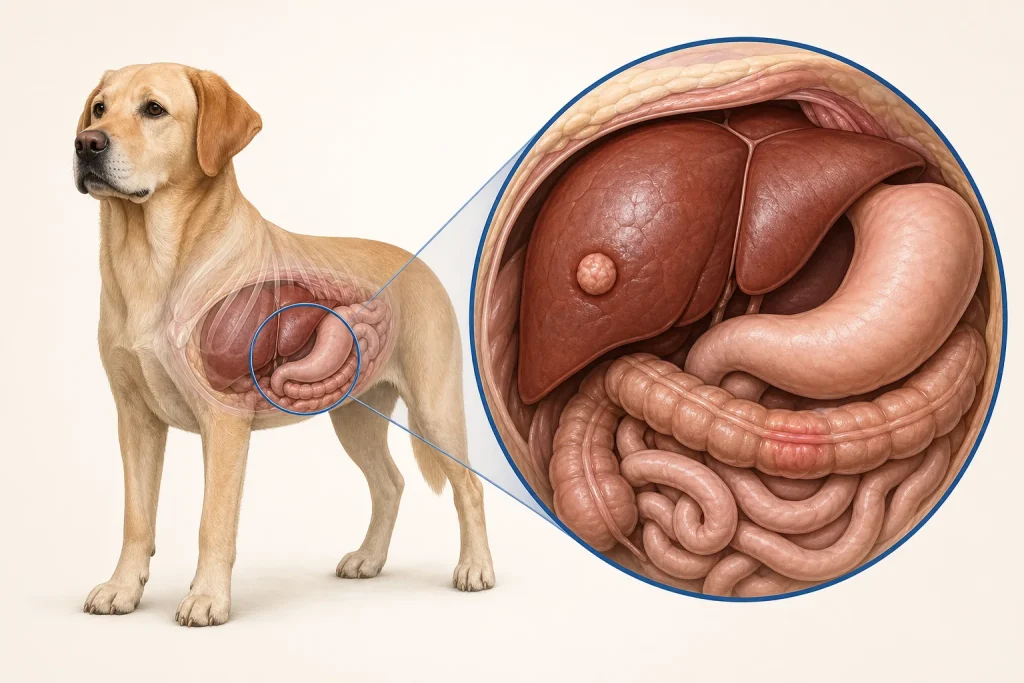
Overview
Gastrointestinal Lymphoma is lymphoid cancer centered in the stomach or intestinal tract rather than primarily in peripheral lymph nodes. It may be focal or diffuse and can resemble inflammatory bowel disease, infection, dietary disease, or other intestinal tumors on symptoms and ultrasound alone.
Common signs
Owners may notice persistent vomiting or diarrhea, reduced appetite, weight loss, black or bloody stool, abdominal discomfort, low protein levels, weakness, or a palpable abdominal mass. None of these signs is specific to gastrointestinal lymphoma, so a veterinary examination and appropriate testing are needed before naming the problem.
Common locations
The stomach, small intestine, colon, mesenteric lymph nodes, liver, and spleen may be evaluated because distribution influences diagnosis and treatment planning. Anatomy affects what can be sampled safely, whether a complete first surgery is realistic, and which nearby function needs protection.
Diagnosis discussion
Bloodwork, fecal testing when indicated, abdominal ultrasound, endoscopic or surgical biopsies, histopathology, immunophenotyping, and clonality testing in selected cases may be discussed. Sample depth and site determine what can be concluded. The diagnostic plan should answer a decision: whether tissue type, local extent, stage, or patient health will change the next option. An imaging impression is not the same as a histologic diagnosis.
Urgency and when to contact a veterinarian
Arrange a prompt veterinary appointment for persistent or progressive signs. Seek urgent veterinary care for any of these signs: repeated vomiting, a painful or enlarging abdomen, black stool with weakness, heavy bleeding, collapse, inability to keep water down, or labored breathing. Call ahead when possible so the receiving team can prepare; do not delay emergency transport to take photographs or complete a log.
Treatment discussion
Systemic therapy is commonly considered once subtype and patient status are clear; surgery may be needed for a focal obstruction, perforation risk, or diagnosis in selected cases. Nutrition, nausea control, hydration, and pain care are coordinated alongside cancer treatment. The team should explain the goal of each option—diagnosis, local control, systemic control, symptom relief, or emergency stabilization—along with likely burdens, costs, travel, rechecks, and alternatives.
Home monitoring
Keep one dated home record of meal intake, vomiting, stool frequency and appearance, abdominal pain, body weight, muscle condition, hydration, energy, fever if instructed, and treatment side effects. Use the same measurement or observation method each time and share trends with the veterinary team. Home tracking supports planned rechecks; it cannot determine grade, margins, or metastasis.
Questions to ask your veterinarian
- Will endoscopic biopsies reach the tissue layer most likely to answer the question?
- Which tests distinguish lymphoma from severe inflammatory disease?
- Is immunophenotyping or another classification test decision-changing?
- What nutrition and dehydration thresholds should trigger same-day contact?