Treatment, Medication & Supplement Directory
A comprehensive encyclopedia of medicines, chemotherapy protocols, targeted and immune therapies, supplements, Chinese herbal formulas, Traditional Chinese Veterinary Medicine (TCVM) approaches, and supportive-care options used or discussed in canine and feline tumor care. Directory entries explain what each option is, where it may fit, its evidence and safety boundaries, and what to discuss with a veterinarian; they are references, not individualized prescriptions or rankings.

Circulating Tumor DNA and Multi-Cancer Blood Tests: Evidence Boundary
Emerging blood-based cancer assays may be discussed for selected questions, but validation, false results, follow-up pathways, and device oversight require careful review.
Read more
Sentinel Lymph Node Mapping Before Node Biopsy or Removal
Sentinel-node mapping aims to identify the first draining node, which may not be the nearest or largest node, before sampling or surgery.
Read moreImage-Guided Tumor Ablation and Embolization: Emerging Veterinary Options
Image-guided local procedures may be discussed at specialist centers for selected tumors, but indications, access, evidence, and follow-up remain technique- and diagnosis-specific.
Read moreElectrochemotherapy: Local Treatment With an Emerging Evidence Base
Electrochemotherapy combines electric pulses with a selected antineoplastic agent to increase local drug uptake and is available only in some veterinary settings.
Read more
Prehabilitation Before Major Cancer Surgery
Prehabilitation prepares selected patients and households for surgery through safe conditioning, pain control, nutrition, equipment, and recovery planning without delaying urgent treatment.
Read moreLimb Swelling and Lymphedema: Measurement and Gentle Management
New swelling after tumor, node surgery, radiation, thrombosis, infection, or immobility needs diagnosis before compression, massage, or exercise is attempted.
Read more
Medicinal Mushroom Extracts: Product-Specific Oncology Evidence
Mushroom products differ by species, extracted fraction, standardization, contaminants, and evidence; the word mushroom does not identify a tested intervention.
Read more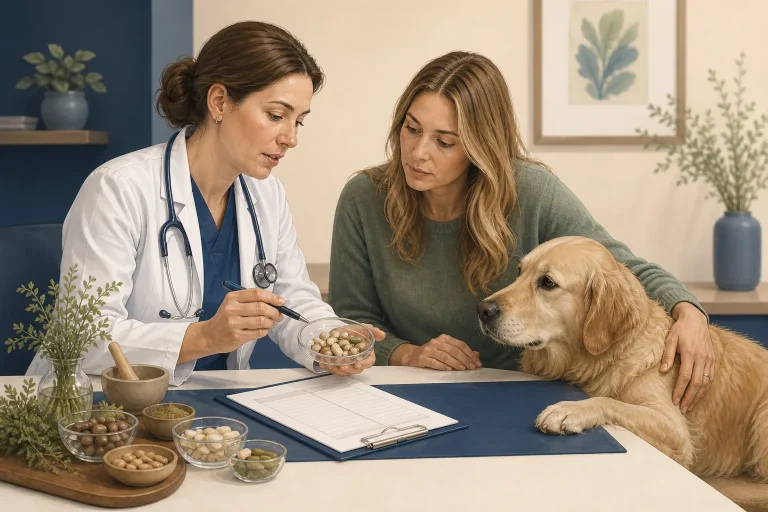
Turmeric and Curcumin: Bioavailability, Interaction, and Evidence Limits
Turmeric and curcumin products vary in extract, concentration, absorption enhancers, and purity, while robust canine cancer outcome evidence is lacking.
Read moreChinese Herbal Formulas: Identification, Quality, and Evidence Review
A named traditional formula can vary by translation, ingredient, species, processing, manufacturer, and practitioner modification, so exact identification comes before benefit or safety claims.
Read more
Yunnan Baiyao-Type Hemostasis Discussion: Preclinical Evidence Is Not Bleeding Control
Yunnan Baiyao is used anecdotally in veterinary bleeding plans, but formulation opacity and limited clinical evidence do not support relying on it to prevent or stop tumor hemorrhage.
Read moreProbiotics and Synbiotics During Cancer Treatment: Strain-Specific Evidence
Probiotic effects are strain-, combination-, product-, storage-, and condition-specific, and immune compromise changes the safety conversation.
Read more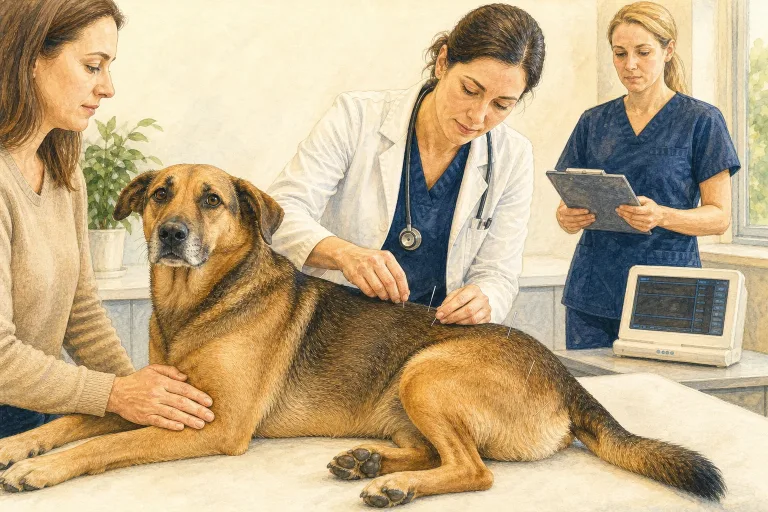
Veterinary Acupuncture in Cancer Support: Symptom-Focused Evidence Boundary
Acupuncture may be discussed as an adjunct for selected pain, nausea, mobility, or wellbeing goals, but veterinary oncology-specific clinical evidence is limited.
Read more