Product, Therapy & Care Guides
Step-by-step guides for product use, therapy planning, veterinary conversations, monitoring, surgery recovery, chemotherapy support, comfort care, and long-term observation. Guides answer what to do next; Directory entries explain what each product, drug, herb, or therapy is.

Prepare for a Veterinary Oncology Consultation
Provide complete records, define practical goals, compare options on the same criteria, and leave with a coordinated written plan. A consultation does not obligate treatment.
Read more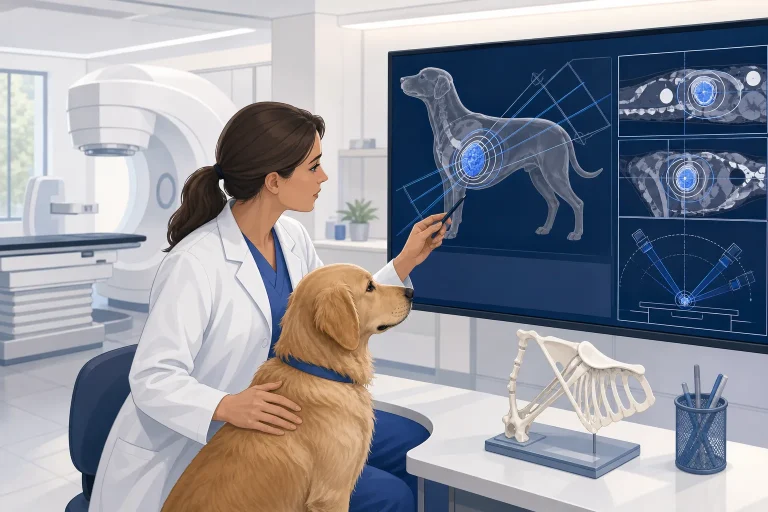
Radiation Therapy Planning: Visits, Anesthesia, Skin Care, and Rechecks
Clarify treatment intent and expected benefit, count every visit and anesthetic event, understand field-specific acute and late effects, and build a written monitoring and logistics plan.
Read moreDaily Radiation Visit Planner for Dogs
Radiation plans differ in intent, dose, number of visits, and anesthesia needs. A daily planner reduces missed instructions and helps the team recognize evolving skin, mouth, eye, appetite,…
Read moreLong-Distance Veterinary Oncology Referral: Records, Travel, and Handoff
A successful referral is more than an appointment. The receiving team needs readable records, original imaging in usable format, pathology reports and sometimes slides or blocks, a current…
Read more
CT or MRI With Anesthesia: An Oncology Preparation Planner
Clarify the imaging question, contrast and anesthesia plan, required records, order of imaging and biopsy, recovery expectations, and who will interpret the study.
Read more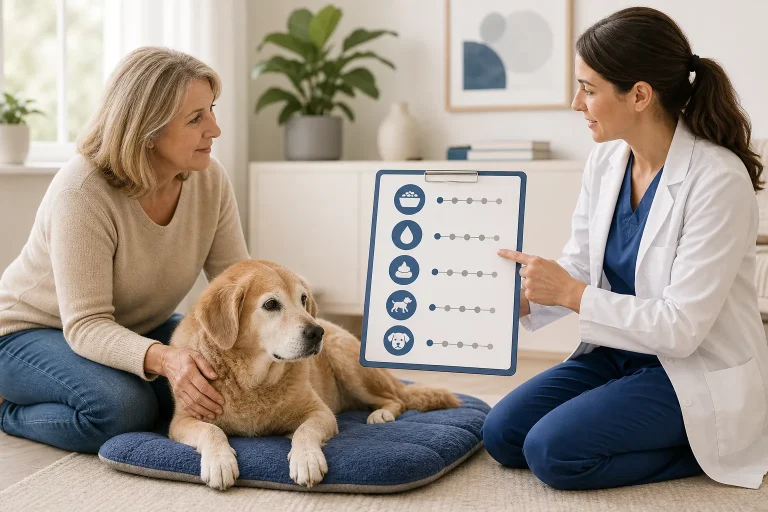
Nausea, Diarrhea, and Hydration During Cancer Treatment: A Trend Log
Record timing, intake, vomiting, stool, urination, comfort, and prescribed supportive medicines so the team can intervene early without unsafe home dosing.
Read moreRadiation Skin and Mouth Effects: A Location-Specific Home Log
Map the treated field, use only approved skin and mouth care, record delayed changes, protect the area from friction and sun as directed, and keep after-treatment contacts active.
Read moreVeterinary Cancer Clinical Trials: A Neutral Question Checklist
Separate research from routine care, obtain the consent document, ask what is known and unknown, and compare the trial with reasonable nontrial options using the dog’s welfare and…
Read moreTreatment Estimate Conversation: Compare Scope, Not Just Totals
Ask each estimate to show its clinical goal, included services, likely extras, decision points, follow-up, complications, payment timing, and lower-burden alternatives without equating price with outcome.
Read moreRecurrence Surveillance: Build a Tumor-Specific Recheck Calendar
Convert pathology, stage, treatment, and the dog’s health into a written calendar of examinations, home observations, laboratory tests, and imaging with a reason for every item.
Read more