Product, Therapy & Care Guides
Step-by-step guides for product use, therapy planning, veterinary conversations, monitoring, surgery recovery, chemotherapy support, comfort care, and long-term observation. Guides answer what to do next; Directory entries explain what each product, drug, herb, or therapy is.
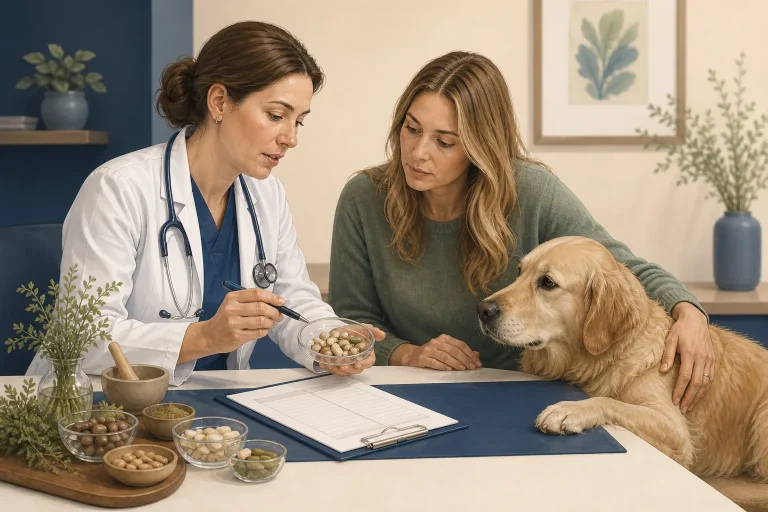
Baituxiao and Other Herbal Supplements: A Vet-Discussion Safety Guide
Verify the exact product and label, disclose it before anesthesia or oncology treatment, separate manufacturer statements from independent evidence, define a safety-monitoring plan and never substitute it for…
Read more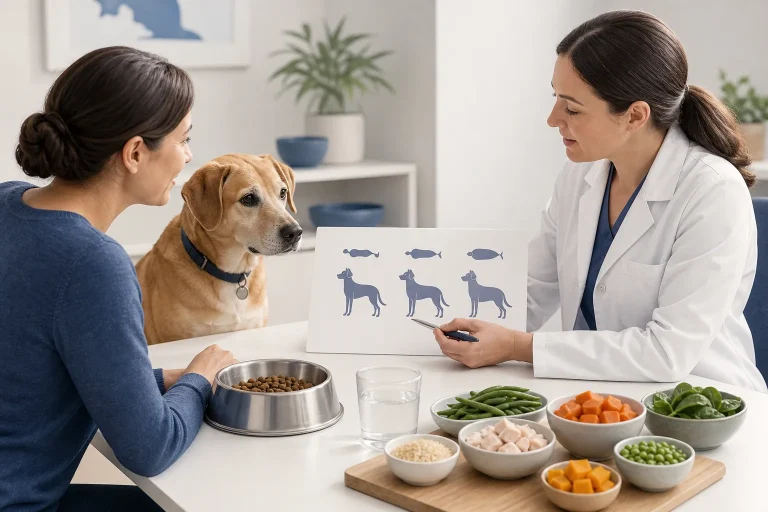
Veterinary Nutrition Consultation Prep for a Dog With Cancer
There is no single cancer diet for every dog. A useful veterinary nutrition consultation starts with accurate intake, body-weight and muscle trends, treatment plan, laboratory findings, symptoms, and…
Read more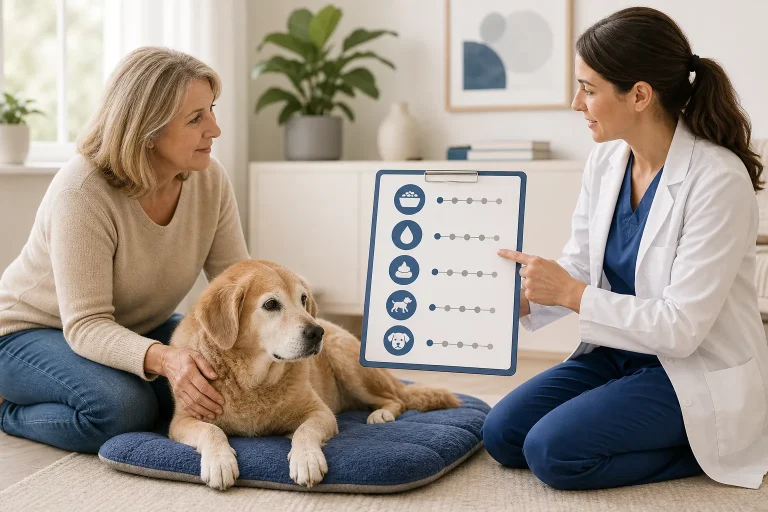
Medication and Side-Effect Log for Canine Cancer Care
A medication log prevents double dosing and turns side effects into a usable timeline. It should record what was actually given, not merely the intended schedule, while all…
Read moreNSAID Safety During Canine Cancer Care: A Monitoring Conversation
Reconcile every medicine, review kidney, liver, gastrointestinal, hydration, and bleeding risks, use one prescriber-led plan, and report adverse signs early.
Read more
Veterinary Cancer Clinical Trials: A Neutral Question Checklist
Separate research from routine care, obtain the consent document, ask what is known and unknown, and compare the trial with reasonable nontrial options using the dog’s welfare and…
Read moreSupplements and Cancer Care: Build a Label-and-Interaction Inventory
Photograph complete labels, record actual use, identify duplicates and uncertain ingredients, and review the inventory with the veterinary team before surgery, anesthesia, radiation, or systemic treatment.
Read moreA Dog Cancer Teleconsultation: Records, Limits, and Local Handoff
Confirm who the service can advise, transfer diagnostic-quality records, define the remote question, arrange a local examining veterinarian, and know what cannot be handled remotely.
Read more