Product, Therapy & Care Guides
Step-by-step guides for product use, therapy planning, veterinary conversations, monitoring, surgery recovery, chemotherapy support, comfort care, and long-term observation. Guides answer what to do next; Directory entries explain what each product, drug, herb, or therapy is.
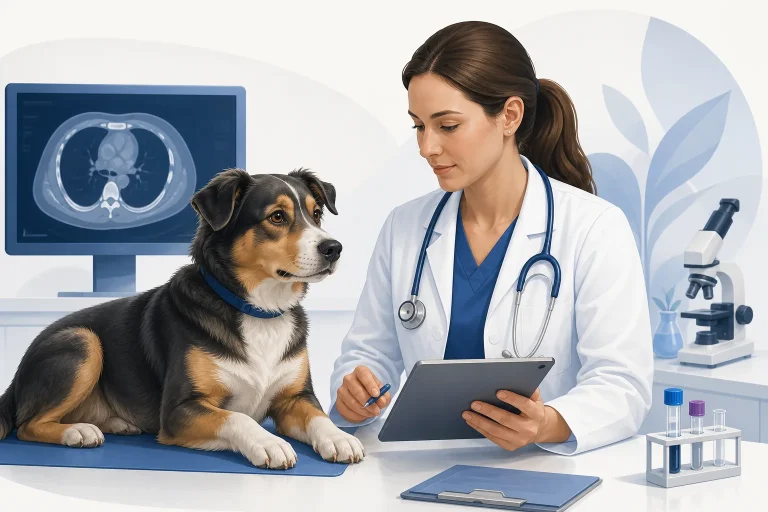
New Lump Appointment: A Calm, Tissue-First Checklist
Document the mass, bring the dog's complete clinical context, ask for an appropriate cell or tissue plan, and leave with written next steps and emergency thresholds.
Read more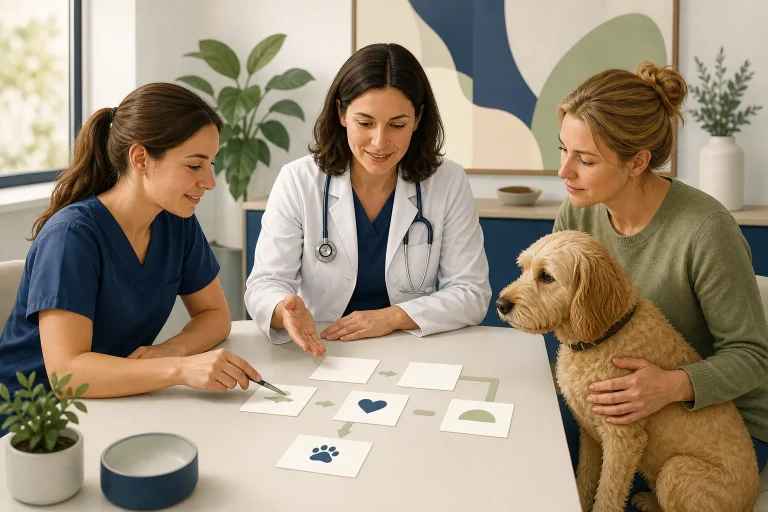
Prepare for a Veterinary Oncology Consultation
Provide complete records, define practical goals, compare options on the same criteria, and leave with a coordinated written plan. A consultation does not obligate treatment.
Read more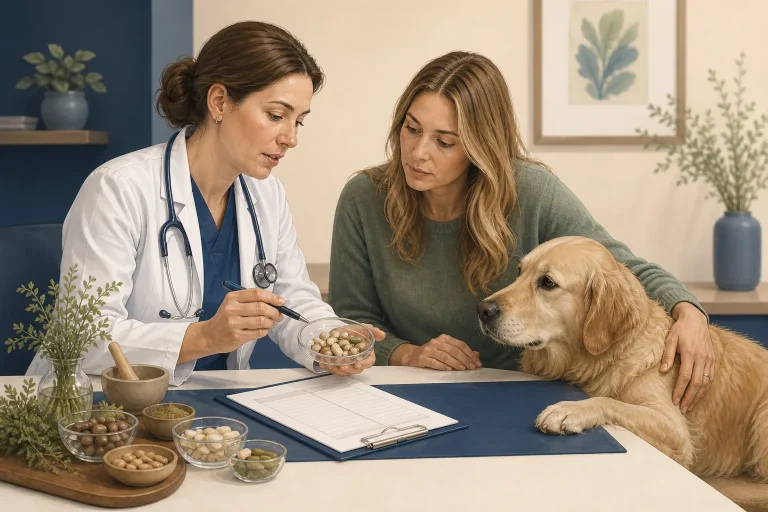
Baituxiao and Other Herbal Supplements: A Vet-Discussion Safety Guide
Verify the exact product and label, disclose it before anesthesia or oncology treatment, separate manufacturer statements from independent evidence, define a safety-monitoring plan and never substitute it for…
Read more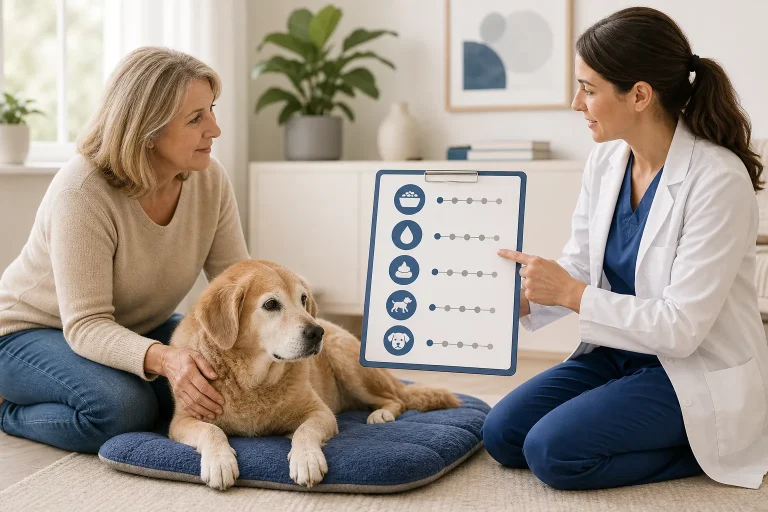
Cancer Pain Conversation: Observe Function, Not Just Vocalization
Dogs may show pain through changed function rather than crying. A useful conversation connects a specific behavior with timing, activity, tumor site, treatment, and medication response so the…
Read moreCanine Cancer Emergency Readiness: Build the Plan Before a Crisis
Emergency readiness does not predict that a crisis will occur. It puts the treating clinic’s dog-specific thresholds, safe first actions, transport route, records, payment and decision contacts in…
Read moreLong-Distance Veterinary Oncology Referral: Records, Travel, and Handoff
A successful referral is more than an appointment. The receiving team needs readable records, original imaging in usable format, pathology reports and sometimes slides or blocks, a current…
Read moreMeasure and Photograph an External Mass: A Repeatable Home Protocol
Use the same landmarks, ruler position, lighting, angles, and schedule so a veterinary team can compare changes without mistaking camera distance or body position for growth.
Read moreWhen a Fine-Needle Aspirate Is Inconclusive: Plan the Next Test
Translate an inconclusive aspirate into a specific question: repeat the sample differently, ask a clinical pathologist to review it, image first, or move to a planned biopsy that…
Read more
Biopsy Day: Preparation, Sample Questions, and Aftercare
Confirm the diagnostic question, anesthesia instructions, sample handling, biopsy-track plan, result pathway, wound care, and emergency thresholds before the dog goes home.
Read morePathology Second Review: Slides, Blocks, Questions, and Timing
Organize the complete report, slides or digital images, paraffin blocks when requested, clinical history, imaging, and a focused review question without implying that every case needs a second…
Read moreCancer Staging Tests: A Decision-Impact Workbook
Ask what each staging test is looking for, how accurate it is for this tumor, and exactly how a positive, negative, or uncertain result would change treatment or…
Read moreRegional Lymph-Node Sampling: Questions Beyond Node Size
Identify the true draining node, ask whether it should be sampled even when normal in size, and plan cytology or biopsy around the decision it must support.
Read more