Product, Therapy & Care Guides
Step-by-step guides for product use, therapy planning, veterinary conversations, monitoring, surgery recovery, chemotherapy support, comfort care, and long-term observation. Guides answer what to do next; Directory entries explain what each product, drug, herb, or therapy is.

New Lump Appointment: A Calm, Tissue-First Checklist
Document the mass, bring the dog's complete clinical context, ask for an appropriate cell or tissue plan, and leave with written next steps and emergency thresholds.
Read more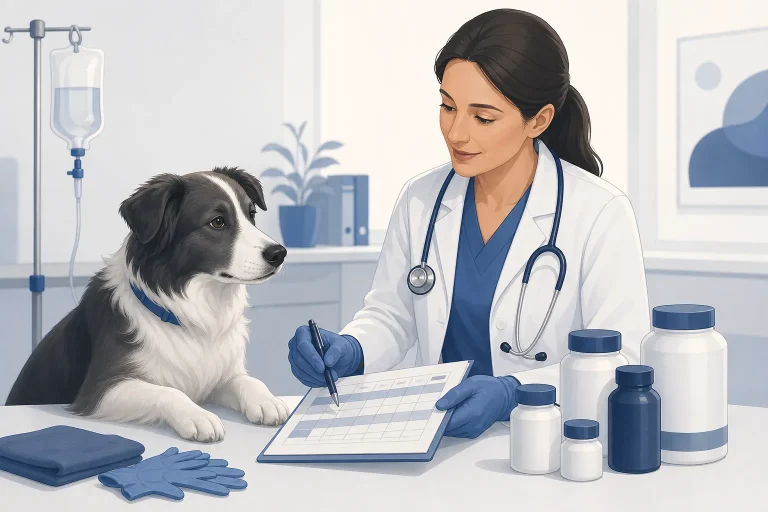
Chemotherapy at Home: Side-Effect and Handling Checklist
Keep a daily symptom and medication log, follow drug-specific exposure precautions, complete scheduled laboratory monitoring, and use agreed call thresholds early.
Read more
Quality-of-Life Log for Dogs With Cancer
Track the same comfort and function domains daily, review trends with the care team, adjust the plan early and create a crisis plan before an emergency.
Read moreChemotherapy-Day Logistics: From Check-In to the Next Morning
A chemotherapy visit works best when owners follow the clinic’s food and medication instructions, report changes before treatment, and leave with written handling precautions and a symptom threshold.…
Read more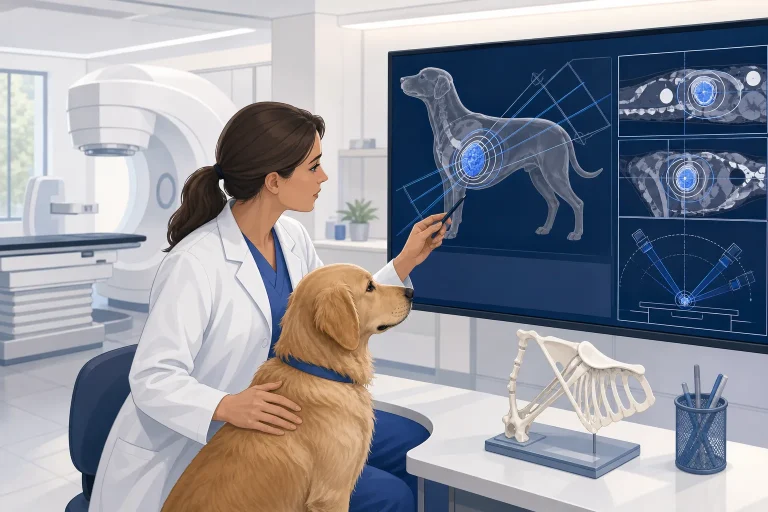
Targeted Cancer Medicine Safety: A Shared Monitoring Plan
Targeted does not mean side-effect free. The prescribing veterinarian and current product labeling determine dose, schedule, handling, drug interactions, laboratory testing, and whether to hold a dose; this…
Read more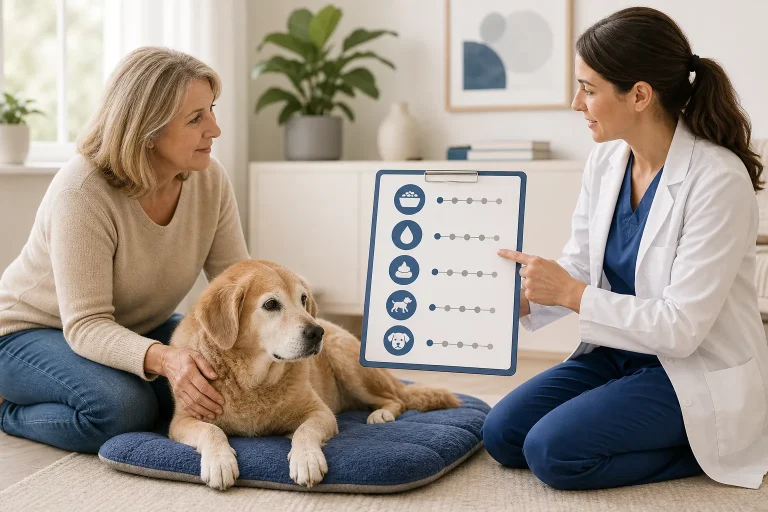
Medication and Side-Effect Log for Canine Cancer Care
A medication log prevents double dosing and turns side effects into a usable timeline. It should record what was actually given, not merely the intended schedule, while all…
Read moreMeasure and Photograph an External Mass: A Repeatable Home Protocol
Use the same landmarks, ruler position, lighting, angles, and schedule so a veterinary team can compare changes without mistaking camera distance or body position for growth.
Read moreNeutropenia and Fever During Chemotherapy: Build the Action Plan
Know the expected risk window, the prescribed blood-count schedule, how to measure temperature only if trained, and where to go when fever and illness suggest possible infection.
Read moreNausea, Diarrhea, and Hydration During Cancer Treatment: A Trend Log
Record timing, intake, vomiting, stool, urination, comfort, and prescribed supportive medicines so the team can intervene early without unsafe home dosing.
Read moreRadiation Skin and Mouth Effects: A Location-Specific Home Log
Map the treated field, use only approved skin and mouth care, record delayed changes, protect the area from friction and sun as directed, and keep after-treatment contacts active.
Read moreNSAID Safety During Canine Cancer Care: A Monitoring Conversation
Reconcile every medicine, review kidney, liver, gastrointestinal, hydration, and bleeding risks, use one prescriber-led plan, and report adverse signs early.
Read morePalliative Crisis Plan: Prepare the Home-to-Hospital Handoff
Name likely crises, define home observations and limits, identify emergency and euthanasia pathways, prepare transport, and make decisions before distress narrows the available choices.
Read more