Product, Therapy & Care Guides
Step-by-step guides for product use, therapy planning, veterinary conversations, monitoring, surgery recovery, chemotherapy support, comfort care, and long-term observation. Guides answer what to do next; Directory entries explain what each product, drug, herb, or therapy is.
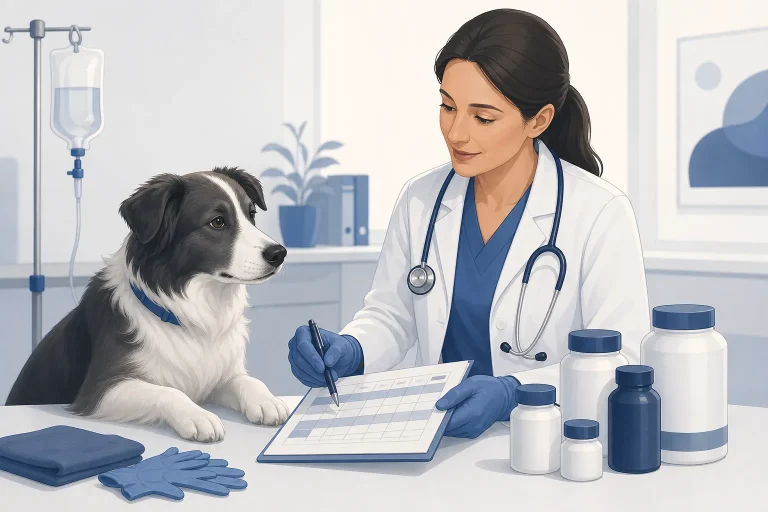
Chemotherapy at Home: Side-Effect and Handling Checklist
Keep a daily symptom and medication log, follow drug-specific exposure precautions, complete scheduled laboratory monitoring, and use agreed call thresholds early.
Read moreChemotherapy-Day Logistics: From Check-In to the Next Morning
A chemotherapy visit works best when owners follow the clinic’s food and medication instructions, report changes before treatment, and leave with written handling precautions and a symptom threshold.…
Read more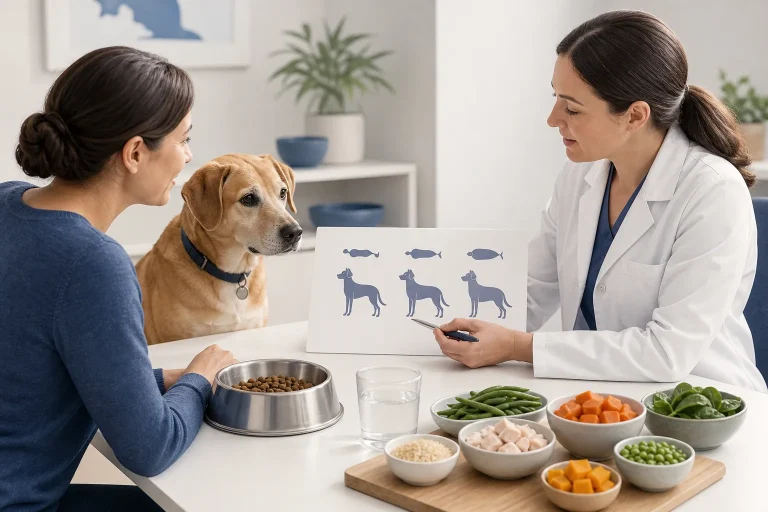
Veterinary Nutrition Consultation Prep for a Dog With Cancer
There is no single cancer diet for every dog. A useful veterinary nutrition consultation starts with accurate intake, body-weight and muscle trends, treatment plan, laboratory findings, symptoms, and…
Read more
Long-Distance Veterinary Oncology Referral: Records, Travel, and Handoff
A successful referral is more than an appointment. The receiving team needs readable records, original imaging in usable format, pathology reports and sometimes slides or blocks, a current…
Read more
When a Fine-Needle Aspirate Is Inconclusive: Plan the Next Test
Translate an inconclusive aspirate into a specific question: repeat the sample differently, ask a clinical pathologist to review it, image first, or move to a planned biopsy that…
Read morePathology Second Review: Slides, Blocks, Questions, and Timing
Organize the complete report, slides or digital images, paraffin blocks when requested, clinical history, imaging, and a focused review question without implying that every case needs a second…
Read moreCancer Staging Tests: A Decision-Impact Workbook
Ask what each staging test is looking for, how accurate it is for this tumor, and exactly how a positive, negative, or uncertain result would change treatment or…
Read moreRegional Lymph-Node Sampling: Questions Beyond Node Size
Identify the true draining node, ask whether it should be sampled even when normal in size, and plan cytology or biopsy around the decision it must support.
Read moreNeutropenia and Fever During Chemotherapy: Build the Action Plan
Know the expected risk window, the prescribed blood-count schedule, how to measure temperature only if trained, and where to go when fever and illness suggest possible infection.
Read more