Product, Therapy & Care Guides
Step-by-step guides for product use, therapy planning, veterinary conversations, monitoring, surgery recovery, chemotherapy support, comfort care, and long-term observation. Guides answer what to do next; Directory entries explain what each product, drug, herb, or therapy is.
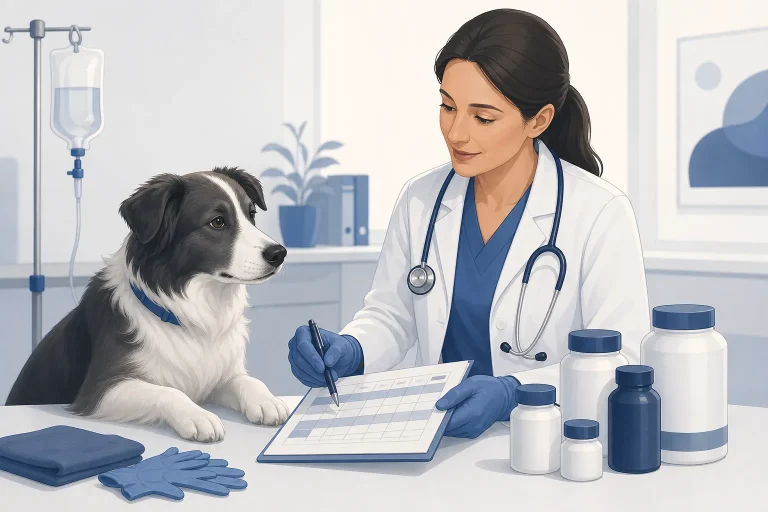
Chemotherapy at Home: Side-Effect and Handling Checklist
Keep a daily symptom and medication log, follow drug-specific exposure precautions, complete scheduled laboratory monitoring, and use agreed call thresholds early.
Read moreChemotherapy-Day Logistics: From Check-In to the Next Morning
A chemotherapy visit works best when owners follow the clinic’s food and medication instructions, report changes before treatment, and leave with written handling precautions and a symptom threshold.…
Read more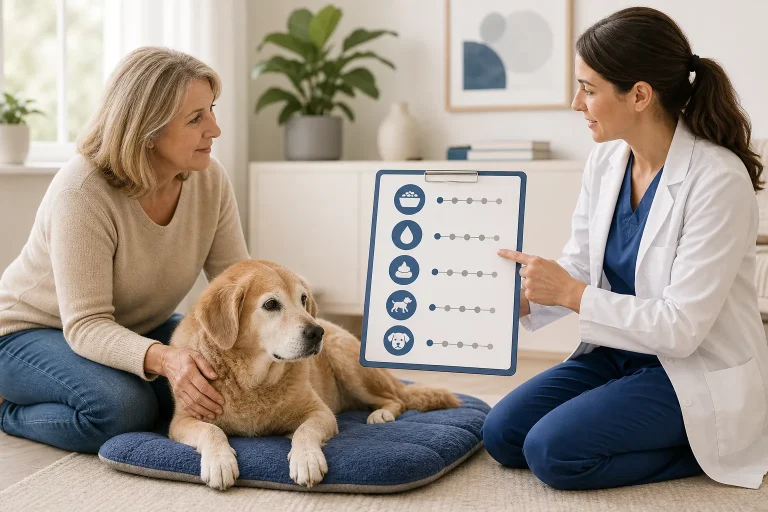
Canine Cancer Emergency Readiness: Build the Plan Before a Crisis
Emergency readiness does not predict that a crisis will occur. It puts the treating clinic’s dog-specific thresholds, safe first actions, transport route, records, payment and decision contacts in…
Read more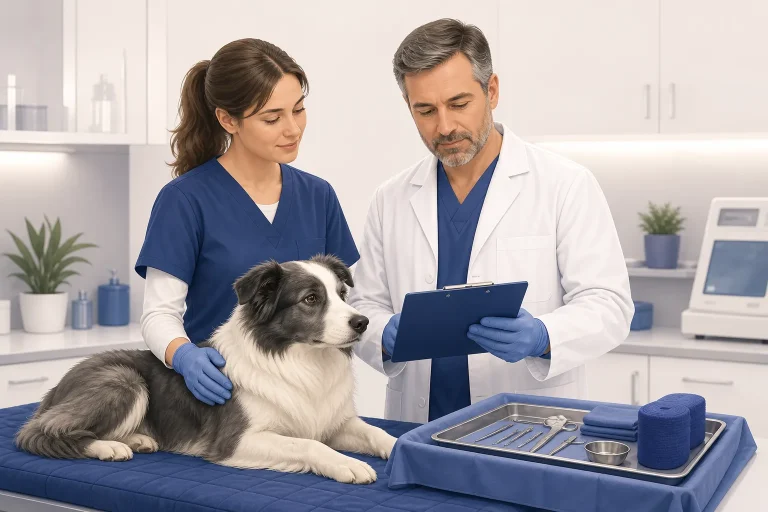
Wound Opening or Infection After Tumor Surgery: An Escalation Guide
Compare the incision with its baseline, protect it from licking and contamination, contact the surgical team early, and avoid home products that interfere with examination or healing.
Read moreNeutropenia and Fever During Chemotherapy: Build the Action Plan
Know the expected risk window, the prescribed blood-count schedule, how to measure temperature only if trained, and where to go when fever and illness suggest possible infection.
Read moreUrinary Obstruction Risk With a Tumor: A Home-to-Emergency Plan
Track actual urine passage rather than attempts alone, recognize complete obstruction as an emergency, and know the designated hospital and current diagnostic and treatment plan.
Read moreBleeding Tumor Episodes: Record, Protect, and Escalate Safely
Distinguish surface oozing from systemic or internal-bleeding signs, use only clinic-approved first aid, prepare transport, and document patterns without delaying emergency care.
Read more