Product, Therapy & Care Guides
Step-by-step guides for product use, therapy planning, veterinary conversations, monitoring, surgery recovery, chemotherapy support, comfort care, and long-term observation. Guides answer what to do next; Directory entries explain what each product, drug, herb, or therapy is.

New Lump Appointment: A Calm, Tissue-First Checklist
Document the mass, bring the dog's complete clinical context, ask for an appropriate cell or tissue plan, and leave with written next steps and emergency thresholds.
Read more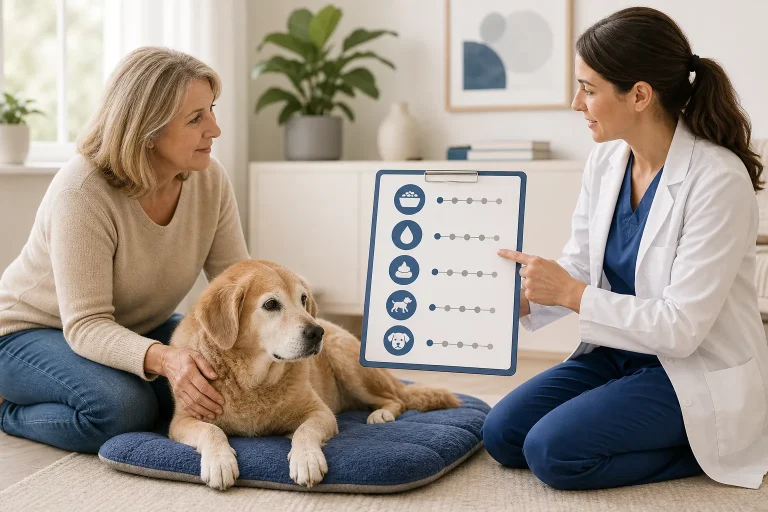
Cancer Pain Conversation: Observe Function, Not Just Vocalization
Dogs may show pain through changed function rather than crying. A useful conversation connects a specific behavior with timing, activity, tumor site, treatment, and medication response so the…
Read moreCanine Cancer Emergency Readiness: Build the Plan Before a Crisis
Emergency readiness does not predict that a crisis will occur. It puts the treating clinic’s dog-specific thresholds, safe first actions, transport route, records, payment and decision contacts in…
Read moreBefore Lymphoma Sampling: Discuss Corticosteroids and Diagnostic Timing
Tell the team about every steroid exposure before sampling; balance urgent symptom control with the possibility that treatment can alter cytology, histology, immunophenotyping, or later response.
Read more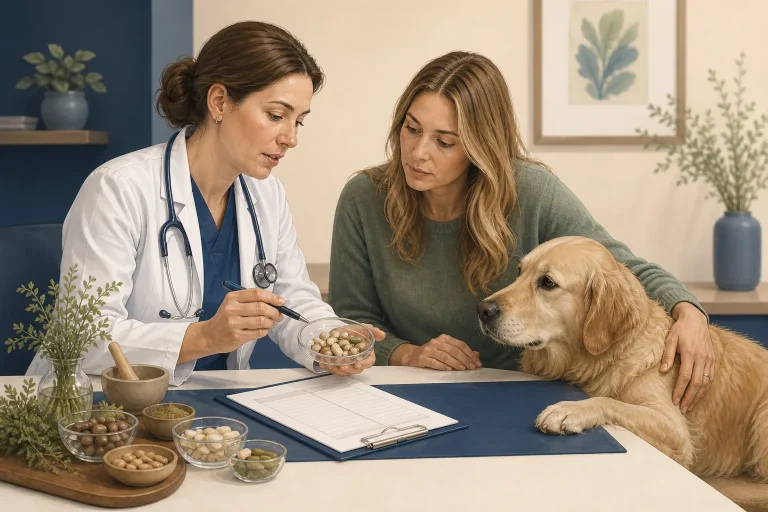
Supplements and Cancer Care: Build a Label-and-Interaction Inventory
Photograph complete labels, record actual use, identify duplicates and uncertain ingredients, and review the inventory with the veterinary team before surgery, anesthesia, radiation, or systemic treatment.
Read moreRecurrence Surveillance: Build a Tumor-Specific Recheck Calendar
Convert pathology, stage, treatment, and the dog’s health into a written calendar of examinations, home observations, laboratory tests, and imaging with a reason for every item.
Read more