Product, Therapy & Care Guides
Step-by-step guides for product use, therapy planning, veterinary conversations, monitoring, surgery recovery, chemotherapy support, comfort care, and long-term observation. Guides answer what to do next; Directory entries explain what each product, drug, herb, or therapy is.

Prepare for a Veterinary Oncology Consultation
Provide complete records, define practical goals, compare options on the same criteria, and leave with a coordinated written plan. A consultation does not obligate treatment.
Read more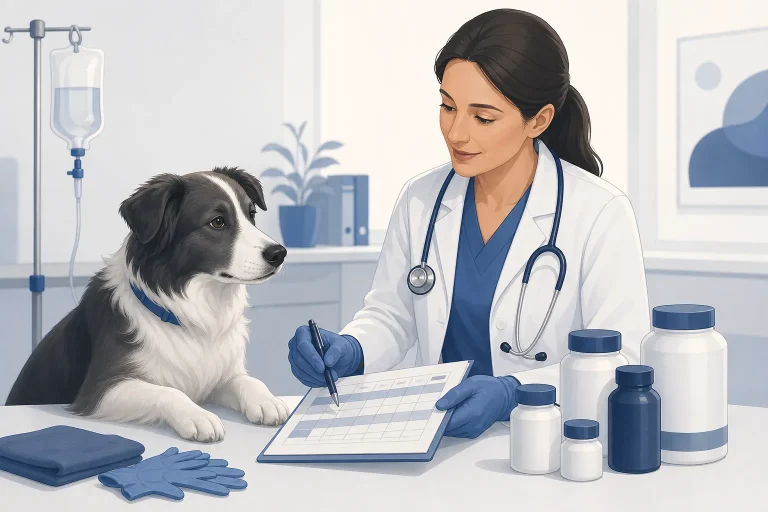
Chemotherapy at Home: Side-Effect and Handling Checklist
Keep a daily symptom and medication log, follow drug-specific exposure precautions, complete scheduled laboratory monitoring, and use agreed call thresholds early.
Read more
Quality-of-Life Log for Dogs With Cancer
Track the same comfort and function domains daily, review trends with the care team, adjust the plan early and create a crisis plan before an emergency.
Read moreChemotherapy-Day Logistics: From Check-In to the Next Morning
A chemotherapy visit works best when owners follow the clinic’s food and medication instructions, report changes before treatment, and leave with written handling precautions and a symptom threshold.…
Read more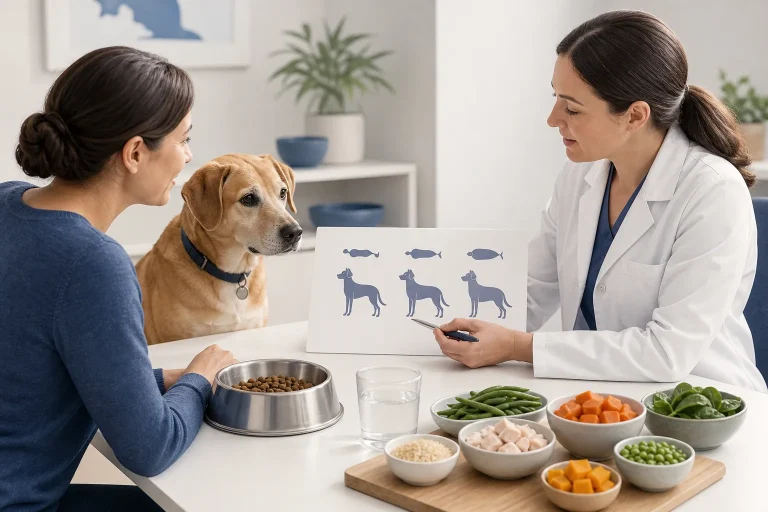
Veterinary Nutrition Consultation Prep for a Dog With Cancer
There is no single cancer diet for every dog. A useful veterinary nutrition consultation starts with accurate intake, body-weight and muscle trends, treatment plan, laboratory findings, symptoms, and…
Read more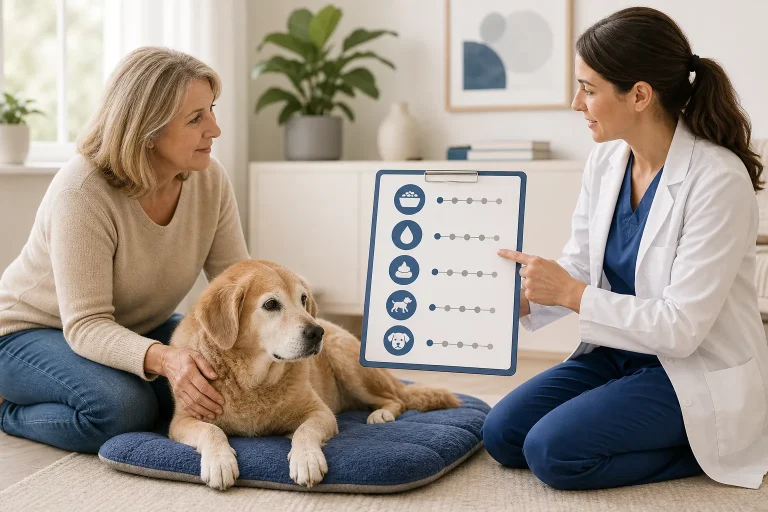
Canine Cancer Emergency Readiness: Build the Plan Before a Crisis
Emergency readiness does not predict that a crisis will occur. It puts the treating clinic’s dog-specific thresholds, safe first actions, transport route, records, payment and decision contacts in…
Read moreMedication and Side-Effect Log for Canine Cancer Care
A medication log prevents double dosing and turns side effects into a usable timeline. It should record what was actually given, not merely the intended schedule, while all…
Read moreLong-Distance Veterinary Oncology Referral: Records, Travel, and Handoff
A successful referral is more than an appointment. The receiving team needs readable records, original imaging in usable format, pathology reports and sometimes slides or blocks, a current…
Read more
Before Lymphoma Sampling: Discuss Corticosteroids and Diagnostic Timing
Tell the team about every steroid exposure before sampling; balance urgent symptom control with the possibility that treatment can alter cytology, histology, immunophenotyping, or later response.
Read moreNSAID Safety During Canine Cancer Care: A Monitoring Conversation
Reconcile every medicine, review kidney, liver, gastrointestinal, hydration, and bleeding risks, use one prescriber-led plan, and report adverse signs early.
Read morePalliative Crisis Plan: Prepare the Home-to-Hospital Handoff
Name likely crises, define home observations and limits, identify emergency and euthanasia pathways, prepare transport, and make decisions before distress narrows the available choices.
Read morePlanning a Peaceful Euthanasia Conversation Before a Crisis
Use observed quality-of-life trends and the veterinarian’s medical assessment to define unacceptable suffering, practical options, and a compassionate plan without presenting a score as an automatic decision.
Read more