Product, Therapy & Care Guides
Step-by-step guides for product use, therapy planning, veterinary conversations, monitoring, surgery recovery, chemotherapy support, comfort care, and long-term observation. Guides answer what to do next; Directory entries explain what each product, drug, herb, or therapy is.

Prepare for a Veterinary Oncology Consultation
Provide complete records, define practical goals, compare options on the same criteria, and leave with a coordinated written plan. A consultation does not obligate treatment.
Read more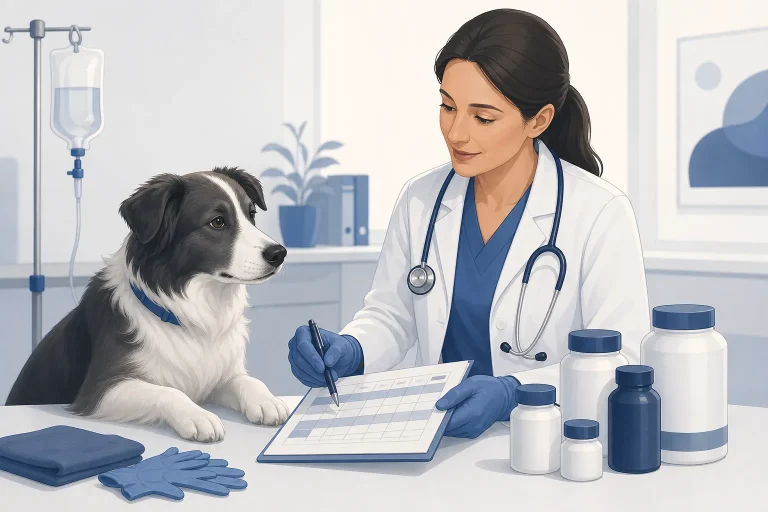
Palladia Companion Guide: Safe Home Handling and Monitoring
Handle intact tablets as a hazardous antineoplastic, record every dose and gastrointestinal or mobility change, complete scheduled exams and laboratory tests, and obey stop-and-call instructions.
Read more
Quality-of-Life Log for Dogs With Cancer
Track the same comfort and function domains daily, review trends with the care team, adjust the plan early and create a crisis plan before an emergency.
Read more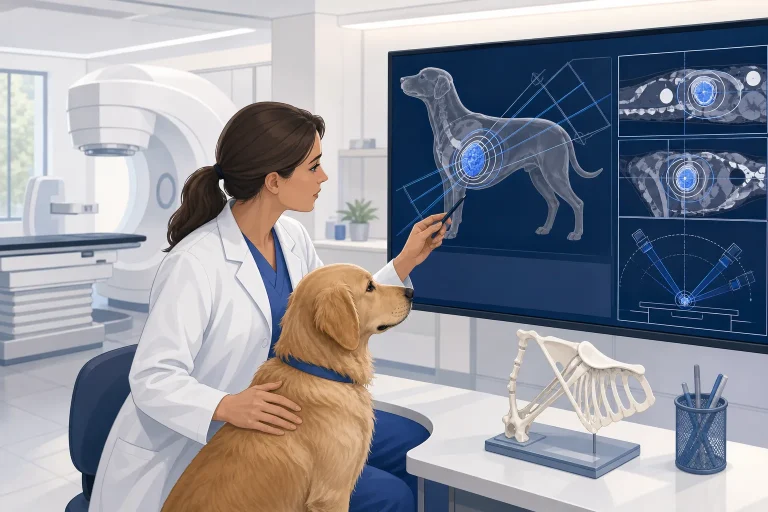
Targeted Cancer Medicine Safety: A Shared Monitoring Plan
Targeted does not mean side-effect free. The prescribing veterinarian and current product labeling determine dose, schedule, handling, drug interactions, laboratory testing, and whether to hold a dose; this…
Read more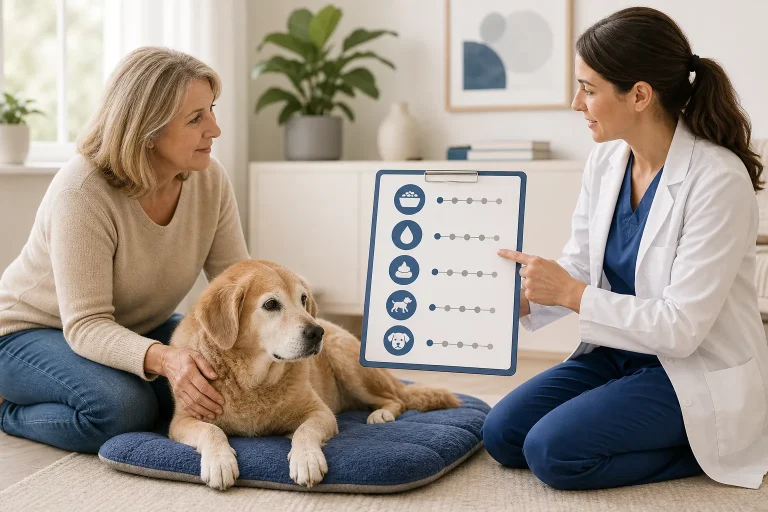
Cancer Pain Conversation: Observe Function, Not Just Vocalization
Dogs may show pain through changed function rather than crying. A useful conversation connects a specific behavior with timing, activity, tumor site, treatment, and medication response so the…
Read more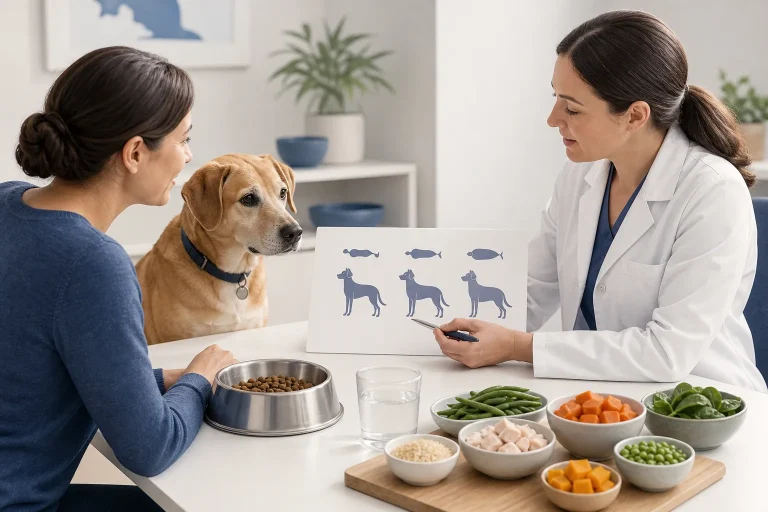
Veterinary Nutrition Consultation Prep for a Dog With Cancer
There is no single cancer diet for every dog. A useful veterinary nutrition consultation starts with accurate intake, body-weight and muscle trends, treatment plan, laboratory findings, symptoms, and…
Read more
Weekly Quality-of-Life Review: Trends, Tradeoffs, and Next Decisions
Quality of life is a pattern, not one score. Daily notes become useful when the family and veterinary team review comfort, breathing, eating, hydration, mobility, toileting, interaction, sleep,…
Read moreCanine Cancer Emergency Readiness: Build the Plan Before a Crisis
Emergency readiness does not predict that a crisis will occur. It puts the treating clinic’s dog-specific thresholds, safe first actions, transport route, records, payment and decision contacts in…
Read moreMedication and Side-Effect Log for Canine Cancer Care
A medication log prevents double dosing and turns side effects into a usable timeline. It should record what was actually given, not merely the intended schedule, while all…
Read moreNausea, Diarrhea, and Hydration During Cancer Treatment: A Trend Log
Record timing, intake, vomiting, stool, urination, comfort, and prescribed supportive medicines so the team can intervene early without unsafe home dosing.
Read moreTargeted Therapy: Blood Pressure, Urine, and Laboratory Monitoring Map
Turn the prescriber’s safety plan into one calendar and distinguish clinic measurements from home observations without changing treatment independently.
Read moreNSAID Safety During Canine Cancer Care: A Monitoring Conversation
Reconcile every medicine, review kidney, liver, gastrointestinal, hydration, and bleeding risks, use one prescriber-led plan, and report adverse signs early.
Read more