Product, Therapy & Care Guides
Step-by-step guides for product use, therapy planning, veterinary conversations, monitoring, surgery recovery, chemotherapy support, comfort care, and long-term observation. Guides answer what to do next; Directory entries explain what each product, drug, herb, or therapy is.

New Lump Appointment: A Calm, Tissue-First Checklist
Document the mass, bring the dog's complete clinical context, ask for an appropriate cell or tissue plan, and leave with written next steps and emergency thresholds.
Read more
Palladia Companion Guide: Safe Home Handling and Monitoring
Handle intact tablets as a hazardous antineoplastic, record every dose and gastrointestinal or mobility change, complete scheduled exams and laboratory tests, and obey stop-and-call instructions.
Read more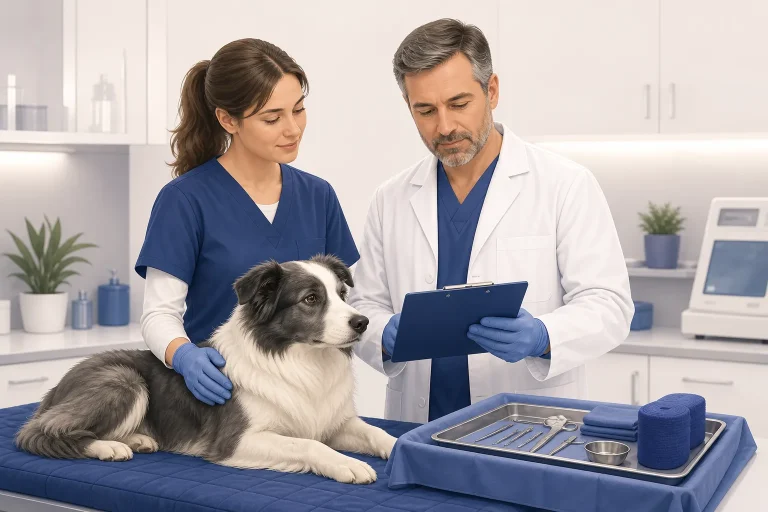
The First 7 Days After Tumor Surgery: A Recovery Planner
Turn the discharge sheet into a seven-day household plan: one medication owner, protected rest, twice-daily incision observations, an eating and toileting record, and a scheduled pathology follow-up. The…
Read more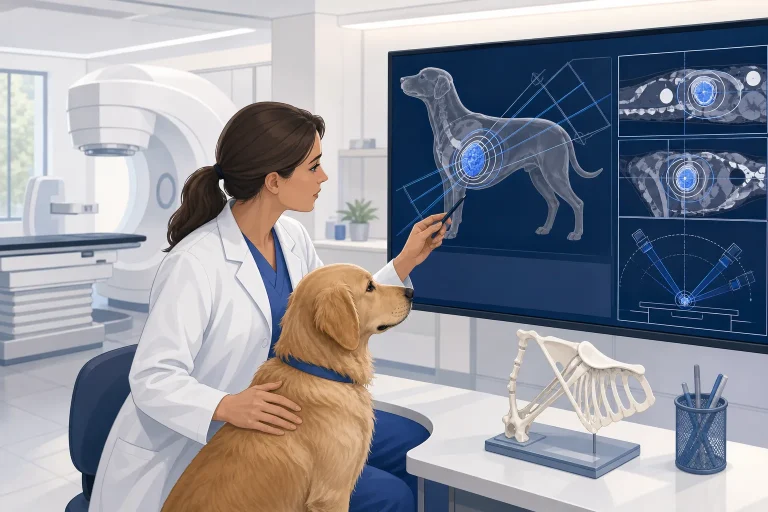
Targeted Cancer Medicine Safety: A Shared Monitoring Plan
Targeted does not mean side-effect free. The prescribing veterinarian and current product labeling determine dose, schedule, handling, drug interactions, laboratory testing, and whether to hold a dose; this…
Read more
Medication and Side-Effect Log for Canine Cancer Care
A medication log prevents double dosing and turns side effects into a usable timeline. It should record what was actually given, not merely the intended schedule, while all…
Read moreMeasure and Photograph an External Mass: A Repeatable Home Protocol
Use the same landmarks, ruler position, lighting, angles, and schedule so a veterinary team can compare changes without mistaking camera distance or body position for growth.
Read more
After Limb Amputation: Prepare the Home Before Discharge
Create nonslip routes, safe toileting and lifting plans, controlled access, incision protection, pain observation, and scheduled reassessment of the remaining limbs.
Read moreAfter Splenectomy: Recovery and Internal-Bleeding Red Flags
Monitor incision, comfort, appetite, breathing, gum color, abdominal size, rhythm-related weakness, and pathology follow-up without assuming every splenic mass has the same diagnosis.
Read moreUrinary Obstruction Risk With a Tumor: A Home-to-Emergency Plan
Track actual urine passage rather than attempts alone, recognize complete obstruction as an emergency, and know the designated hospital and current diagnostic and treatment plan.
Read moreBleeding Tumor Episodes: Record, Protect, and Escalate Safely
Distinguish surface oozing from systemic or internal-bleeding signs, use only clinic-approved first aid, prepare transport, and document patterns without delaying emergency care.
Read more