Product, Therapy & Care Guides
Step-by-step guides for product use, therapy planning, veterinary conversations, monitoring, surgery recovery, chemotherapy support, comfort care, and long-term observation. Guides answer what to do next; Directory entries explain what each product, drug, herb, or therapy is.
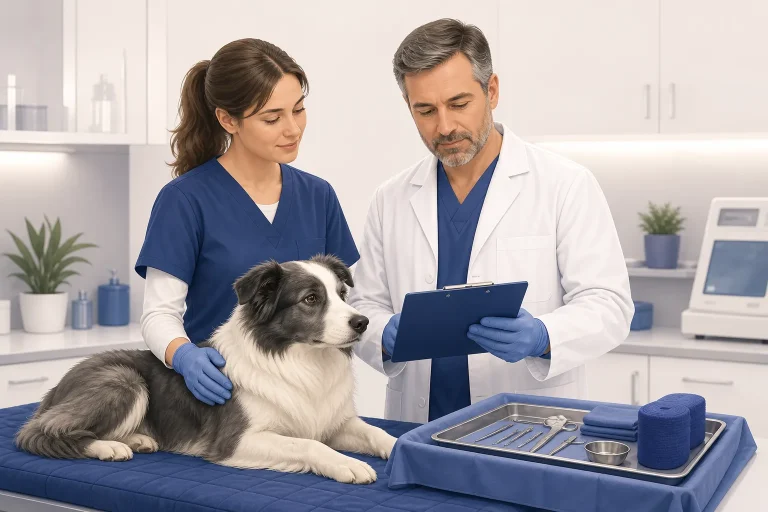
After Tumor Surgery: Incision, Comfort, and Pathology Follow-Up
Protect the incision and prescribed activity level, track comfort and basic functions, use medicines exactly as labeled, and turn the pathology report into a follow-up plan.
Read more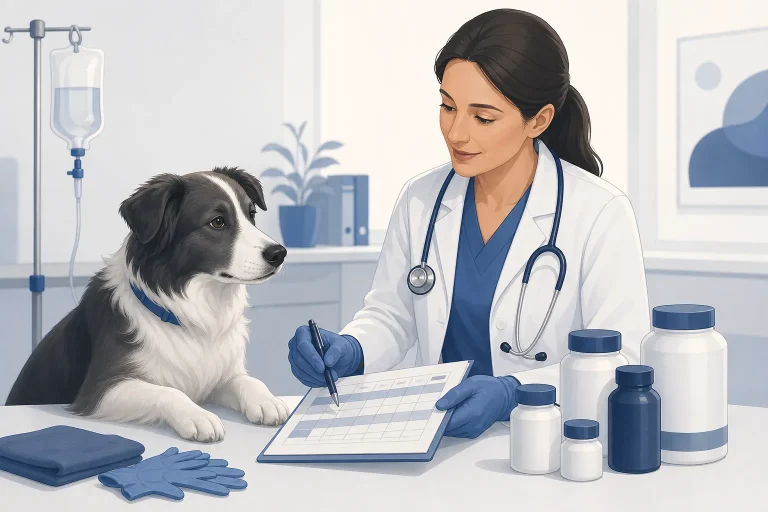
Chemotherapy at Home: Side-Effect and Handling Checklist
Keep a daily symptom and medication log, follow drug-specific exposure precautions, complete scheduled laboratory monitoring, and use agreed call thresholds early.
Read more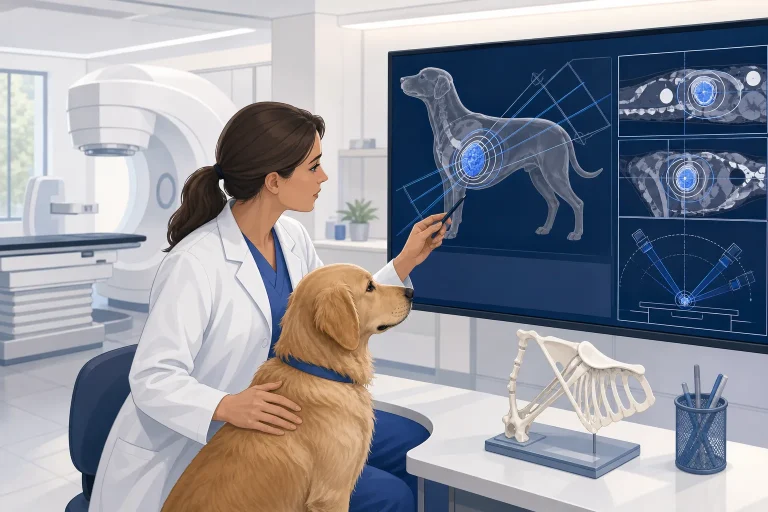
Radiation Therapy Planning: Visits, Anesthesia, Skin Care, and Rechecks
Clarify treatment intent and expected benefit, count every visit and anesthetic event, understand field-specific acute and late effects, and build a written monitoring and logistics plan.
Read moreThe First 7 Days After Tumor Surgery: A Recovery Planner
Turn the discharge sheet into a seven-day household plan: one medication owner, protected rest, twice-daily incision observations, an eating and toileting record, and a scheduled pathology follow-up. The…
Read moreChemotherapy-Day Logistics: From Check-In to the Next Morning
A chemotherapy visit works best when owners follow the clinic’s food and medication instructions, report changes before treatment, and leave with written handling precautions and a symptom threshold.…
Read moreDaily Radiation Visit Planner for Dogs
Radiation plans differ in intent, dose, number of visits, and anesthesia needs. A daily planner reduces missed instructions and helps the team recognize evolving skin, mouth, eye, appetite,…
Read more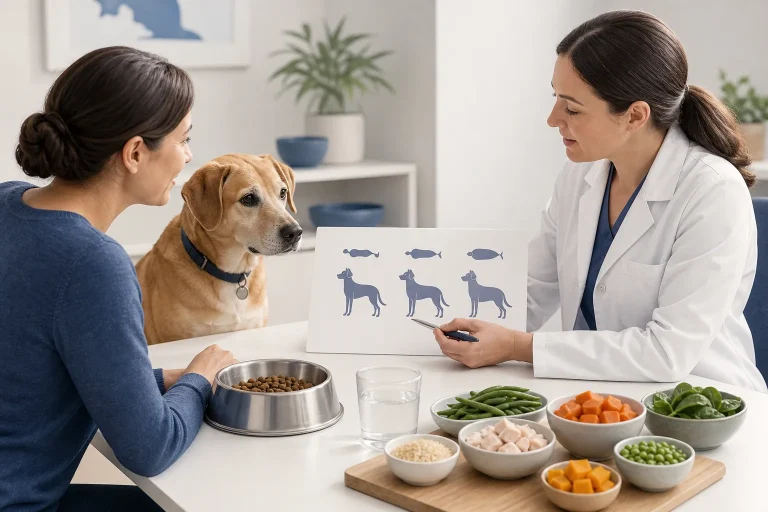
Veterinary Nutrition Consultation Prep for a Dog With Cancer
There is no single cancer diet for every dog. A useful veterinary nutrition consultation starts with accurate intake, body-weight and muscle trends, treatment plan, laboratory findings, symptoms, and…
Read more
Canine Cancer Emergency Readiness: Build the Plan Before a Crisis
Emergency readiness does not predict that a crisis will occur. It puts the treating clinic’s dog-specific thresholds, safe first actions, transport route, records, payment and decision contacts in…
Read moreMedication and Side-Effect Log for Canine Cancer Care
A medication log prevents double dosing and turns side effects into a usable timeline. It should record what was actually given, not merely the intended schedule, while all…
Read moreWound Opening or Infection After Tumor Surgery: An Escalation Guide
Compare the incision with its baseline, protect it from licking and contamination, contact the surgical team early, and avoid home products that interfere with examination or healing.
Read more
After Limb Amputation: Prepare the Home Before Discharge
Create nonslip routes, safe toileting and lifting plans, controlled access, incision protection, pain observation, and scheduled reassessment of the remaining limbs.
Read moreAfter Oral Tumor Surgery: Feeding, Mouth Checks, and Airway Red Flags
Use only the prescribed food texture and feeding method, protect the mouth from toys and chewing, observe swallowing and breathing, and keep pathology and reconstruction rechecks on schedule.
Read more