Product, Therapy & Care Guides
Step-by-step guides for product use, therapy planning, veterinary conversations, monitoring, surgery recovery, chemotherapy support, comfort care, and long-term observation. Guides answer what to do next; Directory entries explain what each product, drug, herb, or therapy is.

New Lump Appointment: A Calm, Tissue-First Checklist
Document the mass, bring the dog's complete clinical context, ask for an appropriate cell or tissue plan, and leave with written next steps and emergency thresholds.
Read more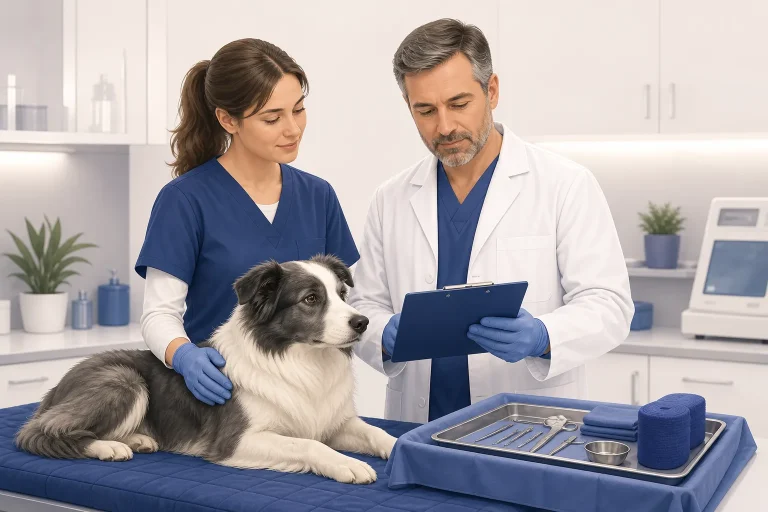
After Tumor Surgery: Incision, Comfort, and Pathology Follow-Up
Protect the incision and prescribed activity level, track comfort and basic functions, use medicines exactly as labeled, and turn the pathology report into a follow-up plan.
Read more
Chemotherapy at Home: Side-Effect and Handling Checklist
Keep a daily symptom and medication log, follow drug-specific exposure precautions, complete scheduled laboratory monitoring, and use agreed call thresholds early.
Read morePalladia Companion Guide: Safe Home Handling and Monitoring
Handle intact tablets as a hazardous antineoplastic, record every dose and gastrointestinal or mobility change, complete scheduled exams and laboratory tests, and obey stop-and-call instructions.
Read moreLaverdia Companion Guide: Prescription, Handling, and Home Monitoring
Give only the prescribed intact tablets immediately after food, keep doses at the instructed interval, use chemotherapy gloves and three-day waste precautions, and report adverse changes early.
Read more
Quality-of-Life Log for Dogs With Cancer
Track the same comfort and function domains daily, review trends with the care team, adjust the plan early and create a crisis plan before an emergency.
Read more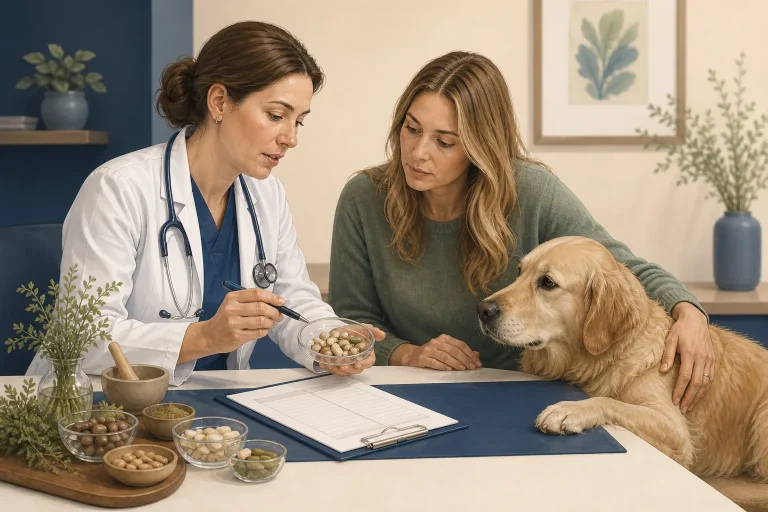
Baituxiao and Other Herbal Supplements: A Vet-Discussion Safety Guide
Verify the exact product and label, disclose it before anesthesia or oncology treatment, separate manufacturer statements from independent evidence, define a safety-monitoring plan and never substitute it for…
Read moreThe First 7 Days After Tumor Surgery: A Recovery Planner
Turn the discharge sheet into a seven-day household plan: one medication owner, protected rest, twice-daily incision observations, an eating and toileting record, and a scheduled pathology follow-up. The…
Read moreChemotherapy-Day Logistics: From Check-In to the Next Morning
A chemotherapy visit works best when owners follow the clinic’s food and medication instructions, report changes before treatment, and leave with written handling precautions and a symptom threshold.…
Read more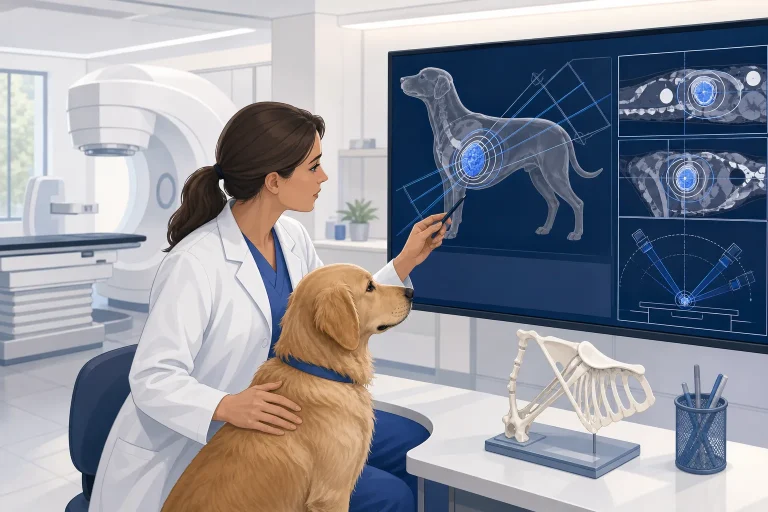
Targeted Cancer Medicine Safety: A Shared Monitoring Plan
Targeted does not mean side-effect free. The prescribing veterinarian and current product labeling determine dose, schedule, handling, drug interactions, laboratory testing, and whether to hold a dose; this…
Read more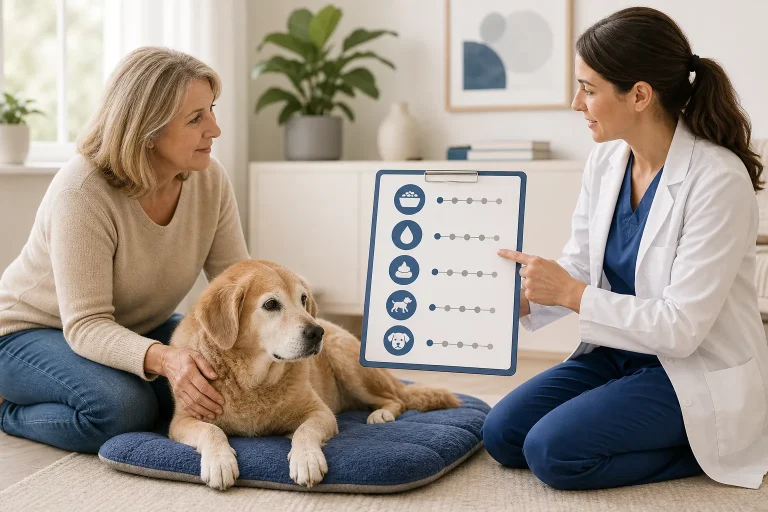
Cancer Pain Conversation: Observe Function, Not Just Vocalization
Dogs may show pain through changed function rather than crying. A useful conversation connects a specific behavior with timing, activity, tumor site, treatment, and medication response so the…
Read moreWeekly Quality-of-Life Review: Trends, Tradeoffs, and Next Decisions
Quality of life is a pattern, not one score. Daily notes become useful when the family and veterinary team review comfort, breathing, eating, hydration, mobility, toileting, interaction, sleep,…
Read more