Product, Therapy & Care Guides
Step-by-step guides for product use, therapy planning, veterinary conversations, monitoring, surgery recovery, chemotherapy support, comfort care, and long-term observation. Guides answer what to do next; Directory entries explain what each product, drug, herb, or therapy is.
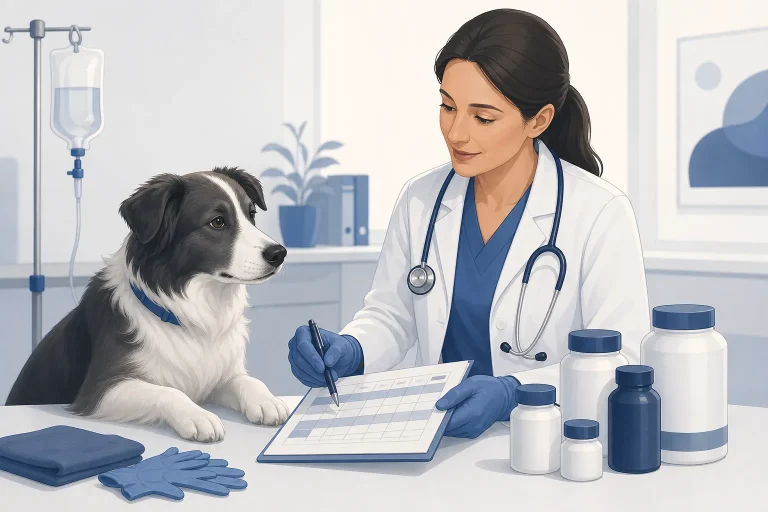
Palladia Companion Guide: Safe Home Handling and Monitoring
Handle intact tablets as a hazardous antineoplastic, record every dose and gastrointestinal or mobility change, complete scheduled exams and laboratory tests, and obey stop-and-call instructions.
Read moreLaverdia Companion Guide: Prescription, Handling, and Home Monitoring
Give only the prescribed intact tablets immediately after food, keep doses at the instructed interval, use chemotherapy gloves and three-day waste precautions, and report adverse changes early.
Read more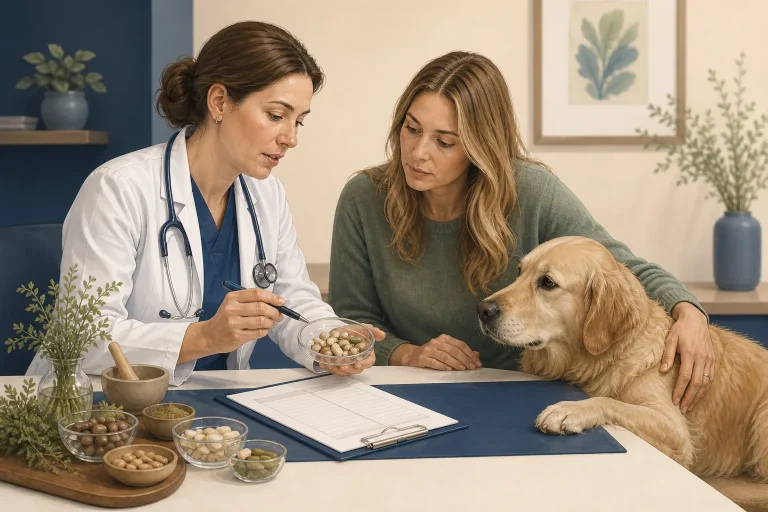
Baituxiao and Other Herbal Supplements: A Vet-Discussion Safety Guide
Verify the exact product and label, disclose it before anesthesia or oncology treatment, separate manufacturer statements from independent evidence, define a safety-monitoring plan and never substitute it for…
Read more
Targeted Cancer Medicine Safety: A Shared Monitoring Plan
Targeted does not mean side-effect free. The prescribing veterinarian and current product labeling determine dose, schedule, handling, drug interactions, laboratory testing, and whether to hold a dose; this…
Read more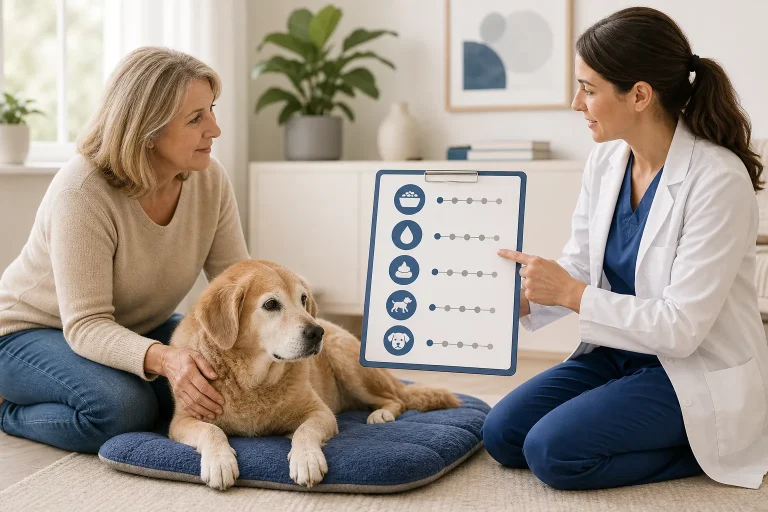
Cancer Pain Conversation: Observe Function, Not Just Vocalization
Dogs may show pain through changed function rather than crying. A useful conversation connects a specific behavior with timing, activity, tumor site, treatment, and medication response so the…
Read moreMedication and Side-Effect Log for Canine Cancer Care
A medication log prevents double dosing and turns side effects into a usable timeline. It should record what was actually given, not merely the intended schedule, while all…
Read moreOral Chemotherapy at Home: Storage, Handling, and Exposure Plan
Use the dispensed label and clinic instructions, designate trained adults, prevent crushing and exposure, manage waste safely, and know whom to call after a spill, missed administration, or…
Read moreTargeted Therapy: Blood Pressure, Urine, and Laboratory Monitoring Map
Turn the prescriber’s safety plan into one calendar and distinguish clinic measurements from home observations without changing treatment independently.
Read more
Before Lymphoma Sampling: Discuss Corticosteroids and Diagnostic Timing
Tell the team about every steroid exposure before sampling; balance urgent symptom control with the possibility that treatment can alter cytology, histology, immunophenotyping, or later response.
Read moreNSAID Safety During Canine Cancer Care: A Monitoring Conversation
Reconcile every medicine, review kidney, liver, gastrointestinal, hydration, and bleeding risks, use one prescriber-led plan, and report adverse signs early.
Read moreSupplements and Cancer Care: Build a Label-and-Interaction Inventory
Photograph complete labels, record actual use, identify duplicates and uncertain ingredients, and review the inventory with the veterinary team before surgery, anesthesia, radiation, or systemic treatment.
Read more