Product, Therapy & Care Guides
Step-by-step guides for product use, therapy planning, veterinary conversations, monitoring, surgery recovery, chemotherapy support, comfort care, and long-term observation. Guides answer what to do next; Directory entries explain what each product, drug, herb, or therapy is.

Prepare for a Veterinary Oncology Consultation
Provide complete records, define practical goals, compare options on the same criteria, and leave with a coordinated written plan. A consultation does not obligate treatment.
Read more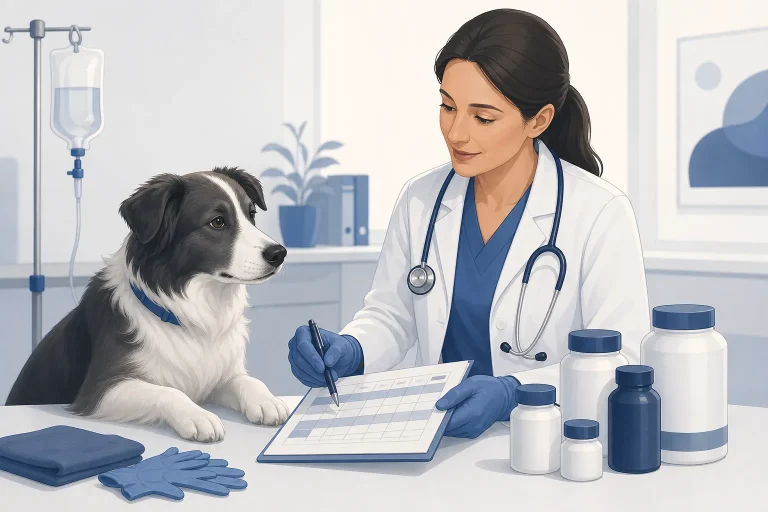
Chemotherapy at Home: Side-Effect and Handling Checklist
Keep a daily symptom and medication log, follow drug-specific exposure precautions, complete scheduled laboratory monitoring, and use agreed call thresholds early.
Read morePalladia Companion Guide: Safe Home Handling and Monitoring
Handle intact tablets as a hazardous antineoplastic, record every dose and gastrointestinal or mobility change, complete scheduled exams and laboratory tests, and obey stop-and-call instructions.
Read moreChemotherapy-Day Logistics: From Check-In to the Next Morning
A chemotherapy visit works best when owners follow the clinic’s food and medication instructions, report changes before treatment, and leave with written handling precautions and a symptom threshold.…
Read more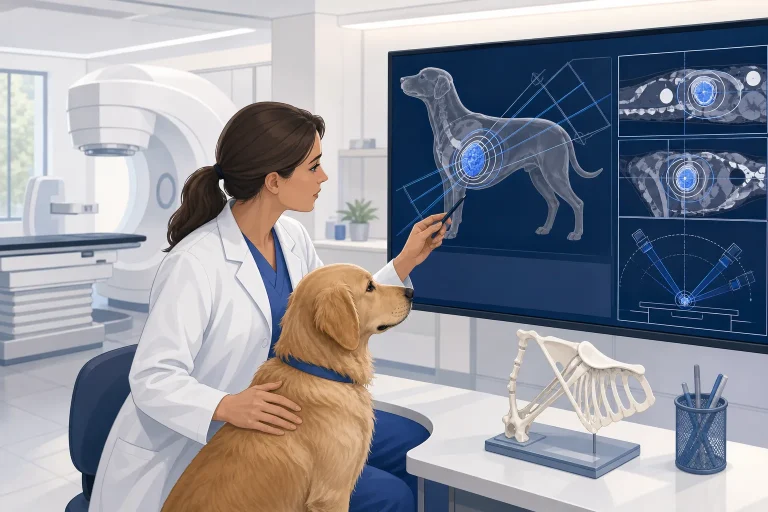
Targeted Cancer Medicine Safety: A Shared Monitoring Plan
Targeted does not mean side-effect free. The prescribing veterinarian and current product labeling determine dose, schedule, handling, drug interactions, laboratory testing, and whether to hold a dose; this…
Read more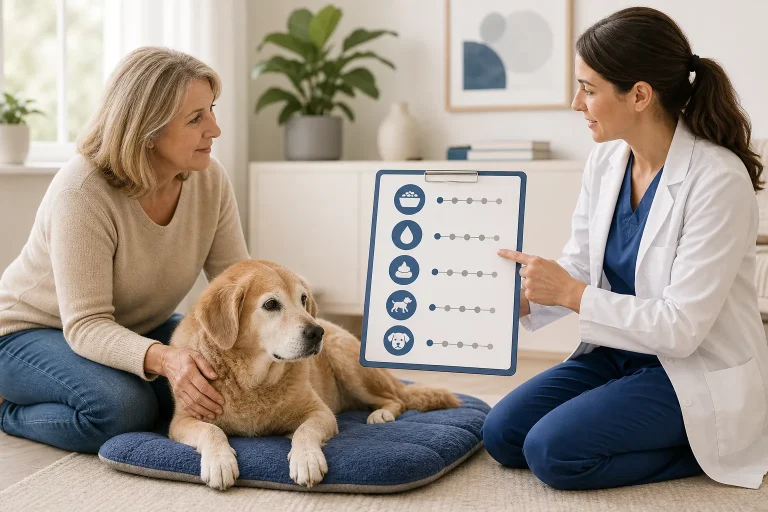
Medication and Side-Effect Log for Canine Cancer Care
A medication log prevents double dosing and turns side effects into a usable timeline. It should record what was actually given, not merely the intended schedule, while all…
Read moreLong-Distance Veterinary Oncology Referral: Records, Travel, and Handoff
A successful referral is more than an appointment. The receiving team needs readable records, original imaging in usable format, pathology reports and sometimes slides or blocks, a current…
Read moreOral Chemotherapy at Home: Storage, Handling, and Exposure Plan
Use the dispensed label and clinic instructions, designate trained adults, prevent crushing and exposure, manage waste safely, and know whom to call after a spill, missed administration, or…
Read moreNeutropenia and Fever During Chemotherapy: Build the Action Plan
Know the expected risk window, the prescribed blood-count schedule, how to measure temperature only if trained, and where to go when fever and illness suggest possible infection.
Read moreNausea, Diarrhea, and Hydration During Cancer Treatment: A Trend Log
Record timing, intake, vomiting, stool, urination, comfort, and prescribed supportive medicines so the team can intervene early without unsafe home dosing.
Read moreTargeted Therapy: Blood Pressure, Urine, and Laboratory Monitoring Map
Turn the prescriber’s safety plan into one calendar and distinguish clinic measurements from home observations without changing treatment independently.
Read more
Before Lymphoma Sampling: Discuss Corticosteroids and Diagnostic Timing
Tell the team about every steroid exposure before sampling; balance urgent symptom control with the possibility that treatment can alter cytology, histology, immunophenotyping, or later response.
Read more