Product, Therapy & Care Guides
Step-by-step guides for product use, therapy planning, veterinary conversations, monitoring, surgery recovery, chemotherapy support, comfort care, and long-term observation. Guides answer what to do next; Directory entries explain what each product, drug, herb, or therapy is.

Regional Lymph-Node Sampling: Questions Beyond Node Size
Identify the true draining node, ask whether it should be sampled even when normal in size, and plan cytology or biopsy around the decision it must support.
Read moreCT or MRI With Anesthesia: An Oncology Preparation Planner
Clarify the imaging question, contrast and anesthesia plan, required records, order of imaging and biopsy, recovery expectations, and who will interpret the study.
Read more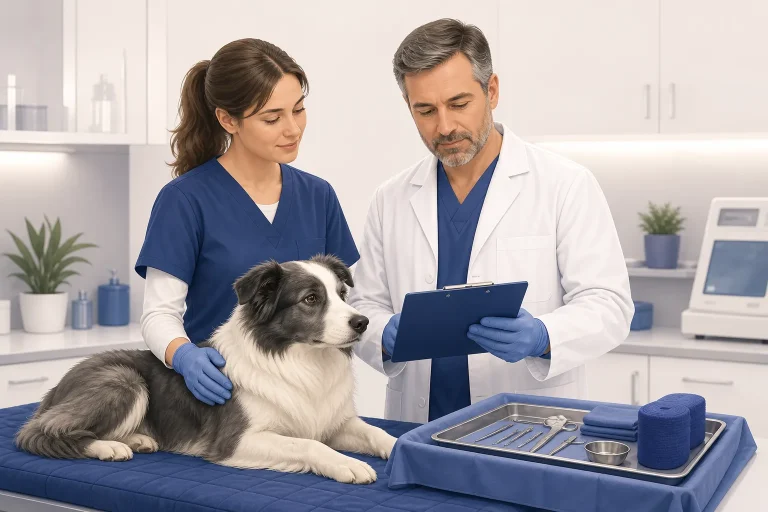
Wound Opening or Infection After Tumor Surgery: An Escalation Guide
Compare the incision with its baseline, protect it from licking and contamination, contact the surgical team early, and avoid home products that interfere with examination or healing.
Read more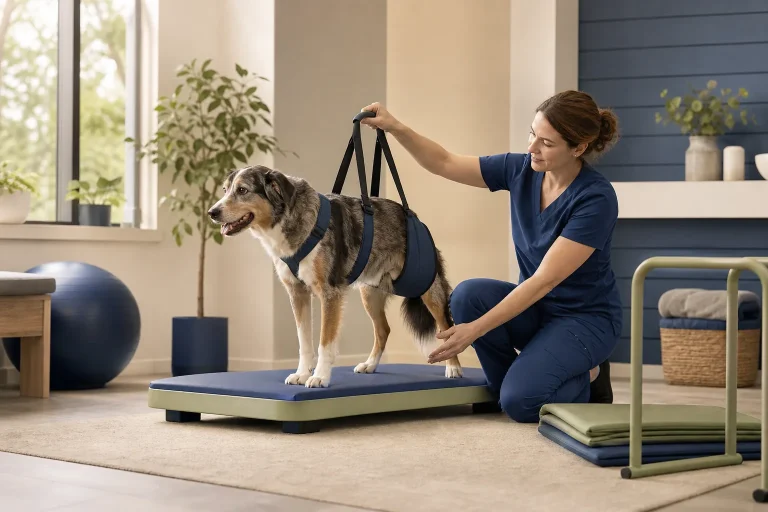
After Limb Amputation: Prepare the Home Before Discharge
Create nonslip routes, safe toileting and lifting plans, controlled access, incision protection, pain observation, and scheduled reassessment of the remaining limbs.
Read moreAfter Oral Tumor Surgery: Feeding, Mouth Checks, and Airway Red Flags
Use only the prescribed food texture and feeding method, protect the mouth from toys and chewing, observe swallowing and breathing, and keep pathology and reconstruction rechecks on schedule.
Read moreAfter Splenectomy: Recovery and Internal-Bleeding Red Flags
Monitor incision, comfort, appetite, breathing, gum color, abdominal size, rhythm-related weakness, and pathology follow-up without assuming every splenic mass has the same diagnosis.
Read moreBefore Lymphoma Sampling: Discuss Corticosteroids and Diagnostic Timing
Tell the team about every steroid exposure before sampling; balance urgent symptom control with the possibility that treatment can alter cytology, histology, immunophenotyping, or later response.
Read more
Veterinary Cancer Clinical Trials: A Neutral Question Checklist
Separate research from routine care, obtain the consent document, ask what is known and unknown, and compare the trial with reasonable nontrial options using the dog’s welfare and…
Read more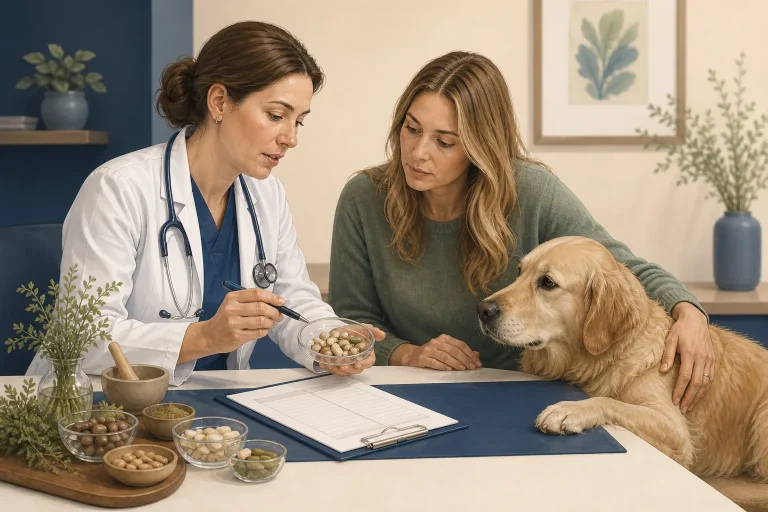
Supplements and Cancer Care: Build a Label-and-Interaction Inventory
Photograph complete labels, record actual use, identify duplicates and uncertain ingredients, and review the inventory with the veterinary team before surgery, anesthesia, radiation, or systemic treatment.
Read moreA Dog Cancer Teleconsultation: Records, Limits, and Local Handoff
Confirm who the service can advise, transfer diagnostic-quality records, define the remote question, arrange a local examining veterinarian, and know what cannot be handled remotely.
Read more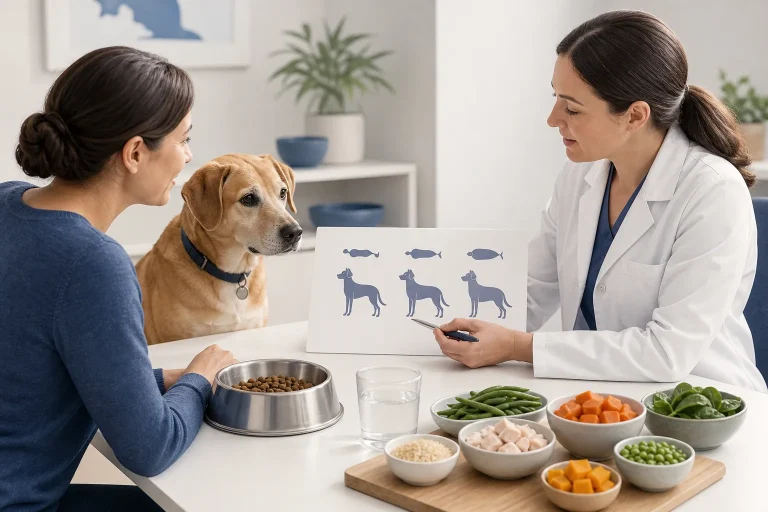
Food Safety During Immunosuppressive Cancer Treatment
Review diet and handling with the veterinary team, reduce preventable pathogen exposure, separate raw-animal-product claims from nutrition goals, and act early when fever or gastrointestinal illness occurs.
Read more