Skip to content
  • Your Dog’s First Chemotherapy Visit: Build a Safe Handoff Before You Leave

    Your Dog’s First Chemotherapy Visit: Build a Safe Handoff Before You Leave

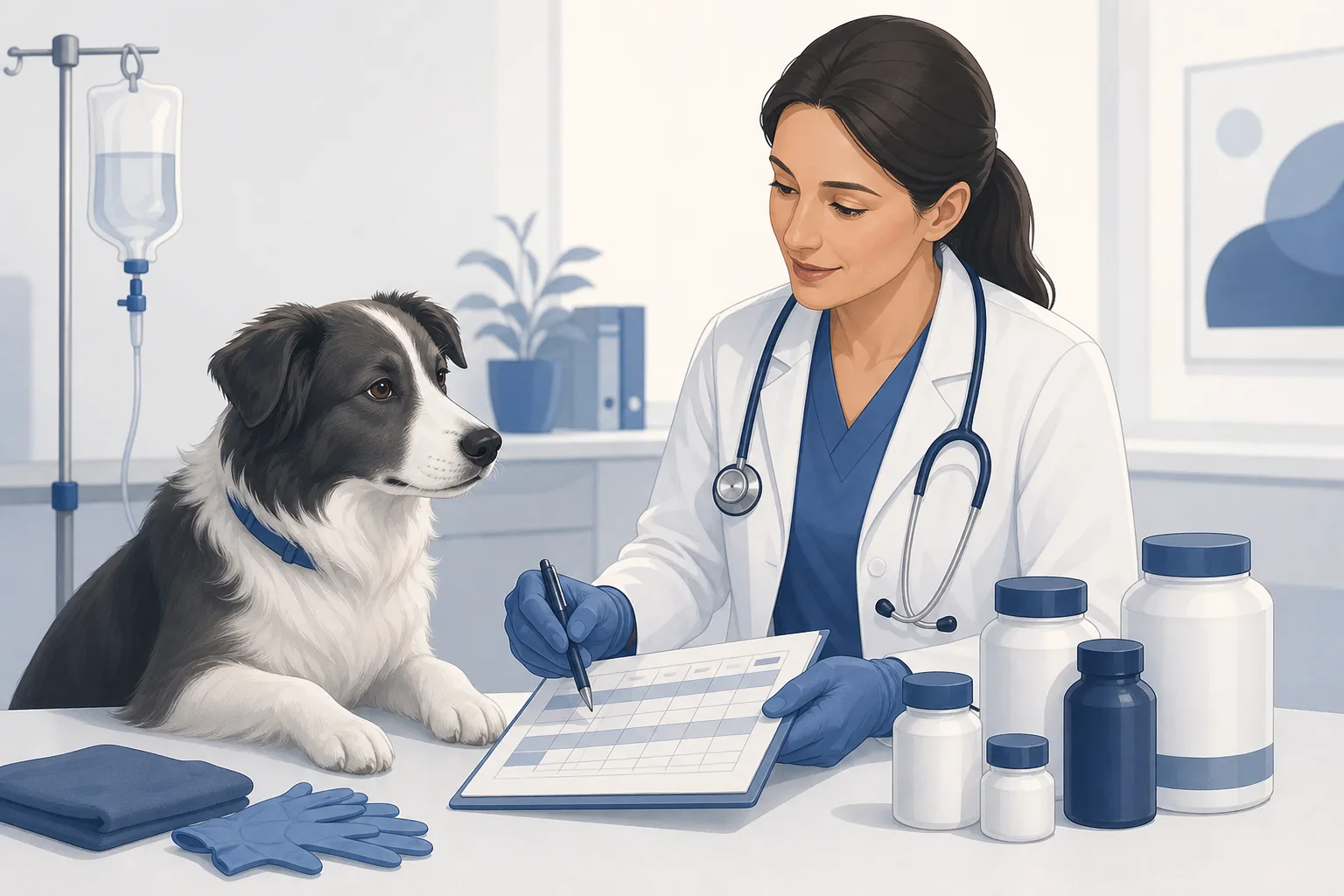
    A chemotherapy appointment is more than an infusion or injection. It is a handoff between the oncology team and the household. Before leaving, you should understand what was given, what the treatment is meant to accomplish, what changes are expected, and which changes should trigger a call.

    Why this deserves a plan

    Dogs often tolerate veterinary chemotherapy differently from people, but that does not make treatment risk-free. Gastrointestinal effects, appetite change, marrow suppression, drug-specific organ effects, and infusion-site problems vary by agent. Clear instructions reduce delay, double dosing, unsafe household exposure, and avoidable anxiety.

    Prepare before the stressful moment

    Bring every medication and supplement name, label strength, last administration time, prior reaction, and current symptom. Confirm who can answer the phone during treatment and who will collect the dog. Ask whether laboratory results are final, which drug and route are planned, and whether a same-day change is possible.

    What to observe and record

    Write down the exact agent, date, clinic contact, prescribed home medicines, and when each may be started. Record appetite, water intake, vomiting, stool, urination, energy, breathing, pain, and temperature only if the clinic has taught a safe method. Keep the nadir or laboratory appointment and next treatment decision on the same page.

    When to call or escalate

    Ask for a symptom threshold, not just the phrase call if worried. Repeated vomiting, significant diarrhea, refusal of food or water, fever concern, marked weakness, breathing change, bleeding, painful swelling at the infusion site, or rapid decline needs prompt contact. Use the emergency service when the dog is unstable.

    What not to improvise

    Do not give a just-in-case medicine unless the discharge plan says when and how to use it. Never repeat a vomited dose, split or crush a hazardous tablet, or use another pet’s medicine. Follow the clinic’s instructions for gloves, spills, laundry, urine, feces, vomit, storage, children, pregnancy, and disposal.

    Make the discharge sheet operational

    A useful handoff names today’s drug, route, treatment purpose, laboratory result reviewed, medicines given in clinic, and any home prescription that replaces or overlaps something already in the cabinet. Ask the team to mark the first permitted time for each home medicine and identify which instructions apply only to this agent. If the plan changes at a later visit, retire the old sheet so two conflicting versions are not used.

    Household precautions should also be written for the formulation actually used. Ask where contaminated disposable material goes, how to handle an accident in the house, and whom to call after a spill or accidental exposure. The person collecting the dog should be able to repeat the urgent signs and after-hours route in their own words. That brief read-back can reveal missing details before the clinic closes.

    Take these questions to the care team

    • What exact drug and intent are recorded today?
    • Which signs are expected versus urgent?
    • When is the blood-count check and why?
    • What household precautions apply?
    • Who answers after hours?

    Medical disclaimer: This article is educational and cannot diagnose, treat, or determine prognosis for an individual dog. It does not replace an examination or an individualized plan from a licensed veterinarian.
    Sources and further reading

  • The Nadir Appointment: Why Your Dog May Look Well but Still Need a Blood Count

    The Nadir Appointment: Why Your Dog May Look Well but Still Need a Blood Count

    Your dog may seem normal on the day the oncology team schedules a post-chemotherapy CBC. That does not make the appointment unnecessary. Some marrow effects appear on a predictable but not exact timeline, and the team is trying to measure safety before illness develops or before the next treatment decision.

    Why this deserves a plan

    A CBC includes several cell lines, and each has a different meaning. Neutrophils relate to infection defense, platelets to bleeding, and red cells to oxygen-carrying capacity. A single number without treatment date, symptoms, previous results, and smear context can be misunderstood.

    Prepare before the stressful moment

    Confirm the appointment window when treatment is given; do not calculate it from a generic chart. Keep the drug name and treatment date available. Note appetite, stool, vomiting, water intake, urination, energy, shaking, bleeding, and any clinic-advised temperature reading. Report every unplanned medicine or supplement.

    What to observe and record

    At the visit, ask which cell line is expected to be lowest and whether this result is compared with a baseline or prior cycle. If another clinic runs the test, arrange direct result transfer to the oncology service. Record whether the plan is routine monitoring, closer observation, a repeat count, or a change to the next appointment.

    When to call or escalate

    Do not wait for the scheduled CBC if the dog becomes systemically unwell. Marked lethargy, fever concern, collapse, breathing difficulty, repeated vomiting, severe diarrhea, pale gums, unusual bruising, or bleeding needs same-day advice or emergency assessment depending on severity.

    What not to improvise

    Do not start leftover antibiotics because a count might be low, and do not cancel or approve the next chemotherapy visit yourself from a portal value. Laboratory reference ranges and oncology decision thresholds are not identical. A clinician must interpret the patient, drug, timing, and trend together.

    Turn the CBC into a treatment decision

    Ask for the result to be interpreted beside the treatment date, the specific agent, the dog’s baseline, and earlier post-treatment counts. A portal flag only shows that a value falls outside that laboratory’s reference interval; it does not state whether the oncology plan should continue, pause, or be reassessed. The useful output is a documented clinical decision and the name of the clinician responsible for making it.

    Before leaving the blood-draw appointment, confirm how the oncology service will receive the report and when the family should expect contact. If no message arrives, use the agreed follow-up route rather than assuming that silence means clearance. Keep symptoms and laboratory results on the same timeline: a dog who appears bright can still need the scheduled check, while a dog who becomes unwell needs clinical assessment even before a result is available. Keep the next appointment provisional until that interpretation is documented.

    Take these questions to the care team

    • Why was this date selected?
    • Which cell line matters most?
    • Who will review the result?
    • What symptom overrides waiting?
    • Could this result change the next cycle?

    Medical disclaimer: This article is educational and cannot diagnose, treat, or determine prognosis for an individual dog. It does not replace an examination or an individualized plan from a licensed veterinarian.
    Sources and further reading

  • Nausea Without Vomiting: Subtle Signs to Record During Canine Cancer Care

    Nausea Without Vomiting: Subtle Signs to Record During Canine Cancer Care

    Waiting for vomiting can miss nausea. A dog may walk to the bowl, sniff, turn away, lick the lips, drool, swallow repeatedly, seek grass, hide, or become restless. These signs are not specific to chemotherapy, so the veterinary team still needs to consider pain, oral disease, obstruction, medication effects, and other illness.

    Why this deserves a plan

    Untreated nausea can reduce intake, create food aversion, worsen hydration, and make caregivers conclude that the dog has lost all interest in life. Early reporting gives the team a chance to identify the cause and decide whether anti-nausea treatment, examination, diagnostics, diet adjustment, or protocol review is appropriate.

    Prepare before the stressful moment

    Ask before treatment which signs to watch for, when preventive or rescue medicine may be used, and what counts as breakthrough nausea. Keep prescribed medicines in their original containers. Record the last meal eaten normally and whether the dog refuses all food or only a food associated with treatment.

    What to observe and record

    Offer a calm observation rather than a parade of new foods. Note time relative to treatment and medication, interest in food, amount swallowed, lip licking, drooling, posture, abdominal discomfort, vomiting, stool, and water intake. A short video of a safe, spontaneous behavior may help the clinic recognize a pattern.

    When to call or escalate

    Repeated vomiting, a distended or painful abdomen, inability to keep water down, blood, profound weakness, collapse, or rapid deterioration needs prompt assessment. Persistent reduced intake also deserves early contact because dehydration and muscle loss can develop before the next scheduled appointment.

    What not to improvise

    Do not force food, syringe-feed an unwilling dog, repeat a vomited dose, or combine antiemetics, appetite stimulants, antacids, cannabis products, or human medicines without instructions. Stimulating appetite without addressing nausea or obstruction can increase distress and delay diagnosis.

    Protect familiar foods from a nausea association

    When a dog repeatedly encounters a favorite food during a nauseated period, refusal can persist even after the immediate episode improves. Tell the care team which food was offered near treatment, which items the dog approached and rejected, and whether interest returned at another time or location. That pattern is more useful than labeling the dog “picky,” because it separates willingness to approach food from comfort while eating.

    Ask the team which complete diet or texture should remain the dependable option and whether a different food should be reserved for medication or treatment days. Avoid cycling rapidly through every high-value food in the home. The goal is not to win one meal at any cost, but to preserve safe choices while the cause of nausea is assessed and the prescribed prevention or rescue plan is reviewed. Record which foods remain accepted so the team can plan without sacrificing every familiar option.

    Take these questions to the care team

    • Could this behavior represent nausea?
    • What other causes need examination?
    • Which prescribed medicine is preventive or rescue?
    • When should intake trigger a recheck?
    • How can we prevent food aversion?

    Medical disclaimer: This article is educational and cannot diagnose, treat, or determine prognosis for an individual dog. It does not replace an examination or an individualized plan from a licensed veterinarian.

    Sources and further reading

  • When Appetite Drops: Turn “Not Eating” Into a Useful Veterinary Update

    When Appetite Drops: Turn “Not Eating” Into a Useful Veterinary Update

    Reduced appetite during cancer care can come from the tumor, nausea, pain, constipation, oral disease, swallowing difficulty, fever, treatment effects, medication interactions, or another illness. The response should begin with cause and severity, not automatically with a richer food or appetite stimulant.

    Why this deserves a plan

    Care teams make better decisions when they know what the dog consumed rather than what was offered. A dog eating treats but refusing a complete diet is different from a dog unable to swallow water. Timing relative to treatment and the dog’s baseline pattern also helps separate a transient change from a worsening problem.

    Prepare before the stressful moment

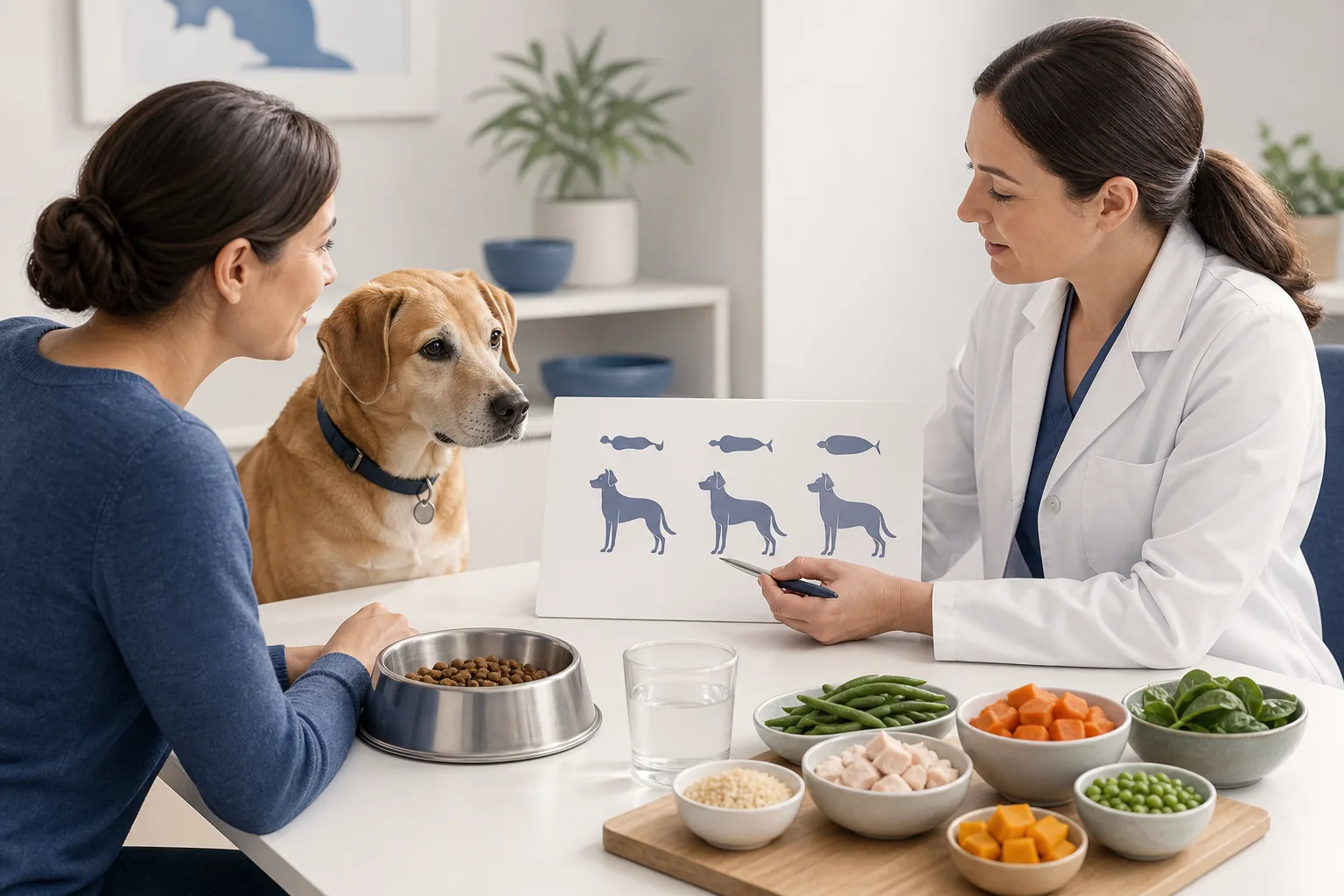
    Choose one simple unit for each food and record the amount served and remaining. Keep photos of labels and a complete supplement list. Know the dog’s recent weight and whether collar, harness, spine, hips, or head muscles look different. Ask the clinic in advance when reduced intake becomes a same-day concern.

    What to observe and record

    Report the last normal meal, estimated intake since then, water, vomiting, nausea behavior, stool, urination, oral pain, abdominal discomfort, energy, and every medicine actually given. Mention food approach then retreat, chewing on one side, dropping food, coughing, regurgitation, or difficulty swallowing because those change the risk.

    When to call or escalate

    Inability to swallow, repeated vomiting, abdominal distension, marked weakness, dehydration, breathing change, collapse, or prolonged near-zero intake requires prompt veterinary assessment. Puppies, very small dogs, diabetic dogs, and dogs with metabolic disease may have different urgency; follow the treating team’s instructions.

    What not to improvise

    Do not force feed, suddenly create an unbalanced long-term diet, use raw meat for an immunocompromised dog, or add multiple supplements. Never change prescribed treatment because the dog skipped a meal unless the clinic has given a medication-specific rule. Call for clarification instead of guessing.

    Report the eating sequence, not only the total

    Describe what happens from bowl presentation to swallowing. A dog that never approaches food, one that sniffs and retreats, one that grasps food but drops it, and one that eats briefly before stopping present different clues. Note whether posture, bowl height, texture, smell, location, or the presence of other animals changes the attempt. This sequence can direct attention toward nausea, oral discomfort, swallowing difficulty, pain, or environmental stress.

    Pair that description with a short intake timeline showing the usual diet, what was offered, what was actually consumed, and medicines given before or after the attempt. Include treats and hand-fed bites rather than counting them as incidental. The veterinary team can then judge whether the immediate priority is examination, symptom control, nutrition support, or revision of the treatment plan without relying on the vague phrase “barely ate.”

    Take these questions to the care team

    • How much did the dog actually eat?
    • Is nausea, pain, swallowing, or constipation suspected?
    • What is the first cause-based step?
    • When should assisted feeding be discussed?
    • Which diet and medicine changes are safe?

    Medical disclaimer: This article is educational and cannot diagnose, treat, or determine prognosis for an individual dog. It does not replace an examination or an individualized plan from a licensed veterinarian.

    Sources and further reading

  • Diarrhea During Cancer Treatment: Build a Decision Log, Not a Home Pharmacy

    Diarrhea During Cancer Treatment: Build a Decision Log, Not a Home Pharmacy

    Diarrhea after chemotherapy may be treatment-related, dietary, infectious, inflammatory, medication-associated, or unrelated to the cancer plan. One loose stool in a bright dog is not the same problem as repeated watery stool with vomiting and weakness. A concise log helps the clinic triage without encouraging self-treatment.

    Why this deserves a plan

    Caregivers often have leftover antibiotics, probiotics, anti-diarrheals, or special foods, but using several at once can obscure the course, add adverse effects, and undermine antimicrobial stewardship. The safest first step is to describe severity and ask which elements of the existing rescue plan apply.

    Prepare before the stressful moment

    Before treatment, obtain written guidance for mild, persistent, and severe signs. Keep a simple stool scale if the clinic uses one. Record the exact chemotherapy and date, all supportive medicines, diet changes, scavenging, other affected animals or people, and any recent travel or boarding.

    What to observe and record

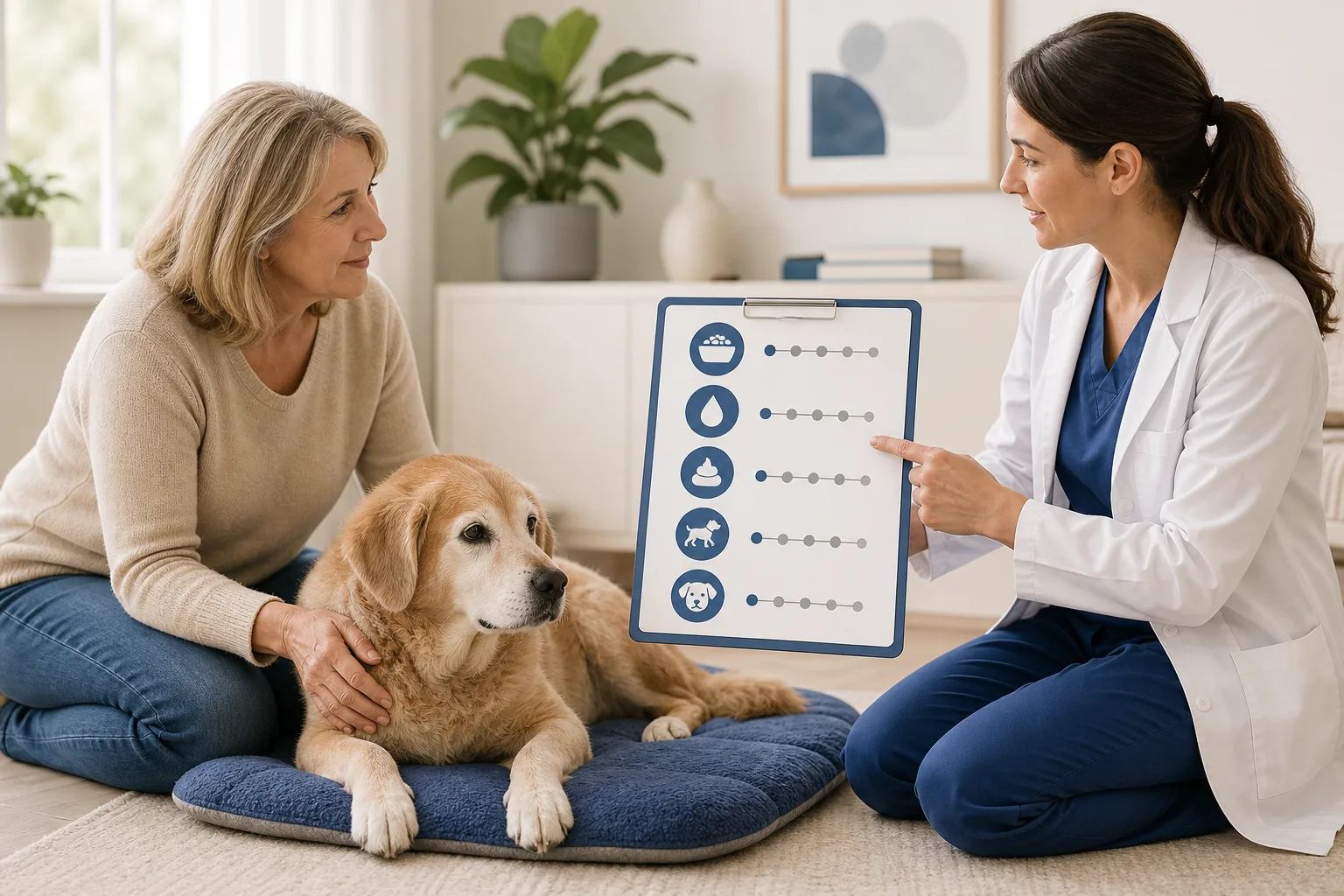
    For each episode, note time, consistency, approximate volume, urgency, straining, mucus or visible blood, vomiting, appetite, water intake, urination, energy, and abdominal discomfort. Save a sample only if the clinic requests it and gives storage instructions. Report whether the dog can rest and keep water down.

    When to call or escalate

    Repeated watery stool, substantial blood, black stool, vomiting, fever concern, marked weakness, abdominal pain, dehydration, collapse, or rapid decline warrants prompt assessment. A dog in a predicted marrow-suppression period may need earlier evaluation even when gastrointestinal signs seem modest.

    What not to improvise

    Do not give human anti-diarrheals, start leftover antibiotics, or stack probiotics and herbal products without review. Do not withhold water or apply a prolonged fast from generic advice. The tumor, comorbidities, medicines, and size of the dog can change what is safe.

    Build a timeline the clinic can triage

    Place treatment, new medicines, food changes, scavenging, boarding, travel, and the first abnormal stool on one line in time. Then record whether episodes are becoming more frequent, more watery, more urgent, or accompanied by vomiting, pain, poor intake, or reduced activity. A photograph may help describe appearance if it can be obtained without delaying care, but it does not replace reporting the dog’s overall condition.

    Ask the clinic to document the next checkpoint as well as the current instruction: what improvement should look like, when another update is due, and what change ends home observation. If testing or a sample is requested, confirm collection and storage instructions before acting. This approach lets the team choose diagnostics and supportive care deliberately and avoids turning leftover antibiotics or multiple over-the-counter products into an uncontrolled experiment. Include the name of the person who reviewed the update so later advice is not separated from its clinical context.

    Take these questions to the care team

    • How severe is this episode for this dog?
    • Does treatment timing suggest marrow risk?
    • Is diagnostic testing or a sample needed?
    • Which part of the written rescue plan applies?
    • What sign means emergency care?

    Medical disclaimer: This article is educational and cannot diagnose, treat, or determine prognosis for an individual dog. It does not replace an examination or an individualized plan from a licensed veterinarian.

    Sources and further reading

  • Constipation or Obstruction? What to Observe When a Dog With Cancer Strains

    Constipation or Obstruction? What to Observe When a Dog With Cancer Strains

    A caregiver may report constipation when the dog is actually straining to urinate, passing frequent small stools, experiencing pelvic pain, or facing a tumor-related narrowing. Cancer medicines, opioids, reduced movement, dehydration, diet change, and mass effects can all contribute, but the correct response depends on the mechanism.

    Why this deserves a plan

    Repeated straining is painful and can become urgent. Treating every episode with extra fiber or a human laxative can worsen obstruction, dehydration, electrolyte problems, or discomfort. A careful description of urine, stool, abdomen, appetite, and medication timing helps the clinic decide whether examination or imaging is needed.

    Prepare before the stressful moment

    Know the last normal stool and normal urination. List pain medicines, antiemetics, supplements, diet, fluid intake, activity, and any pelvic, spinal, prostate, anal-sac, intestinal, or urinary tumor. Ask the clinic whether the current protocol includes a preventive bowel plan and which product, if any, is prescribed.

    What to observe and record

    Observe posture, frequency, whether urine or stool appears, stool size and hardness, blood or mucus, abdominal enlargement, vomiting, appetite, pain, and willingness to walk. A short safe video can clarify posture. Record every home product given, because duplicate ingredients or mineral-containing remedies may matter.

    When to call or escalate

    Inability to urinate is an emergency. Repeated unproductive straining, vomiting, a painful or distended abdomen, collapse, severe weakness, or significant bleeding also needs urgent assessment. Contact the clinic promptly when the dog has a known pelvic mass or neurologic weakness and the pattern changes.

    What not to improvise

    Do not use human enemas, laxatives, mineral oil, suppositories, or manual extraction. Do not force exercise or food when obstruction or severe pain is possible. Never stop an opioid abruptly or alter a cancer medicine without the prescriber’s plan; ask for a coordinated adjustment.

    Separate the three questions hidden inside “straining”

    First establish whether the dog is producing urine, stool, both, or neither. Next describe where the effort occurs: at the start of a walk, repeatedly after a small stool, while holding a rigid posture, or together with abdominal discomfort. Finally, place the change beside recent pain medicines, reduced activity, dehydration, diet changes, and any known pelvic or spinal disease. These details help the clinic distinguish a bowel complaint from a urinary or neurologic problem.

    Do not wait for a perfect home diagnosis before calling. A useful update can state the last normal urination and stool, the number and result of attempts, any vomiting, and whether the abdomen or gait has changed. If the team recommends an examination, bring the complete medication list; the bowel plan may need to account for analgesia and cancer treatment rather than simply adding a generic remedy. Name the clinician who will review the change if the first recommendation does not work.

    Take these questions to the care team

    • Is the dog passing urine normally?
    • Could a mass or pain cause narrowing?
    • Which medicine or hydration factor contributes?
    • Does examination or imaging come before a laxative?
    • What prevention plan is appropriate?

    Medical disclaimer: This article is educational and cannot diagnose, treat, or determine prognosis for an individual dog. It does not replace an examination or an individualized plan from a licensed veterinarian.

    Sources and further reading

  • Mouth Pain During Cancer Care: Spot Mucositis Before Intake Collapses

    Mouth Pain During Cancer Care: Spot Mucositis Before Intake Collapses

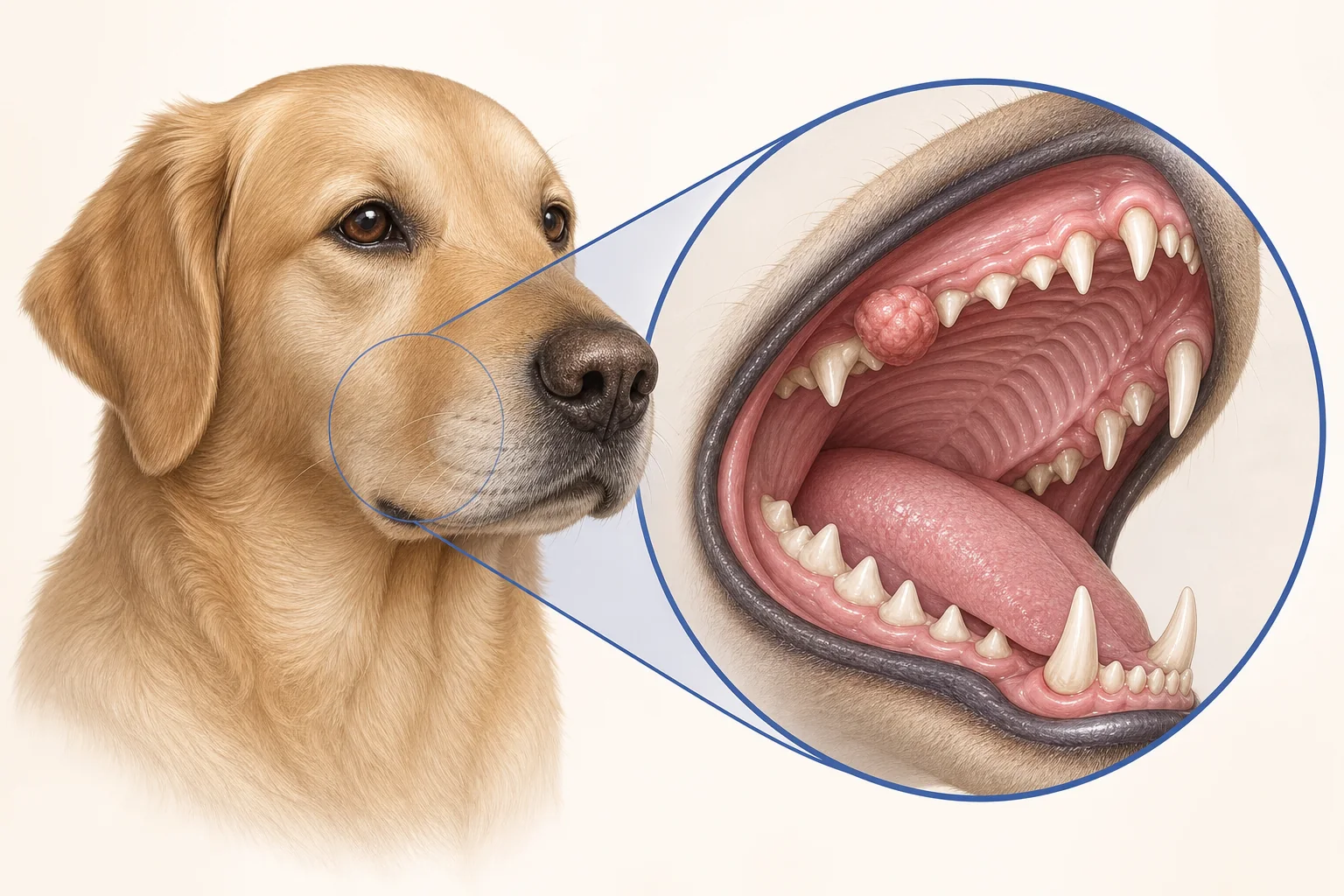
    A dog may still approach food despite a painful mouth, then chew slowly, drop pieces, retreat, or swallow without chewing. Treatment-related mucosal injury is one possibility, but an oral tumor, dental disease, foreign material, infection, jaw pain, or nausea may look similar from across the room.

    Why this deserves a plan

    Oral pain can reduce nutrition and hydration and can become a portal for infection when tissue or blood counts are compromised. Early examination allows the team to adjust analgesia, oral care, diet texture, treatment timing, or diagnostics. Odor alone is not enough to choose an antibiotic.

    Prepare before the stressful moment

    Ask what oral changes are possible with the planned therapy and whether routine dental products should be paused. Keep a baseline note on breath, chewing side, food texture, drooling, and visible lesions only if the dog safely permits inspection. Never risk a bite or force the mouth open.

    What to observe and record

    Record interest in food, ability to grasp and swallow, preference for soft versus hard texture, drooling, repeated swallowing, lip licking, blood, odor, pawing, facial swelling, and pain when the head is touched. Report recent radiation field, chemotherapy date, platelet or neutrophil concern, and every oral product used.

    When to call or escalate

    Inability to swallow water, breathing or facial swelling, uncontrolled oral bleeding, severe pain, marked weakness, fever concern, or rapid decline requires urgent assessment. A dog that stops eating or drinking because of mouth pain should not wait until the next routine oncology appointment.

    What not to improvise

    Do not use human mouthwash, peroxide, essential oils, numbing gel, aspirin-containing products, or sharp cleaning tools. Do not scrub fragile tissue or apply a product directly to a tumor. Diet texture and prescribed rinses must match the lesion and aspiration risk.

    Map function around the painful area

    Observe the dog using the mouth without forcing an inspection. Note whether discomfort appears when grasping food, chewing, swallowing, drinking, yawning, or picking up a toy, and whether one side is favored. Report the texture and temperature of foods accepted or refused, but do not use those observations to select a treatment. They help the clinician locate the problem and decide whether an oral examination can be performed safely.

    If the dog allows it, a consistent photograph of the lips or visible front of the mouth may show change over time; stop if handling causes pain or resistance. Ask the care team how prescribed oral products should be applied and whether eating, drinking, blood counts, or a recent radiation field alters the plan. The aim is to preserve comfort and intake while protecting fragile tissue, not to make a lesion look cleaner at home.

    Take these questions to the care team

    • Is this mucositis, tumor, dental disease, or another cause?
    • How will pain and intake be supported?
    • Which oral care is safe for this tissue?
    • Do blood counts change infection or bleeding risk?
    • When must treatment be reassessed?

    Medical disclaimer: This article is educational and cannot diagnose, treat, or determine prognosis for an individual dog. It does not replace an examination or an individualized plan from a licensed veterinarian.

    Sources and further reading

  • Hydration at Home: What Dog Owners Can Observe—and What They Cannot Measure

    Hydration at Home: What Dog Owners Can Observe—and What They Cannot Measure

    Cancer, fever, vomiting, diarrhea, reduced intake, kidney disease, medications, and endocrine problems can alter fluid needs. Drinking more is not always reassuring, and drinking less does not reveal the severity of dehydration. A home record supports the veterinary assessment; it does not replace examination and laboratory testing.

    Why this deserves a plan

    Fluid plans can become unsafe when caregivers respond to every dry gum or skin-tent impression with unmeasured water, broth, or leftover subcutaneous fluids. Heart, kidney, protein, sodium, glucose, and gastrointestinal conditions can change the right route and volume. The treating team must define the plan.

    Prepare before the stressful moment

    Use a measured bowl only if practical and do not restrict access unless specifically instructed. Note all pets that share water, canned versus dry food, tube feeds, vomiting, diarrhea, panting, fever, and medications. If fluids are prescribed, keep the written product, route, equipment, storage, and stop rules together.

    What to observe and record

    Record water offered and remaining, urine frequency and amount as best observed, stool loss, vomiting, food intake, body weight under consistent conditions, energy, breathing, and whether the dog can keep water down. Gum moisture and skin elasticity are influenced by age and other factors, so report them as observations, not a diagnosis.

    When to call or escalate

    Repeated vomiting, inability to keep water down, very low urine output, inability to urinate, collapse, severe weakness, breathing change, abdominal distension, or rapid weight change needs prompt assessment. Breathing that worsens during a fluid plan can signal overload or unrelated crisis.

    What not to improvise

    Do not force water into a weak dog, use salty broth without ingredient review, change prescribed fluid amount, or use another pet’s fluid bag. Never connect enteral fluids or tube-feeding supplies to vascular equipment. If a feeding tube is present, follow its dedicated written instructions.

    Keep inputs and losses on the same page

    A water-bowl total is hard to interpret without the rest of the fluid story. Alongside drinking, record canned food, tube water if prescribed, vomiting, diarrhea, urine pattern, panting, and any clinic-directed fluids. Note when several pets share a bowl or water is spilled so an estimate is not presented as an exact measurement. This gives the veterinary team context without pretending that a home log measures hydration status.

    Changes in body weight and breathing deserve special attention during a prescribed fluid plan, but they still require clinical interpretation. Ask which trend should prompt a same-day call and which observation can wait for the planned review. If the dog cannot keep water down, seems weaker, urinates abnormally, or breathes differently, report the whole pattern rather than compensating with extra fluid; the safest route and amount depend on the cause.

    Take these questions to the care team

    • What is changing fluid balance?
    • Which observations should we record?
    • Does this dog have heart or kidney constraints?
    • What route is prescribed and why?
    • Which sign means stop and call?

    Medical disclaimer: This article is educational and cannot diagnose, treat, or determine prognosis for an individual dog. It does not replace an examination or an individualized plan from a licensed veterinarian.

    Sources and further reading

  • A Five-Minute Weekly Weight and Muscle Check for Dogs in Cancer Care

    A Five-Minute Weekly Weight and Muscle Check for Dogs in Cancer Care

    A dog can finish meals and still lose weight or muscle, while a dog with fluid accumulation may appear stable on the scale. Tracking the same few measurements under similar conditions helps the veterinary team recognize a meaningful trend instead of reacting to one noisy value.

    Why this deserves a plan

    Nutrition screening is part of oncology care from diagnosis through follow-up. Muscle over the head, spine, shoulders, and pelvis can decline separately from fat. Early change may prompt review of actual intake, nausea, pain, swallowing, digestion, treatment effects, and other disease before weakness becomes obvious.

    Prepare before the stressful moment

    Ask the clinic to show you body-condition and muscle-condition scoring for your dog. Use the same reliable scale when available, at a similar time relative to meals and elimination. Choose a weekly schedule rather than weighing repeatedly during an anxious day. Keep photos at the same angle and distance.

    What to observe and record

    Record weight, appetite as amount consumed, food and treat totals, vomiting, stool, activity, and one brief note on visible or palpable muscle. Note belly enlargement, swelling, dehydration, or fluid therapy because these can distort scale interpretation. Bring the log to rechecks and ask the team to verify technique.

    When to call or escalate

    Rapid weight loss, progressive muscle wasting, prolonged poor intake, repeated vomiting, swallowing difficulty, marked weakness, abdominal distension, or new swelling deserves prompt review. A stable number with declining function or intake still matters. The dog’s comfort and ability to eat safely take priority over hitting a target.

    What not to improvise

    Do not chase the scale with high-fat scraps, raw meat, unbalanced recipes, or multiple supplements. Do not force exercise to rebuild muscle before pain, bone stability, blood counts, and medical clearance are addressed. A nutrition plan should accommodate the tumor and concurrent disease.

    Use photographs to preserve the baseline

    A scale cannot show where tissue has changed. At the start of tracking, ask the veterinary team to identify the landmarks they use for body-condition and muscle-condition assessment. With the dog standing comfortably, take repeat photographs from the same side and above, using similar lighting, distance, and posture. Do not pose or restrain a painful dog simply to complete the record.

    Review the image series together with weight, measured intake, activity, and any abdominal or limb swelling. A fuller abdomen can coexist with loss over the spine or head, and a stable scale can conceal that contrast. The record is most useful when it triggers a specific question—whether nausea, pain, swallowing, diet adequacy, fluid change, or reduced mobility needs attention—rather than when owners assign a body score without confirmation. A clinician can also decide when a nutrition or rehabilitation referral would add value.

    Take these questions to the care team

    • Are body condition and muscle condition changing differently?
    • How much complete diet is actually consumed?
    • Could fluid be masking a trend?
    • What treatable cause limits intake or activity?
    • When is nutrition or rehabilitation referral appropriate?

    Medical disclaimer: This article is educational and cannot diagnose, treat, or determine prognosis for an individual dog. It does not replace an examination or an individualized plan from a licensed veterinarian.

    Sources and further reading

  • Going Home With a Feeding Tube: The Handoff Checklist That Prevents Guessing

    Going Home With a Feeding Tube: The Handoff Checklist That Prevents Guessing

    A feeding tube can make home support more predictable, but only when the caregiver has practiced the exact routine and knows when to stop. A verbal demonstration during a stressful pickup is not enough. Request written steps and perform a return demonstration before leaving.

    Why this deserves a plan

    Tube routes have different placement, feeding, and complication profiles. Coughing, resistance, leakage, swelling, pain, vomiting, and displacement can have different meanings. The clinic must confirm which tube is present and how position, site, diet, water, and medicines are managed for this dog.

    Prepare before the stressful moment

    Set up a clean, well-lit workspace away from children and other animals. Gather only clinic-approved syringes, connectors, food, water, dressings, protective collar, and medication tools. Label enteral supplies clearly and keep them separate from any vascular or injection equipment to prevent a catastrophic connection error.

    What to observe and record

    Write down diet product, preparation, storage time, amount and schedule, delivery speed, water instructions, flush steps, medication sequence, site cleaning, bandage changes, and expected stool. Before each use, check the external tube length or marker exactly as taught, the site, the dog’s breathing, comfort, and alertness.

    When to call or escalate

    Stop and call for coughing, breathing change, repeated vomiting, marked discomfort, inability to flush, new leakage, swelling, discharge, bleeding, tube damage, or a changed external position. A fully displaced tube, severe distress, collapse, or rapidly worsening signs requires urgent veterinary assessment.

    What not to improvise

    Do not force a blockage, cut the tube, push it back, replace it, or use an unapproved unclogging product. Do not crush a medicine unless the prescriber and tube team approve it; extended-release, hazardous, or incompatible products can create serious risk. Never improvise a formula.

    Create a route map for food, water, and medicines

    Ask the tube team to place every prescribed item into one of three categories: given through the tube, given by another route, or not compatible with the current setup. The written map should include the order of approved items, any separation the clinic requires, and what to do when a scheduled item cannot be delivered. This prevents a familiar tablet or liquid from being added to the tube simply because it appears easy to administer.

    Keep a baseline photograph of the external marker and skin site as demonstrated at discharge, then compare without rotating, advancing, or pulling the tube. Log each feed, flush, medicine, and site check together with the dog’s comfort and breathing. If resistance, leakage, coughing, a changed marker, or a missed delivery occurs, stop at the point directed by the clinic and call; do not “catch up” by combining later feeds or medicines. Keep the after-hours number on that same page.

    Take these questions to the care team

    • What exact tube is present?
    • Can I demonstrate every step before discharge?
    • Which medicines can use the tube?
    • How do I recognize displacement?
    • Who can help after hours?

    Medical disclaimer: This article is educational and cannot diagnose, treat, or determine prognosis for an individual dog. It does not replace an examination or an individualized plan from a licensed veterinarian.

    Sources and further reading